
History Quiz
Think you know your stuff? This History Quiz has 15 questions with answers and short explanations. No login – just play, score and compare with friends.
15 questionsMixed (easy → hard)~3 minNo timer
Updated:
If you liked this
Trending today
 Bollywood QuizBollywood
 India GK Question Answer Quiz (Indian GK)General Knowledge
 Cricket World Cup QuizSports
 सामान्य ज्ञान प्रश्न (GK in Hindi Questions)Hindi
 Guess the FlagGeography
 Current Affairs Quiz (October 2026)Current Affairs
 Friends TV Series QuizMovies & TV
 KBC क्विज़ (KBC Hindi Quiz)Hindi
 F1 Quiz (Formula 1)Sports
 Naruto QuizAnime & Games
About this History quiz
This collection of history quizzes in one place takes you from the Indus Valley to the fall of the Berlin Wall in 15 questions. It is a history quiz for curious minds: Indian history sits side by side with world history, so you will meet the Mauryas, Razia Sultan and Krishnadevaraya along with the Inca, the French Revolution and the Magna Carta.
The history quiz questions run from easy to tricky. A few you may know from school; others, such as who was India's last Governor-General or which ruler in a list was not a Mughal, will test even keen history buffs. Every answer comes with a short explanation that adds the context textbooks often skip, so the quiz works as a quick revision tool as well as a game.
It suits school and college students, anyone preparing for general knowledge rounds, quiz clubs looking for a warm-up and families who enjoy history trivia together. Play once, note the questions you missed, and read the explanations in the answer key before trying again. You can also share your score and challenge friends.
A fun fact: the Pharos of Alexandria was so famous that the word for lighthouse in several languages comes from its name, such as 'phare' in French and 'faro' in Italian and Spanish.
History questions with answers
Show answers
Who founded the Maurya Empire in the 4th century BCE?
- Ashoka
- Chandragupta Maurya
- Bindusara
- Samudragupta
Answer: Chandragupta Maurya. Chandragupta Maurya overthrew the Nanda dynasty around 321 BCE, guided by his adviser Chanakya. Ashoka was his grandson, and Samudragupta belonged to the later Gupta dynasty.
Which civilisation built the mountain citadel of Machu Picchu in Peru?
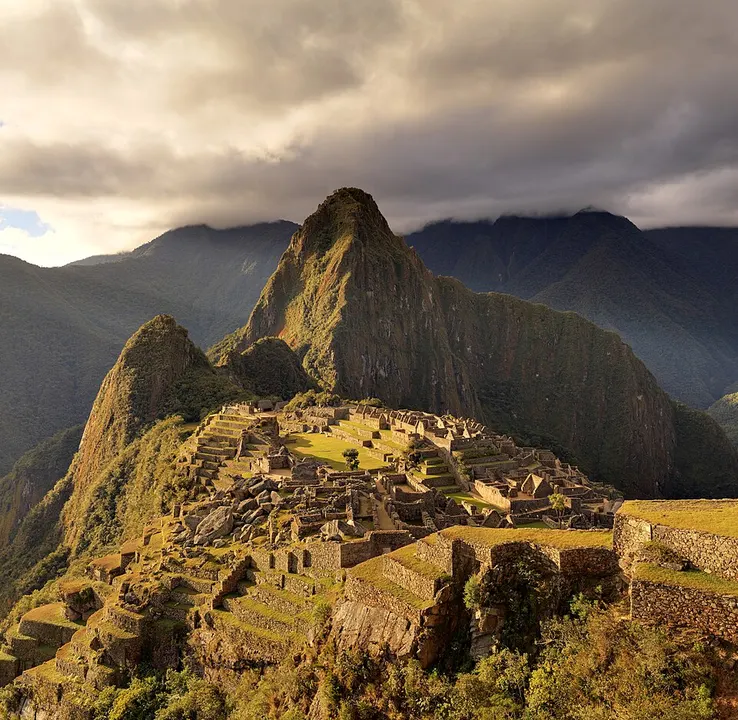
Photo: Martin St-Amant (S23678), CC BY-SA 3.0, via Wikimedia Commons - Aztec
- Maya
- Inca
- Olmec
Answer: Inca. The Inca built Machu Picchu in the 15th century, high in the Andes. The Aztecs and Maya lived much further north, in Mexico and Central America.
The French Revolution is usually dated from the storming of the Bastille in which year?
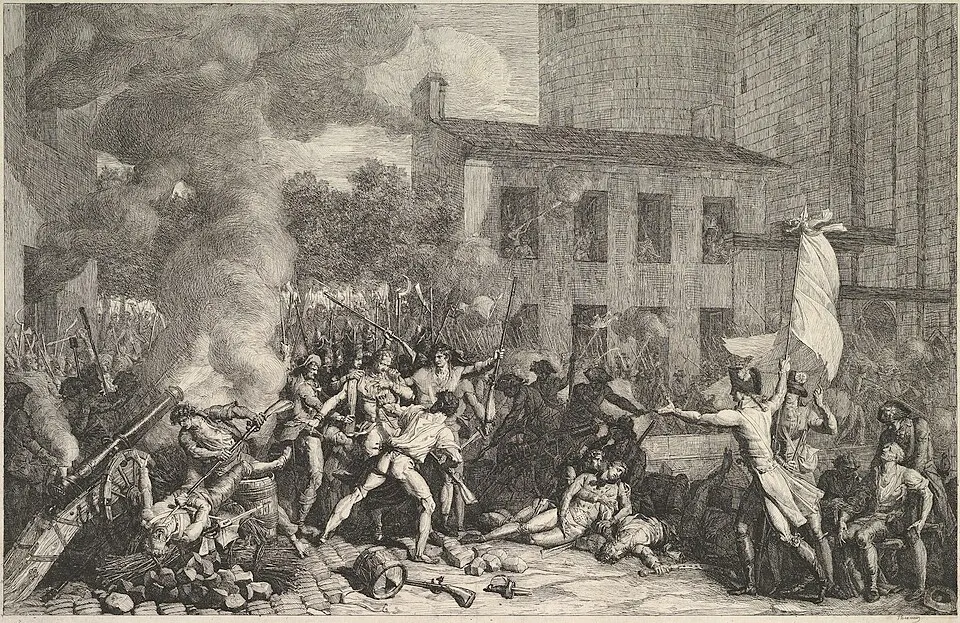
Photo: Charles Thévenin, Public domain, via Wikimedia Commons - 1776
- 1789
- 1815
- 1848
Answer: 1789. Crowds stormed the Bastille prison in Paris on 14 July 1789, now France's national day. 1776 is the US Declaration of Independence and 1815 the Battle of Waterloo.
In the First Battle of Panipat (1526), Babur defeated which ruler?
- Ibrahim Lodi
- Rana Sanga
- Hemu
- Sher Shah Suri
Answer: Ibrahim Lodi. Babur's victory over Ibrahim Lodi, the last Delhi Sultan, founded the Mughal Empire. He beat Rana Sanga a year later at Khanwa, and Hemu lost the Second Battle of Panipat in 1556.
In 1922, Howard Carter found the nearly intact tomb of which Egyptian pharaoh?
- Ramesses II
- Khufu
- Cleopatra
- Tutankhamun
Answer: Tutankhamun. Tutankhamun's tomb in the Valley of the Kings was packed with treasures, including the famous gold mask. Most royal tombs had been robbed in ancient times, which made this find unique.
In which year did the Berlin Wall fall?
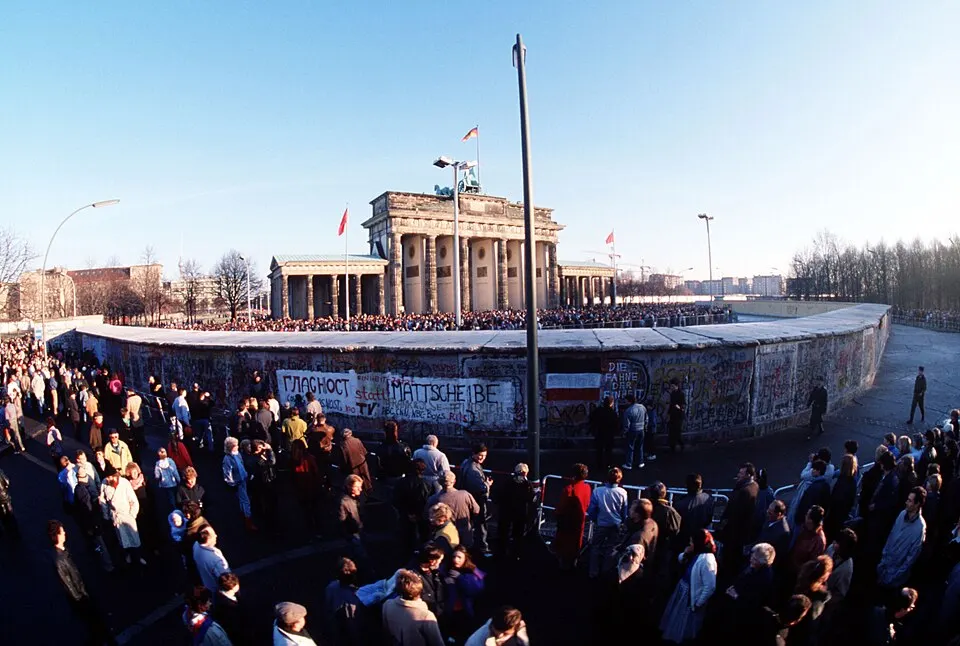
Photo: SSGT F. Lee Corkran, Public domain, via Wikimedia Commons - 1961
- 1975
- 1989
- 1991
Answer: 1989. The border opened on 9 November 1989, and Germany reunified in 1990. The wall had gone up in 1961, and the Soviet Union broke up in 1991.
The 'Great Bath' was discovered at which Harappan (Indus Valley) site?
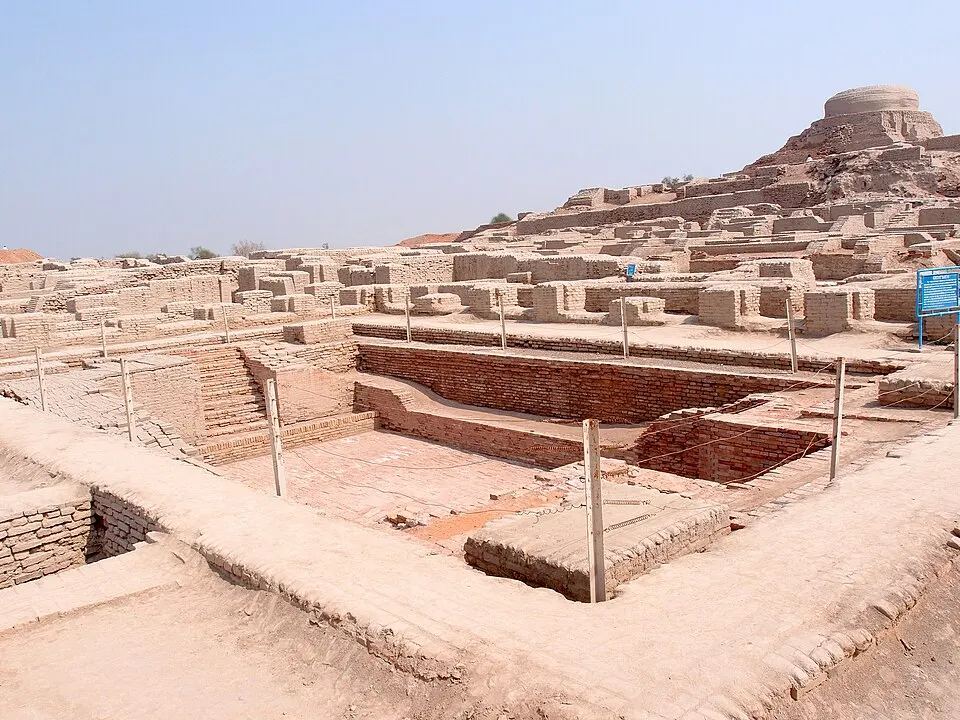
Photo: Saqib Qayyum, CC BY-SA 3.0, via Wikimedia Commons - Lothal
- Harappa
- Kalibangan
- Mohenjo-daro
Answer: Mohenjo-daro. Mohenjo-daro, in present-day Sindh, Pakistan, has the Great Bath, a large brick-lined pool probably used for ritual bathing. Lothal in Gujarat is known for its dockyard.
Who was the only woman to rule the Delhi Sultanate?
- Razia Sultan
- Chand Bibi
- Rani Durgavati
- Nur Jahan
Answer: Razia Sultan. Razia, daughter of Iltutmish, ruled from 1236 to 1240. Nur Jahan was a powerful Mughal empress, but she ruled through her husband Jahangir, not in her own name.
Which English king agreed to the Magna Carta in 1215?
- Henry VIII
- Richard I
- John
- Edward I
Answer: John. Rebel barons forced King John to accept the Magna Carta at Runnymede. It established that even the king was subject to the law, an idea that shaped later constitutions.
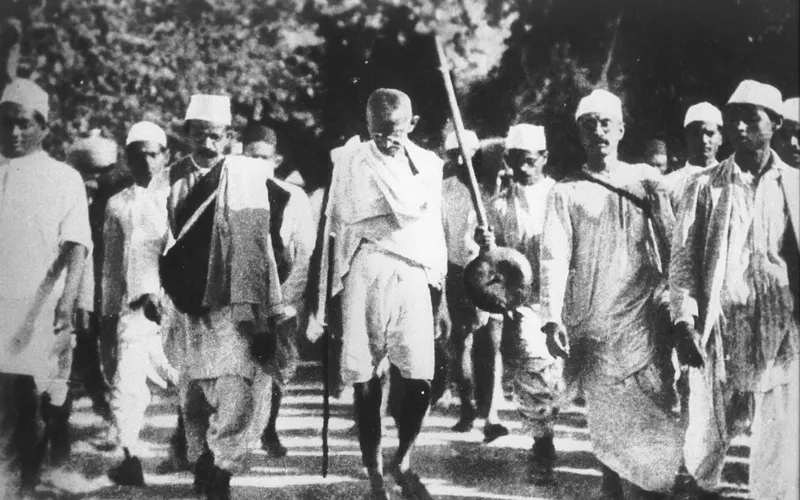
Gandhi's Dandi March of 1930 was a protest against a tax on what?
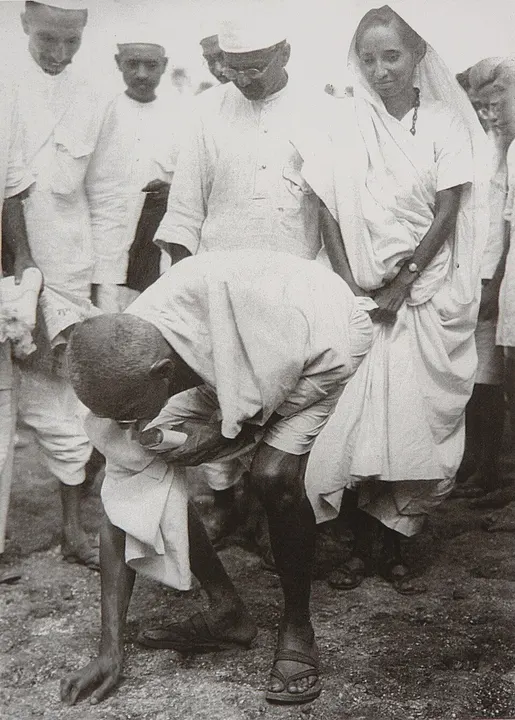
Photo: Unknown authorUnknown author, Public domain, via Wikimedia Commons - Cotton
- Salt
- Land
- Tea
Answer: Salt. Gandhi walked about 387 km (240 miles) from Sabarmati Ashram to Dandi and made salt from seawater on 6 April 1930, breaking the British salt law. It launched the Civil Disobedience Movement.
Krishnadevaraya was the most celebrated ruler of which empire?
- Chola
- Vijayanagara
- Maratha
- Pala
Answer: Vijayanagara. Krishnadevaraya ruled Vijayanagara from 1509 to 1529 from its capital at Hampi, in present-day Karnataka. His court was famed for poets, including Tenali Rama of popular legend.
Which of these rulers was NOT a Mughal emperor?
- Babur
- Humayun
- Sher Shah Suri
- Akbar
Answer: Sher Shah Suri. Sher Shah Suri was an Afghan ruler who defeated Humayun in 1540 and founded the Sur dynasty. He is remembered for his rupiya silver coin and for rebuilding the road later called the Grand Trunk Road.
Which Wonder of the Ancient World stood at Alexandria in Egypt?
- The Hanging Gardens
- The Colossus
- The Mausoleum
- The Lighthouse (Pharos)
Answer: The Lighthouse (Pharos). The Pharos lighthouse was built in the 3rd century BCE and guided ships into Alexandria's harbour for centuries. The Colossus stood at Rhodes, and the Hanging Gardens were said to be in Babylon.
Johannes Gutenberg is famous for which mid-15th-century invention in Europe?
- The telescope
- The printing press with movable type
- The mechanical clock
- The compass
Answer: The printing press with movable type. Gutenberg's press in Mainz made books far cheaper to produce; the Gutenberg Bible dates from the 1450s. Printed books spread ideas fast and helped drive the Renaissance and Reformation.
Who was the last Governor-General of India, and the only Indian to hold the post?
- C. Rajagopalachari
- Lord Mountbatten
- Rajendra Prasad
- Sardar Patel
Answer: C. Rajagopalachari. C. Rajagopalachari succeeded Lord Mountbatten in June 1948. The post was abolished when India became a republic on 26 January 1950 and Rajendra Prasad became the first President.
Frequently asked questions
Where can I find history questions with answers?
This page has 15 history quiz questions with answers and explanations. Play the quiz first, then open the answer key below it to see every correct answer and the reason behind it.
How many questions are in this history quiz?
There are 15 questions covering ancient, medieval and modern history from India and around the world. Most players finish in about four minutes.
Can I play the history quiz online for free without signing up?
Yes. The quiz is completely free and needs no login. You get your score instantly and can share it with friends.
Is this quiz on history good for students?
Yes. It covers topics from school syllabuses, such as the Harappan civilisation, the Mughals, the Dandi March and the French Revolution, and each explanation adds useful context. It works well for classroom warm-ups and GK practice.