
Indian Polity Quiz (Polity MCQs)
This Indian Polity Quiz has 15 MCQs on polity with answers and short explanations. No login, just play, score and compare with friends.
15 questionsMixed (easy → hard)~3 minNo timer
Updated:
If you liked this

Trending today
 Bollywood QuizBollywood
 India GK Question Answer Quiz (Indian GK)General Knowledge
 Cricket World Cup QuizSports
 सामान्य ज्ञान प्रश्न (GK in Hindi Questions)Hindi
 Guess the FlagGeography
 Current Affairs Quiz (October 2026)Current Affairs
 Friends TV Series QuizMovies & TV
 KBC क्विज़ (KBC Hindi Quiz)Hindi
 F1 Quiz (Formula 1)Sports
 Naruto QuizAnime & Games
About this Indian Polity quiz
This set of MCQs on polity tests how well you know the working rules of the Indian Constitution: Fundamental Rights and Directive Principles, writs, emergency provisions, Money Bills, Parliament's sessions and quorum, panchayats, and the landmark basic structure case. The 15 questions move from easy to hard, so it works as a quick polity quiz for school and college students and as a revision round for anyone preparing for UPSC, state PSC, SSC or banking exams.
Most questions are built the way exams frame them: an Article number, a Part or Schedule, or the official who has the final say. Every polity MCQ comes with a short explanation that names the Article behind the answer, so you learn the reason as well as the option. Play once for a score, then open the answer key below to revise all 15 questions with answers. If you want chapter-wise practice, note which areas you missed, such as Parliament, the executive or emergencies, and go back to that chapter of your textbook.
Did you know? A Financial Emergency under Article 360 is one of the three emergencies the Constitution provides for, yet it has never once been proclaimed since 1950.
Indian Polity questions with answers
Show answers
Which Article of the Constitution guarantees equality before the law and equal protection of the laws?
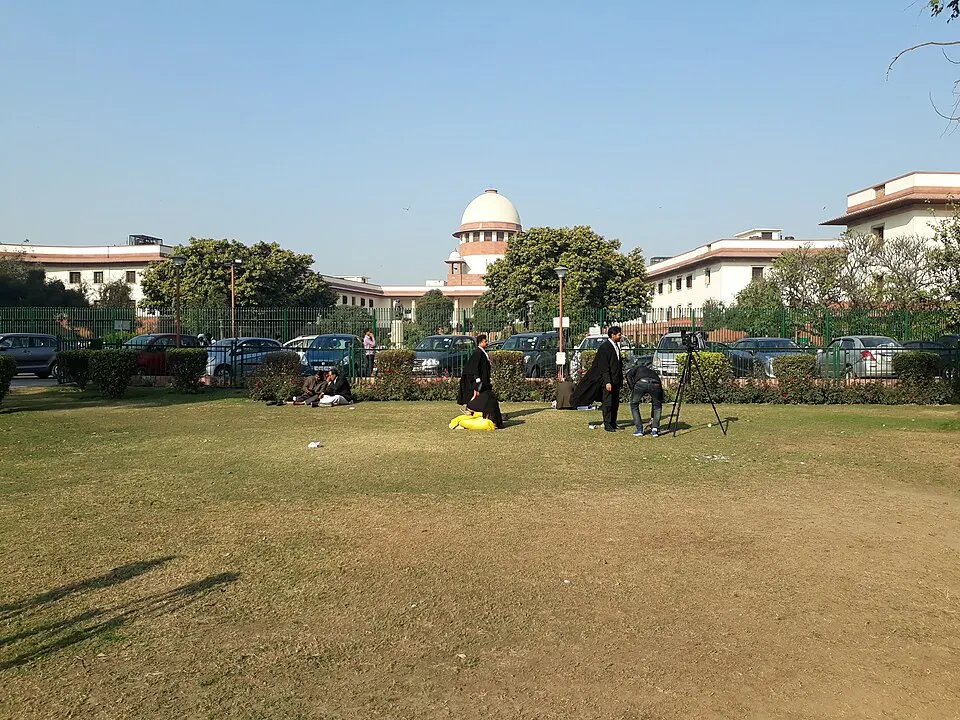
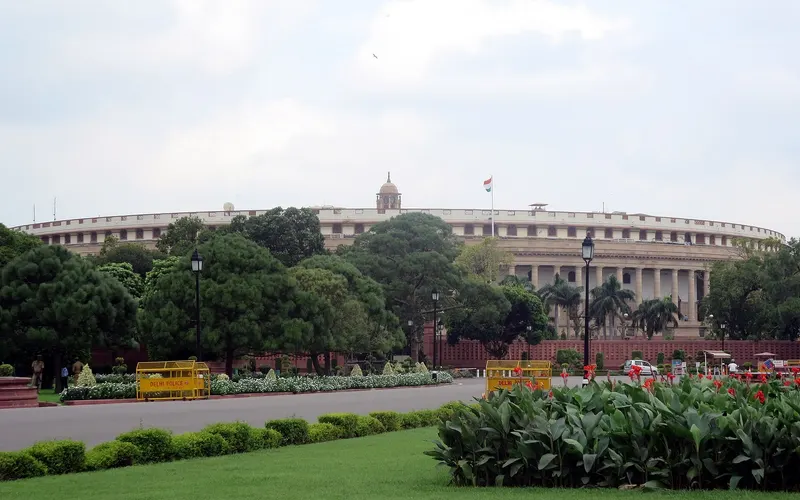
Photo: Pinakpani, CC BY-SA 4.0, via Wikimedia Commons - Article 14
- Article 19
- Article 21
- Article 32
Answer: Article 14. Article 14 opens the Right to Equality. Article 19 covers freedoms, Article 21 life and liberty, and Article 32 constitutional remedies.
Subjects on which both Parliament and state legislatures can make laws are listed in which list of the Seventh Schedule?
- Union List
- State List
- Concurrent List
- Residuary List
Answer: Concurrent List. The Concurrent List (List III) covers shared subjects such as education and forests. If a central and a state law clash, the central law usually prevails.
Which writ, whose name literally means "we command", orders a public official to perform a duty they have failed to do?
- Habeas corpus
- Mandamus
- Certiorari
- Quo warranto
Answer: Mandamus. Mandamus means "we command". Habeas corpus means "to have the body", and quo warranto asks "by what authority" someone holds an office.
Who administers the oath of office to the President of India?
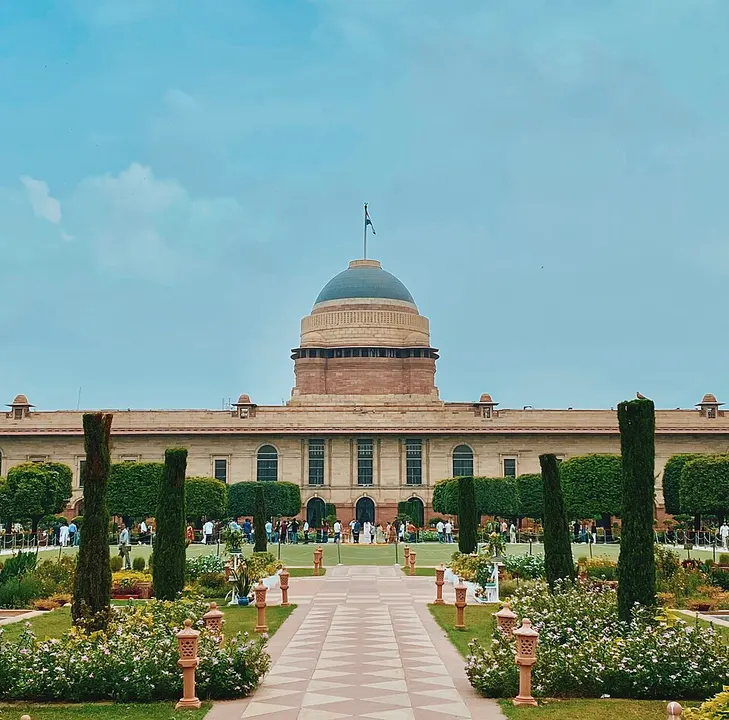
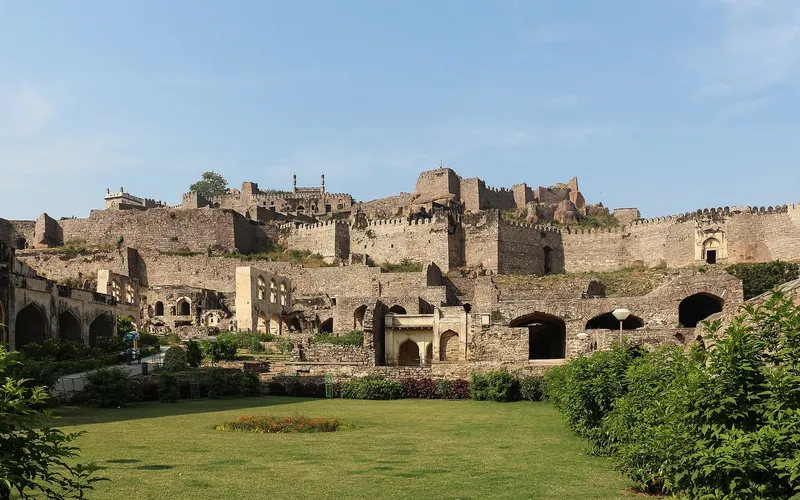
Photo: Tamjeed Ahmed, CC BY-SA 4.0, via Wikimedia Commons - The Vice-President
- The Speaker of the Lok Sabha
- The Prime Minister
- The Chief Justice of India
Answer: The Chief Justice of India. Under Article 60 the Chief Justice of India administers the oath. In the CJI's absence, the senior-most available Supreme Court judge does it.
The Directive Principles of State Policy are contained in which Part of the Constitution?
- Part III
- Part IV
- Part IVA
- Part V
Answer: Part IV. Part IV (Articles 36 to 51) holds the Directive Principles. Part III has the Fundamental Rights and Part IVA the Fundamental Duties.
President's Rule in a state, after the failure of its constitutional machinery, is imposed under which Article?
- Article 352
- Article 360
- Article 356
- Article 370
Answer: Article 356. Article 356 deals with state emergency. Article 352 is for a National Emergency and Article 360 for a Financial Emergency.
If a dispute arises over whether a bill is a Money Bill, whose decision is final?
- The President
- The Chairman of the Rajya Sabha
- The Speaker of the Lok Sabha
- The Finance Minister
Answer: The Speaker of the Lok Sabha. Article 110(3) makes the Speaker's decision final, and the Speaker certifies the bill as a Money Bill before it goes to the Rajya Sabha.
Within how many days must the Rajya Sabha return a Money Bill, after which it is deemed passed by both Houses?
- 14 days
- 30 days
- 60 days
- 6 months
Answer: 14 days. Under Article 109 the Rajya Sabha can only recommend changes within 14 days. The Lok Sabha may accept or reject those recommendations.
Which type of emergency provided for in the Constitution has never been proclaimed in India?
- National Emergency
- President's Rule in a state
- Emergency on grounds of external aggression
- Financial Emergency
Answer: Financial Emergency. A Financial Emergency under Article 360 has never been declared. National Emergencies were proclaimed in 1962, 1971 and 1975.
In which 1973 case did the Supreme Court hold that Parliament cannot alter the "basic structure" of the Constitution?
- Golaknath case
- Kesavananda Bharati case
- Minerva Mills case
- Maneka Gandhi case
Answer: Kesavananda Bharati case. A 13-judge bench gave the basic structure doctrine in Kesavananda Bharati (1973). Minerva Mills (1980) later reaffirmed it.
The 73rd Amendment, which gave constitutional status to panchayats, added which Schedule listing their 29 subjects?
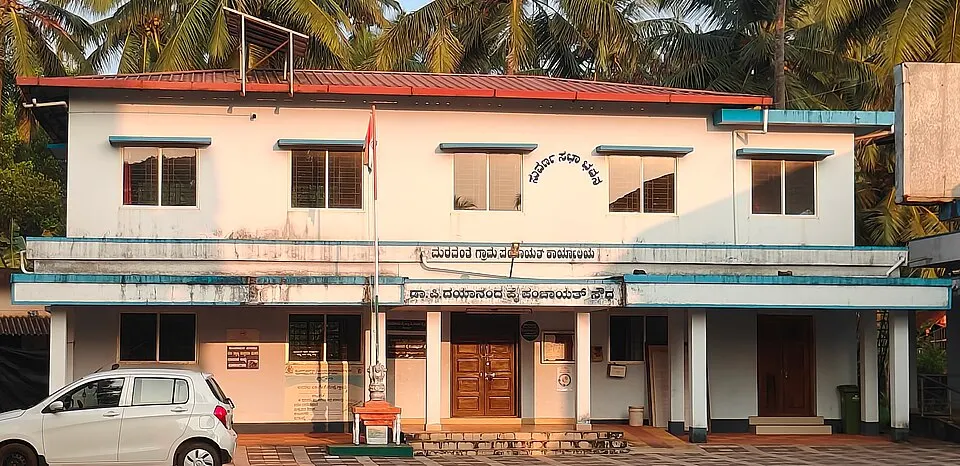
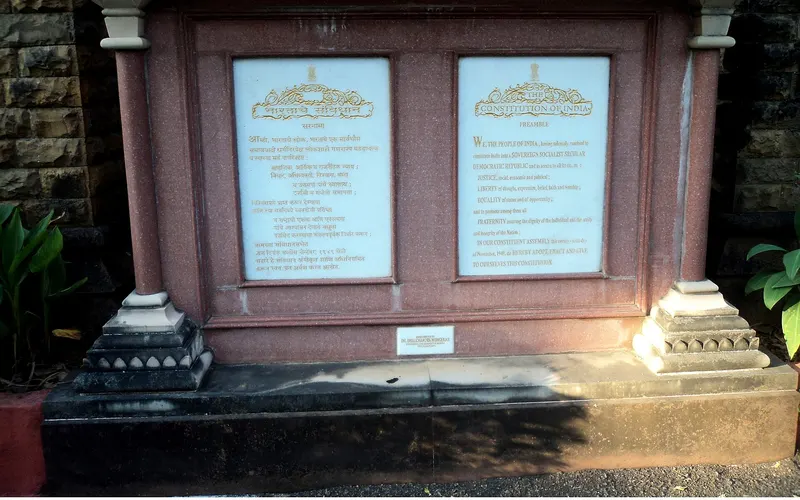
Photo: Rohan Pinto, CC BY-SA 4.0, via Wikimedia Commons - Ninth Schedule
- Tenth Schedule
- Eleventh Schedule
- Twelfth Schedule
Answer: Eleventh Schedule. The 73rd Amendment (1992) added the Eleventh Schedule. The 74th Amendment added the Twelfth Schedule for municipalities.
Which official is not a member of Parliament but can speak in either House, though without the right to vote?
- Attorney General of India
- Comptroller and Auditor General
- Chief Election Commissioner
- Cabinet Secretary
Answer: Attorney General of India. Article 88 lets the Attorney General, India's top law officer, take part in proceedings of both Houses and their committees, but not vote.
What is the maximum gap the Constitution allows between two sessions of Parliament?
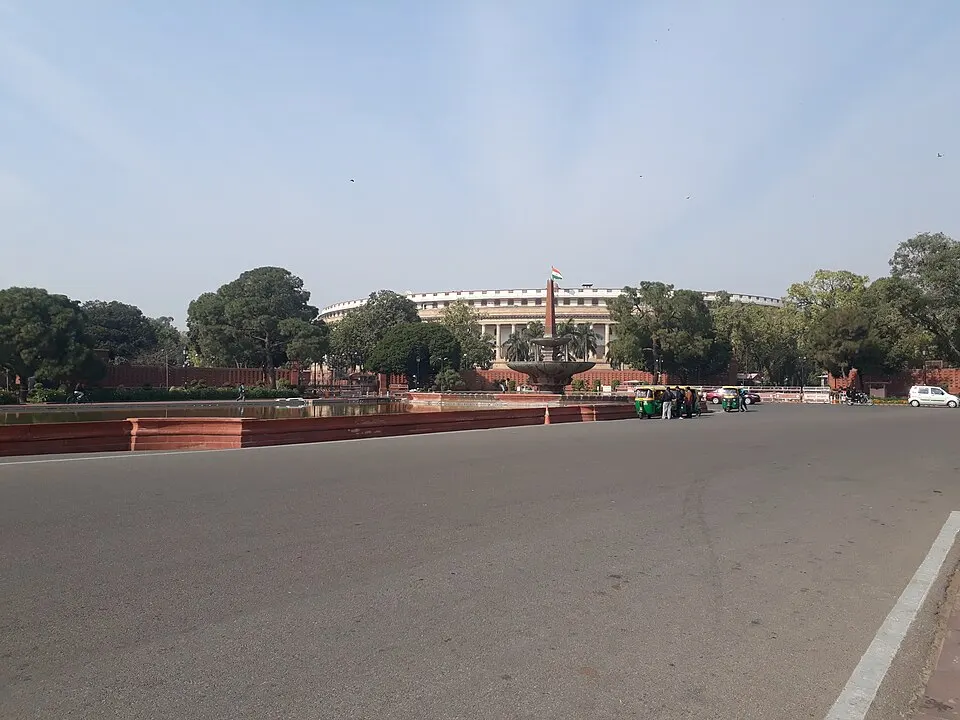
Photo: Pinakpani, CC BY-SA 4.0, via Wikimedia Commons - Three months
- Four months
- One year
- Six months
Answer: Six months. Article 85 says six months must not pass between the last sitting of one session and the first sitting of the next, so Parliament meets at least twice a year.
What is the quorum needed for a sitting of either House of Parliament?
- One-tenth of the total members
- One-fourth of the total members
- One-third of the total members
- Half of the total members
Answer: One-tenth of the total members. Article 100(3) fixes the quorum at one-tenth of the total membership of the House, including the person presiding.
To whom does the Speaker of the Lok Sabha address a letter of resignation?
- The President
- The Prime Minister
- The Deputy Speaker
- The Chief Justice of India
Answer: The Deputy Speaker. Under Article 94 the Speaker writes to the Deputy Speaker, and the Deputy Speaker resigns by writing to the Speaker.
Frequently asked questions
Where can I find Indian Polity questions with answers?
Right on this page. Below the quiz, the answer key lists all 15 polity questions with the correct option and an explanation that cites the relevant Article, Part or Schedule of the Constitution.
Is this Indian Polity quiz useful for competitive exams?
Yes. The topics, such as Money Bills, writs, emergencies, quorum and the basic structure doctrine, come up often in polity MCQ sections of UPSC prelims, state PSC and SSC papers. Use it as a quick check, then revise the chapters where you went wrong.
How many questions are in this Indian Polity quiz?
There are 15 multiple-choice questions with four options each. They start with basics like Article 14 and the Concurrent List and build up to harder ones on Parliament's procedure.
Can I play the Indian Polity quiz online for free without signing up?
Yes. The quiz is free, needs no login and shows your score instantly. You can share your result with friends or study partners from the results screen.