
Save Every Drop: Our Planet Quiz
This environment quiz for students puts water, waste and clean air in the spotlight. Fifteen questions for eco clubs, Earth Day and World Water Day on how our planet works and how we can protect it.
15 questionsMedium~3 minNo timer
Updated:
If you liked this

Trending today
 Bollywood QuizBollywood
 India GK Question Answer Quiz (Indian GK)General Knowledge
 Cricket World Cup QuizSports
 सामान्य ज्ञान प्रश्न (GK in Hindi Questions)Hindi
 Guess the FlagGeography
 Current Affairs Quiz (October 2026)Current Affairs
 Friends TV Series QuizMovies & TV
 KBC क्विज़ (KBC Hindi Quiz)Hindi
 F1 Quiz (Formula 1)Sports
 Naruto QuizAnime & Games
About this Environment quiz
This environment quiz is a 15-question round for students in Classes 5 to 9, built for eco clubs, Earth Day, World Environment Day and World Water Day. It covers where Earth's water is, how rain refills the ground, the gases that pollute our air, what happens to rubbish that reaches the sea and simple ways to waste less at home and at school.
The questions mix science from NCERT chapters on water, air and waste with real Indian stories, from the women of the Chipko movement to village check dams and some of the world's biggest solar parks. Each answer comes with a short explanation, so students learn why a fact matters, not just what it is. Teachers can use it as a lesson starter, a morning assembly quiz or a quick contest between houses.
Only a small share of Earth's water is fresh and easy to reach, and every drop we waste had to be pumped, cleaned or carried. Saving water, keeping rivers clean and throwing away less all add up. Play once, read the notes, then take one idea home and try it.
Environment questions with answers
Show answers
Seen from space, Earth looks blue. About how much of its surface is covered by water?
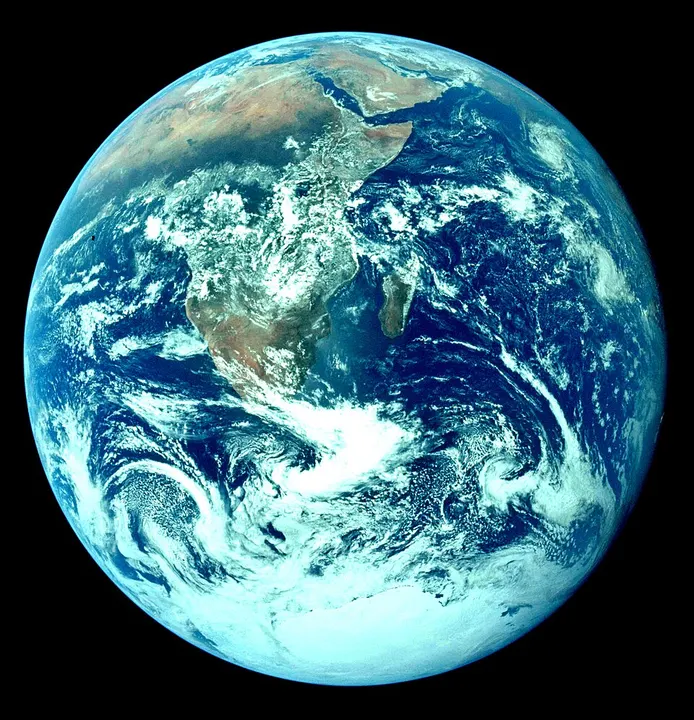
Photo: The photo was taken by the crew of Apollo 17 on their way to the Moon. Antarctic, Public domain, via Wikimedia Commons - About 51%
- About 61%
- About 71%
- About 81%
Answer: About 71%. About 71% of the surface is water, almost all of it salty ocean. Only a tiny share is fresh water we can use.
Catching rain from your school roof and storing it in a tank is called what?
- Evaporation
- Rainwater harvesting
- Irrigation
- Desalination
Answer: Rainwater harvesting. It saves tap water, and water led into recharge pits refills the ground below.
Leave out the ice caps and glaciers. Where is most of the planet's remaining fresh water hidden?
- In rivers
- In lakes
- In clouds
- Underground
Answer: Underground. USGS figures put about 30% of all fresh water underground, against about 1% in lakes, rivers and swamps. Wells and handpumps tap it.
Cow dung and kitchen scraps rotting in a sealed tank give off a gas you can cook on. What is it called?
- LPG
- Biogas
- Hydrogen
- Ozone
Answer: Biogas. Microbes break the waste down without air and release biogas, which is mostly methane. The leftover slurry makes good manure.
Coal-burning power stations like this one give off sulphur dioxide. What can that gas lead to once it mixes with clouds?
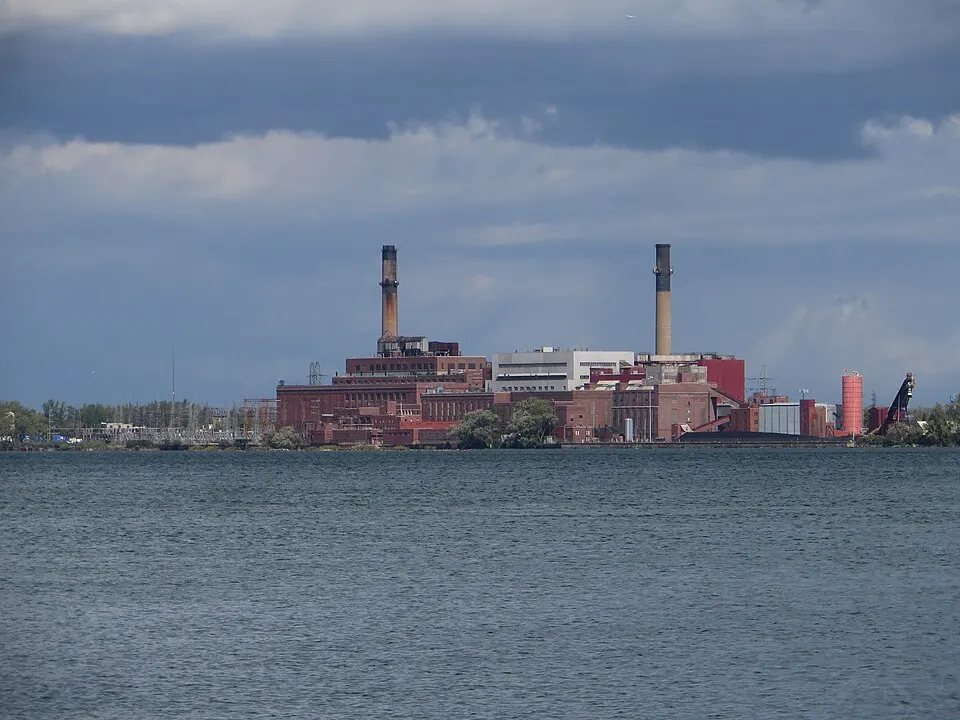
Photo: Ken Lund from Reno, Nevada, USA, CC BY-SA 2.0, via Wikimedia Commons - Acid rain
- Hailstorms
- Rainbows
- Earthquakes
Answer: Acid rain. Sulphur dioxide and nitrogen oxides react with water in the air to form acids. Acid rain harms lakes, forests and even marble buildings.
The Great Pacific Garbage Patch is made mostly of what?
- Floating seaweed
- Dead coral
- Tiny bits of plastic
- Spilled oil
Answer: Tiny bits of plastic. NOAA says the patch is mostly microplastics, pieces smaller than 5 mm, like pepper flakes in soup.
The ozone layer high above us blocks most of the Sun's harmful UV rays. An ozone molecule is three atoms of which element?
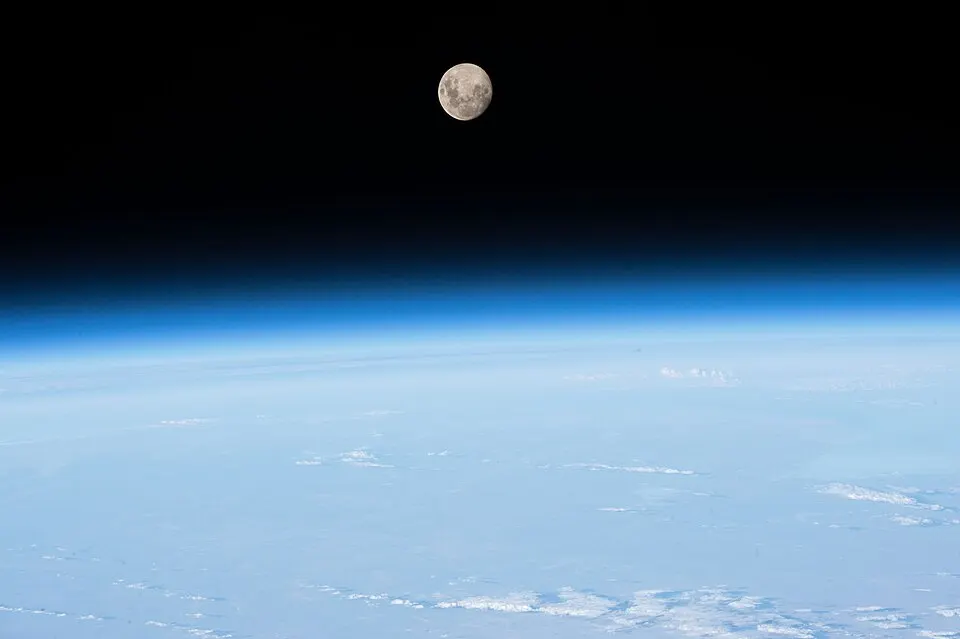
Photo: NASA, Public domain, via Wikimedia Commons - Nitrogen
- Hydrogen
- Carbon
- Oxygen
Answer: Oxygen. Ozone is O3. The oxygen we breathe is O2, two atoms joined together.
In the 1970s, villagers in the Garhwal Himalayas stopped loggers through the Chipko movement. What does the Hindi word 'chipko' mean?
- To shout
- To plant
- To cling to
- To march
Answer: To cling to. Villagers, many of them women, wrapped their arms around the trees so they could not be cut down.
When rain soaks down through the soil to refill the water underground, what is that step called?
- Infiltration
- Condensation
- Evaporation
- Transpiration
Answer: Infiltration. Infiltration is how rain becomes groundwater. Concrete and tar stop it, which is why cities need open soil and recharge pits.
Bhadla, where millions of panels turn sunshine into electricity, is one of the biggest solar projects on Earth. In which Indian state is it?
- Karnataka
- Tamil Nadu
- Rajasthan
- Gujarat
Answer: Rajasthan. Bhadla Solar Park sits in the Thar Desert in Jodhpur district, with a capacity of about 2,245 MW.
Called the 'Waterman of India', he helped villages in Alwar bring dry rivers back to life with small earthen dams called johads. Who is he?
- Sunderlal Bahuguna
- Rajendra Singh
- Anna Hazare
- Baba Amte
Answer: Rajendra Singh. Rajendra Singh and his group Tarun Bharat Sangh helped build thousands of johads in Rajasthan. He won the Stockholm Water Prize in 2015.
Across the world, which activity uses the most fresh water taken from rivers, lakes and wells?
- Factories
- Homes
- Power plants
- Farming
Answer: Farming. Agriculture takes about 70% of all freshwater withdrawals, mostly for irrigation, according to FAO data.
Which of these, dropped into the sea, takes the longest to break down?
- Banana peel
- Newspaper
- Cotton glove
- Plastic bottle
Answer: Plastic bottle. NOAA and Woods Hole Sea Grant estimate about 450 years for a plastic bottle, and even then it only breaks into microplastics.
Red worms can turn vegetable peels and leftover food into rich manure. What is this method called?
- Vermicomposting
- Landfilling
- Incineration
- Desalination
Answer: Vermicomposting. Vermi means worm. Red worms eat the waste and leave behind vermicompost, but they can't handle plastic, glass or metal.
Of the three Rs, which one helps the planet most because it stops waste being made at all?
- Recycle
- Reduce
- Reuse
- Burning it for energy
Answer: Reduce. Waste you never create needs no collecting, sorting or processing. Waste hierarchies, such as the US EPA's, rank cutting waste at the source first.
Frequently asked questions
How much of Earth's water is fresh water?
Only about 2.5 to 3% of Earth's water is fresh. The rest is salty seawater, so the fresh water we can use is precious.
When is World Water Day?
World Water Day is observed every year on 22 March. The United Nations uses it to draw attention to safe water and sanitation for everyone.
How can students save water at school and at home?
Turn taps off while brushing or soaping, report leaking taps and pipes, reuse water from washing vegetables to water plants, and use a bucket, not a running hose, to wash bikes and cars.