
Around the World in 15 Questions
This world geography quiz for kids travels across continents, oceans, rivers and mountains in 15 questions, matched to what Classes 5 to 8 learn in geography lessons.
15 questionsMedium~3 minNo timer
Updated:
If you liked this



Trending today
 Bollywood QuizBollywood
 India GK Question Answer Quiz (Indian GK)General Knowledge
 Cricket World Cup QuizSports
 सामान्य ज्ञान प्रश्न (GK in Hindi Questions)Hindi
 Guess the FlagGeography
 Current Affairs Quiz (October 2026)Current Affairs
 Friends TV Series QuizMovies & TV
 KBC क्विज़ (KBC Hindi Quiz)Hindi
 F1 Quiz (Formula 1)Sports
 Naruto QuizAnime & Games
About this World Geography Quiz for Kids quiz
This world geography quiz for kids is a quick tour of the planet for Classes 5 to 8. In 15 questions children visit the longest rivers, the deepest lake, the biggest ocean and the highest mountain, and learn the imaginary lines that help us find our way around a globe.
The questions follow the ideas taught in school geography: continents and oceans, latitudes and longitudes, and the main features of each continent. Many of them add a story, such as how an ocean got its name or what a waterfall's local name means, because a good story helps a fact stick far better than a list does. A few questions connect the world back to India, from the lines of latitude that cross the country to India's own polar research stations.
Teachers can use it as a warm-up before a geography lesson or as a quick revision game, and parents can play it with children at home. Every answer has a short, simple explanation, so children learn something even when they guess wrong.
World Geography Quiz for Kids questions with answers
Show answers
China's giant Three Gorges Dam stands on which river, the longest in Asia?
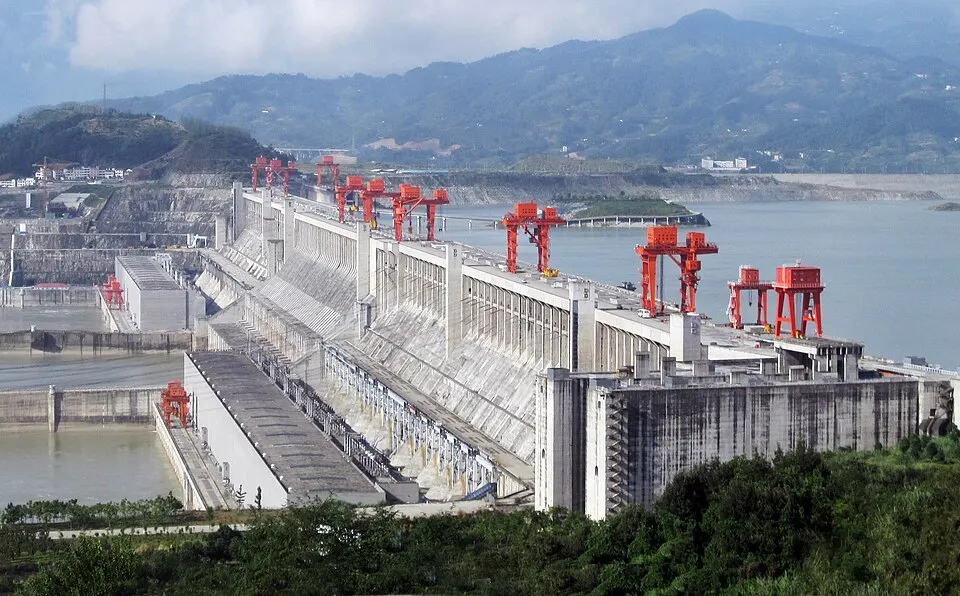
Photo: Source file: Le Grand Portage Derivative work: Rehman, CC BY 2.0, via Wikimedia Commons - Yangtze
- Mekong
- Indus
- Ganga
Answer: Yangtze. China's Yangtze runs about 6,300 km, making it the longest river in Asia and third longest in the world.
Lake Baikal in Russia, seen here from space, is home to the nerpa. What kind of animal is it?
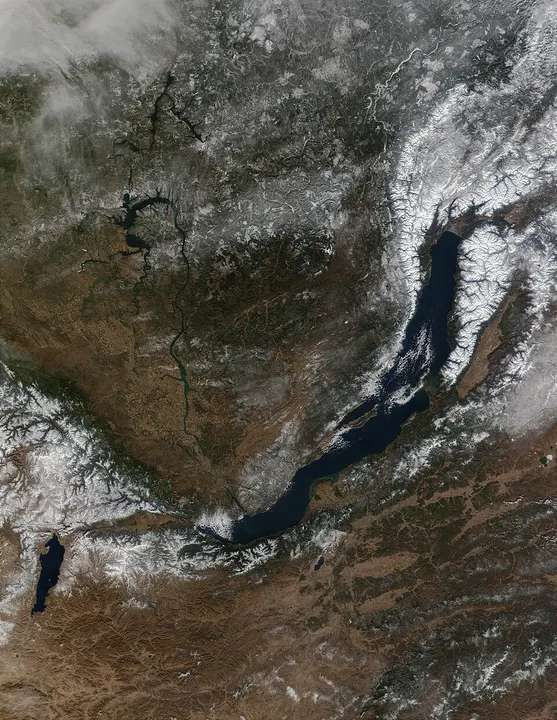
Photo: Jacques Descloitres, MODIS Land Rapid Response Team, NASA/GSFC, Public domain, via Wikimedia Commons - A river dolphin
- A freshwater seal
- A giant otter
- A water snake
Answer: A freshwater seal. The nerpa lives only in Baikal and is one of the very few seals that spend their whole lives in fresh water. Baikal is also the world's deepest lake.
Explorer Ferdinand Magellan found this ocean so calm in 1520 that he named it 'peaceful'. Which ocean is it?
- Atlantic
- Indian
- Pacific
- Arctic
Answer: Pacific. Mar Pacífico means 'peaceful sea'. It is the largest ocean, bigger than all the land on Earth put together.
Australia is the smallest continent and has sea on every side. What is it often called?
- An island continent
- A peninsula
- An archipelago
- A subcontinent
Answer: An island continent. Oceans and seas surround it, so it is called an island continent. It lies wholly in the Southern Hemisphere.
The Incas built Machu Picchu high in these mountains. The Andes are on which continent?
- Asia
- North America
- Africa
- South America
Answer: South America. The Andes stretch about 7,000 km down the western side of South America.
The Sahara is almost as big as the whole USA. On which continent is it?
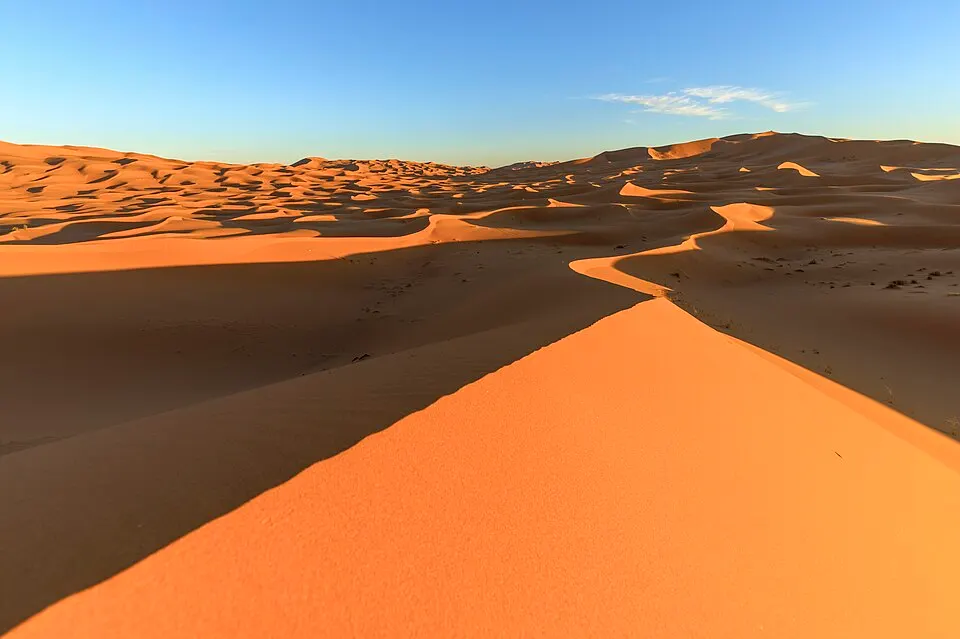
Photo: Thomas Fuhrmann, CC BY-SA 4.0, via Wikimedia Commons - Africa
- Asia
- Australia
- South America
Answer: Africa. The Sahara stretches across much of North Africa.
Mount Everest, seen here, is named after Sir George Everest, a British surveyor. He was once in charge of surveying which country?
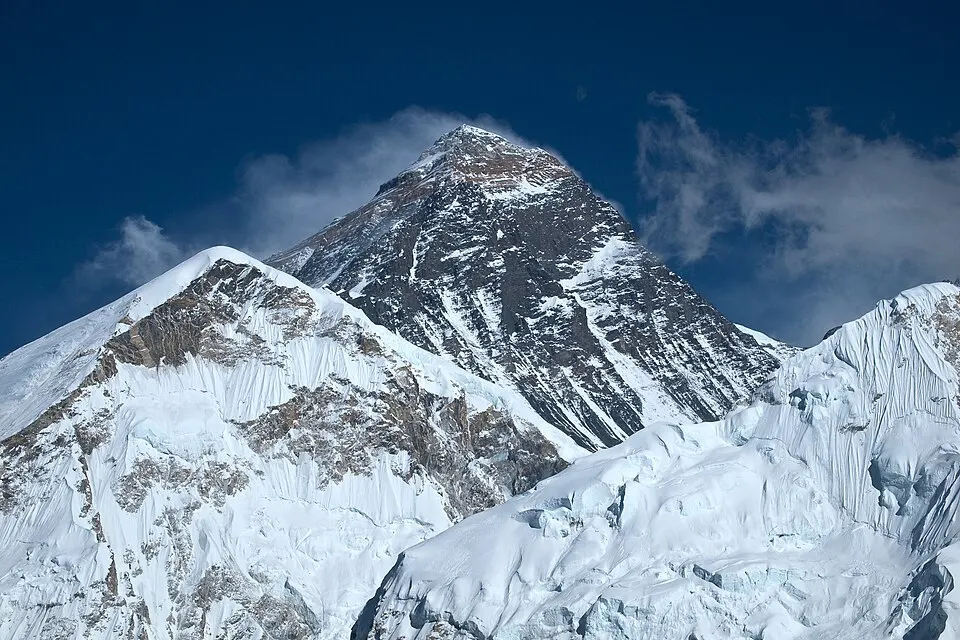
Photo: Vyacheslav Argenberg, CC BY 4.0, via Wikimedia Commons - Nepal
- China
- India
- Bhutan
Answer: India. He was Surveyor General of India. In 1865 the peak, then called Peak XV, was named after him, though he objected. Nepal calls it Sagarmatha.
The muddy river in this rainforest belongs to the Amazon, the river that carries the most water on Earth. Into which ocean does it flow?
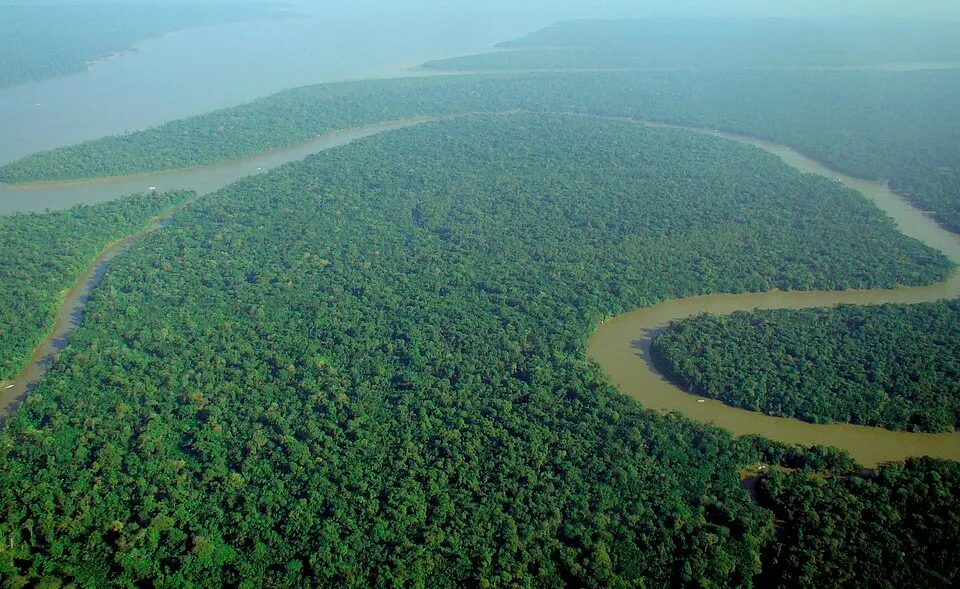
Photo: lubasi, CC BY-SA 2.0, via Wikimedia Commons - Pacific Ocean
- Atlantic Ocean
- Indian Ocean
- Southern Ocean
Answer: Atlantic Ocean. The Amazon crosses South America from the Andes and pours into the Atlantic. About 60% of its rainforest lies in Brazil.
The Equator passes far south of India. Which line of latitude cuts India into two almost equal halves?
- Tropic of Capricorn
- Arctic Circle
- Antarctic Circle
- Tropic of Cancer
Answer: Tropic of Cancer. The Tropic of Cancer, at 23°30′ N, runs through eight states, from Gujarat in the west to Mizoram in the east.
Clocks around the world are set from a line through Greenwich in London. What is this 0° longitude called?
- Arctic Circle
- Equator
- Prime Meridian
- Tropic of Cancer
Answer: Prime Meridian. The Prime Meridian is the starting line for measuring longitude.
The Nile, often called the world's longest river, flows north through Egypt. Into which sea does it empty?
- Mediterranean Sea
- Red Sea
- Arabian Sea
- Black Sea
Answer: Mediterranean Sea. The Nile ends in a wide delta on Egypt's Mediterranean coast, near Alexandria and Cairo.
Victoria Falls, on the border of Zambia and Zimbabwe, has a local name, Mosi-oa-Tunya. What does it mean?
- The river of gold
- The smoke that thunders
- The great white wall
- The singing water
Answer: The smoke that thunders. Its spray rises like smoke and its roar can be heard far away. The falls are on the Zambezi River.
Which ocean surrounds the North Pole and is joined to the Pacific by the narrow Bering Strait?
- Southern Ocean
- Indian Ocean
- Arctic Ocean
- Atlantic Ocean
Answer: Arctic Ocean. The Arctic is the smallest ocean and lies within the Arctic Circle. Much of it stays frozen for most of the year.
India runs research stations called Maitri and Bharati on which continent, where nobody lives permanently?
- Asia
- Australia
- South America
- Antarctica
Answer: Antarctica. Antarctica has no permanent settlements, only scientists who stay at research stations for a season or a year.
At Kanyakumari, the southern tip of mainland India, the Arabian Sea and the Indian Ocean meet which third body of water?
- Andaman Sea
- Bay of Bengal
- Red Sea
- Persian Gulf
Answer: Bay of Bengal. Three waters meet at Kanyakumari, and the town is famous for its sunrise and sunset views over the sea.
Frequently asked questions
How many continents and oceans are there?
There are seven continents: Asia, Africa, North America, South America, Antarctica, Europe and Australia. School geography usually counts five oceans: Pacific, Atlantic, Indian, Southern and Arctic.
What is the difference between latitude and longitude?
Lines of latitude run east to west and measure how far north or south a place is from the Equator. Lines of longitude run from pole to pole and measure how far east or west a place is from the 0° line through Greenwich in London.
Which class is this geography quiz for?
It is written for students in Classes 5 to 8, with simple wording and short explanations. Older students and adults can use it as a quick refresher too.