
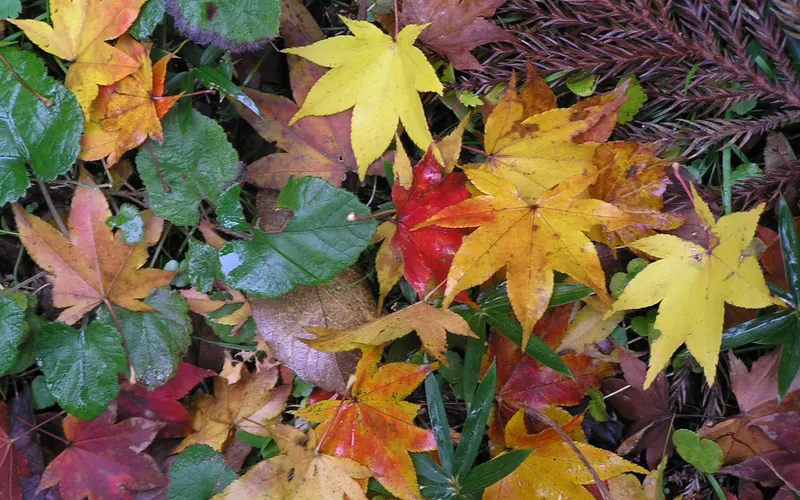
Autumn Trivia
15 questions, one score, zero sign-ups. This Autumn Trivia mixes easy and tricky questions, and every answer comes with a quick explanation.
15 questionsMixed (easy → hard)~3 minNo timer
Updated:
If you liked this

Trending today
 Bollywood QuizBollywood
 India GK Question Answer Quiz (Indian GK)General Knowledge
 Cricket World Cup QuizSports
 सामान्य ज्ञान प्रश्न (GK in Hindi Questions)Hindi
 Guess the FlagGeography
 Current Affairs Quiz (October 2026)Current Affairs
 Friends TV Series QuizMovies & TV
 KBC क्विज़ (KBC Hindi Quiz)Hindi
 F1 Quiz (Formula 1)Sports
 Naruto QuizAnime & Games
About this Autumn Trivia quiz
This autumn trivia quiz is a celebration of the season of falling leaves, harvest moons and cosy evenings. The 15 questions mix the science of why leaves change colour, the astronomy of the equinox, autumn poetry and festivals from around the world - including a pair of mid autumn festival quiz questions on mooncakes and the Moon goddess Chang'e.
It works well as a warm-up for a pub night, a classroom starter in September or October, or a family game after Sunday lunch. The questions are designed for teens and adults and climb from easy to tricky, so everyone gets a few right before the harder ones arrive. Each answer has a short explanation, and you will find the full set of autumn trivia questions and answers further down the page if you want to run it as a quiz round.
One fact worth remembering: the yellow and orange in autumn leaves is not new at all. Those pigments sit in the leaf all summer, hidden under green chlorophyll; when the chlorophyll breaks down, the colours are simply revealed. The reds are different - many trees make those fresh in autumn. Enjoyed this? Our Halloween quiz is the perfect next stop.
Autumn Trivia questions with answers
Show answers
In American English, autumn is most commonly called what?
- Fall
- Harvest
- Leaf-time
- Midyear
Answer: Fall. "Fall" comes from the older English phrase "the fall of the leaf". Britain kept "autumn", while North America took up "fall".
Trees that shed all their leaves every autumn are called what?
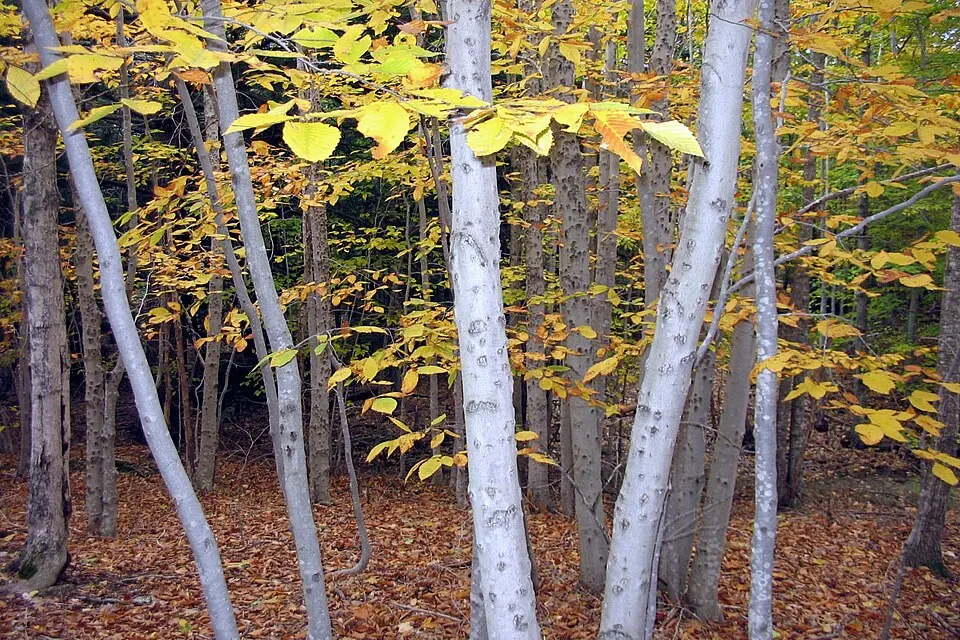
Photo: National Park Service / uncredited derivative work: User:Maps and stuff (cropped, Public domain, via Wikimedia Commons - Evergreen
- Coniferous
- Deciduous
- Perennial
Answer: Deciduous. Deciduous comes from Latin for "falling off". Oaks, maples and teak drop their leaves to save water and energy in the cold or dry season.
In the Northern Hemisphere, astronomical autumn begins with an equinox in which month?
- August
- September
- October
- November
Answer: September. The September equinox, around 22 or 23 September, starts astronomical autumn. Weather forecasters often use 1 September instead.
The word "equinox" comes from Latin. What does it roughly mean?
- Equal night
- Golden sun
- Falling leaf
- Harvest moon
Answer: Equal night. Aequus means equal and nox means night - around the equinox, day and night are roughly the same length everywhere on Earth.
Leaves turn from green to yellow and orange in autumn mainly because which green pigment breaks down?
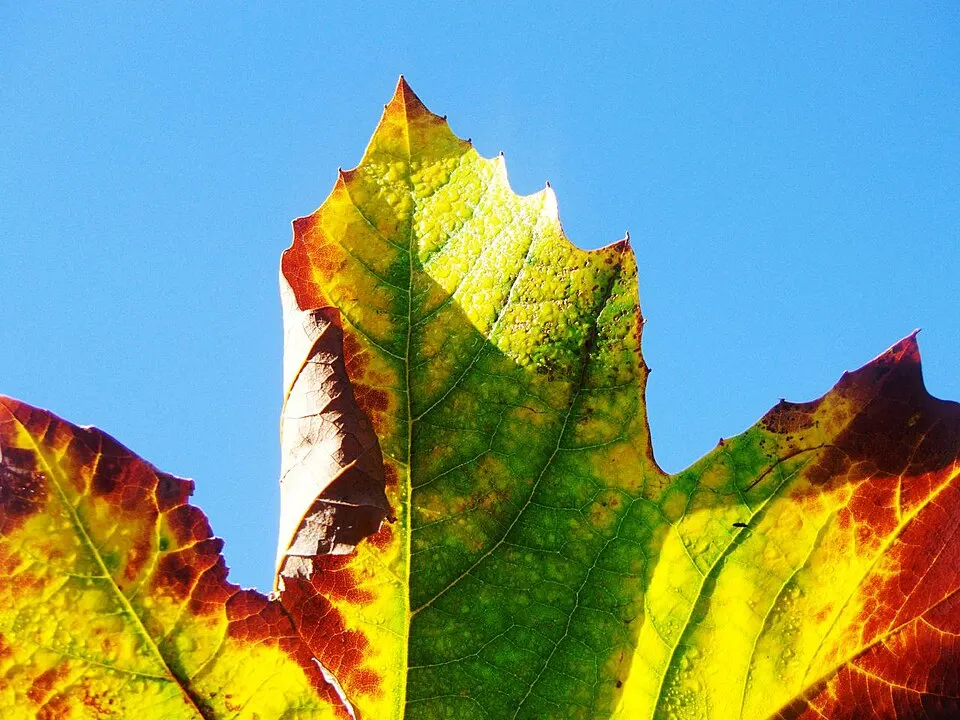
Photo: darwin Bell from San Francisco, USA, CC BY 2.0, via Wikimedia Commons - Melanin
- Haemoglobin
- Chlorophyll
- Keratin
Answer: Chlorophyll. As chlorophyll fades, yellow and orange carotenoids that were in the leaf all along finally show through.
The red and purple shades of autumn leaves come mostly from which pigments, which many trees make fresh in autumn?
- Carotenoids
- Xanthophylls
- Chlorophylls
- Anthocyanins
Answer: Anthocyanins. Anthocyanins are produced as the leaf winds down. Carotenoids and xanthophylls give yellows and oranges and are already present.
What name is given to the full moon closest to the autumn equinox?
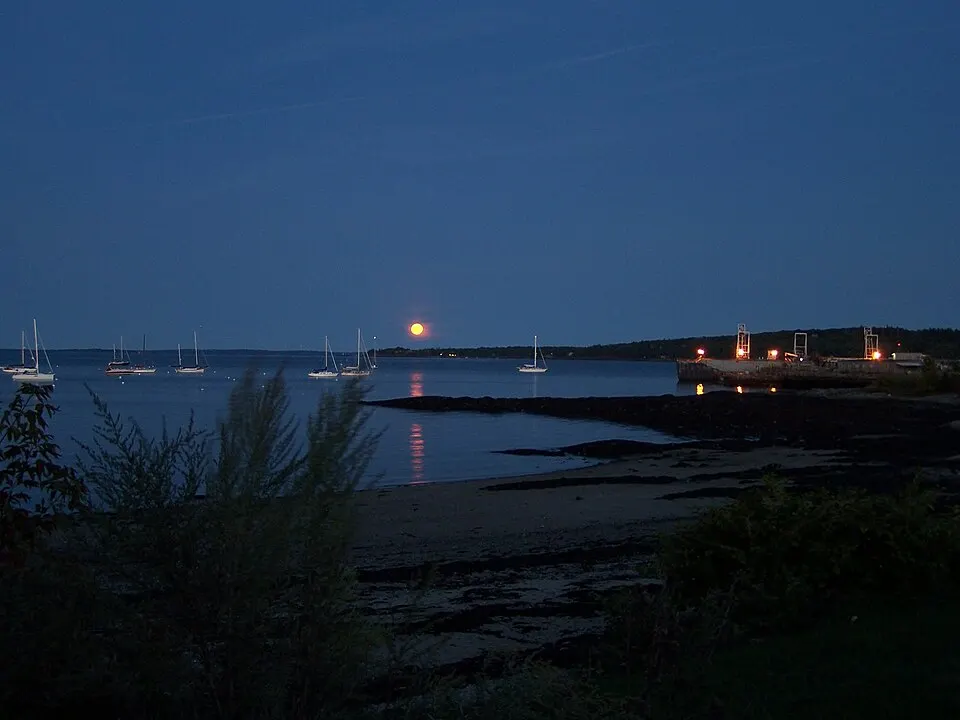
Photo: Crispins C. Crispian, CC BY-SA 4.0, via Wikimedia Commons - Blue Moon
- Harvest Moon
- Wolf Moon
- Pink Moon
Answer: Harvest Moon. The Harvest Moon rises soon after sunset for several nights in a row, which once gave farmers extra light to bring in crops.
Which months make up autumn in Australia?
- March to May
- June to August
- September to November
- December to February
Answer: March to May. The seasons are reversed in the Southern Hemisphere, so Australia's autumn runs from March to May and its Christmas falls in summer.
"Season of mists and mellow fruitfulness" is the opening line of an 1819 poem by which English poet?
- William Blake
- Lord Byron
- John Keats
- Percy Shelley
Answer: John Keats. It opens "To Autumn" by John Keats, written in September 1819 and one of the most quoted poems in English.
Which food is shared with family and friends during the Mid-Autumn Festival?
- Mooncakes
- Dumplings
- Spring rolls
- Fortune cookies
Answer: Mooncakes. Round mooncakes, often filled with lotus-seed or sweet-bean paste, echo the full moon the festival celebrates.
The Mid-Autumn Festival is linked to the legend of Chang'e. Who is she?
- A dragon queen
- The Moon goddess
- A river spirit
- The kitchen god
Answer: The Moon goddess. In Chinese mythology Chang'e drank an elixir of immortality and floated up to live on the Moon. The festival falls on the 15th day of the 8th lunar month.
Bonfire Night on 5 November in the UK remembers the failure of the Gunpowder Plot in which year?

Photo: Editor5807, CC BY 3.0, via Wikimedia Commons - 1588
- 1605
- 1666
- 1715
Answer: 1605. In 1605 Guy Fawkes and fellow plotters tried to blow up the Houses of Parliament. Bonfires and fireworks have marked its failure ever since.
In the traditional Indian calendar of six seasons, which ritu corresponds to autumn?
- Vasant
- Grishma
- Sharad
- Shishir
Answer: Sharad. Sharad ritu is the clear, mild season after the monsoon. Vasant is spring, Grishma is summer and Shishir is the cold late winter.
Canada celebrates Thanksgiving in autumn on which day?
- Fourth Thursday of November
- First Sunday of September
- Last Friday of October
- Second Monday of October
Answer: Second Monday of October. Canadian Thanksgiving is on the second Monday of October, about six weeks earlier than the American holiday in late November.
In Japan, the autumn custom of going out to admire red maple leaves is called what?
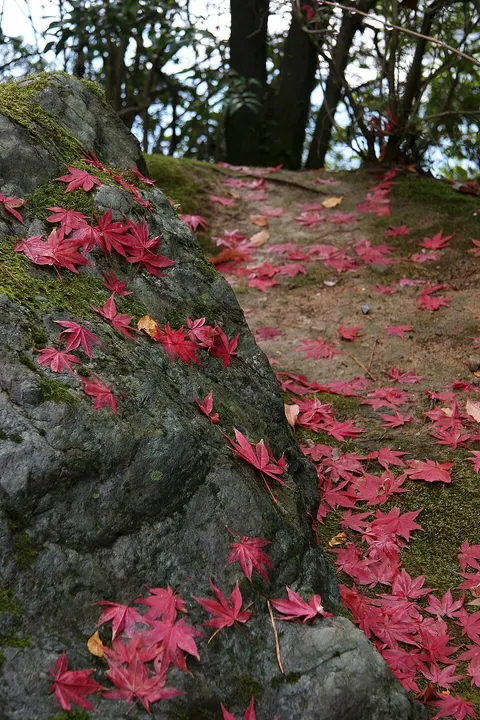
Photo: KimonBerlin, CC BY-SA 2.0, via Wikimedia Commons - Hanami
- Ikebana
- Origami
- Momijigari
Answer: Momijigari. Momijigari literally means "hunting red leaves". Hanami is its spring twin - viewing cherry blossoms.
Frequently asked questions
Where can I find Autumn questions with answers?
Right on this page. Play first to get your score, then open the answer key below for all 15 autumn quiz questions with answers and an explanation for each one. It is ready to read out at a quiz night or in class.
How many questions are in this Autumn quiz?
There are 15 questions, from easy to hard. They cover nature and science, the calendar, poetry, and autumn festivals in China, Japan, India, the UK and Canada. Most players finish in three to four minutes.
Can I play the Autumn quiz online for free without signing up?
Yes. The quiz is free, you do not need an account, and your score appears as soon as you answer the last question. Share it and see if your friends can beat you.
Is this a good autumn quiz for a UK pub or school quiz?
It is. It includes UK favourites like Bonfire Night and Keats alongside world traditions, so it suits mixed groups. Read out the questions, give teams a minute each, and use the explanations to add a fun fact as you reveal the answers.