
Famous Scientists Quiz
This Famous Scientists Quiz has 15 questions on the people behind the big ideas, from Einstein and Marie Curie to C.V. Raman and Kalam, each with a quick explanation.
15 questionsMixed (easy → hard)~3 minNo timer
Updated:
If you liked this

Trending today
 Bollywood QuizBollywood
 India GK Question Answer Quiz (Indian GK)General Knowledge
 Cricket World Cup QuizSports
 सामान्य ज्ञान प्रश्न (GK in Hindi Questions)Hindi
 Guess the FlagGeography
 Current Affairs Quiz (October 2026)Current Affairs
 Friends TV Series QuizMovies & TV
 KBC क्विज़ (KBC Hindi Quiz)Hindi
 F1 Quiz (Formula 1)Sports
 Naruto QuizAnime & Games
About this Famous Scientists quiz
This famous scientists quiz celebrates the people behind the ideas we learn in every science class, from Albert Einstein and Marie Curie to C.V. Raman, Jagadish Chandra Bose and A.P.J. Abdul Kalam. The 15 questions mix world-famous names with great Indian scientists, and they move from easy picks to a few hard ones about particles and stars.
It works well for school and college students preparing for GK rounds, quiz club members, and anyone who enjoys science trivia. Many questions also link a scientist to an invention or discovery, so it doubles as a quiz on scientists and inventions. Every answer comes with a short explanation that adds a date or a story, which makes the facts easier to remember.
Play it once for a score, then open the answer key below to read all the scientists quiz questions and answers together. Teachers can use it as a quick classroom round: read each question aloud, let teams pick an option, and use the explanations to start a short discussion.
A fun fact to take away: Marie Curie is still the only person to have won Nobel Prizes in two different sciences, physics in 1903 and chemistry in 1911. Her daughter Irene Joliot-Curie also went on to win a Nobel Prize in Chemistry.
Famous Scientists questions with answers
Show answers
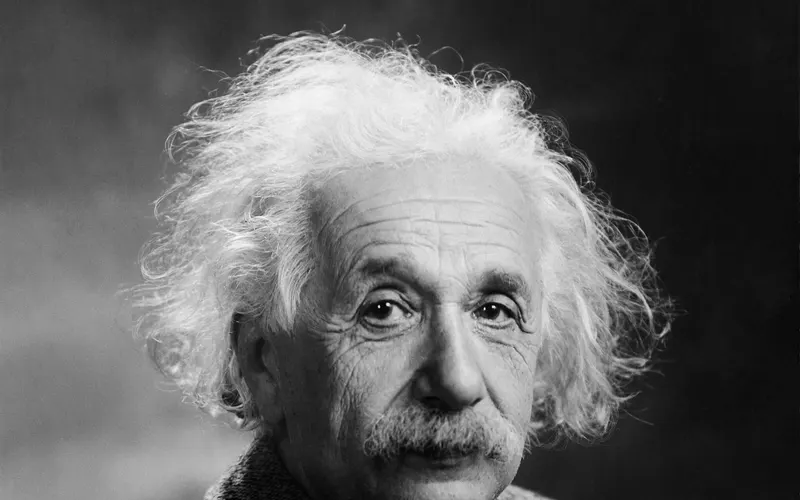
Who is this scientist? Clue: he gave the world the equation E = mc².
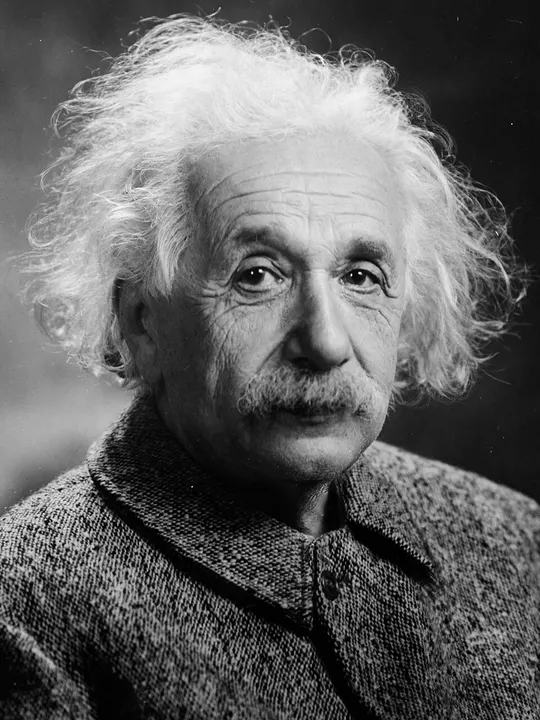
Photo: Photograph by Orren Jack Turner, Princeton, N.J. Modified with Photoshop by PM_P, Public domain, via Wikimedia Commons - Isaac Newton
- Albert Einstein
- Niels Bohr
- Galileo Galilei
Answer: Albert Einstein. Albert Einstein published it in 1905 as part of his special theory of relativity. It shows that mass and energy can be converted into each other.
Who is this scientist? Clue: he discovered penicillin, the first widely used antibiotic, in 1928.
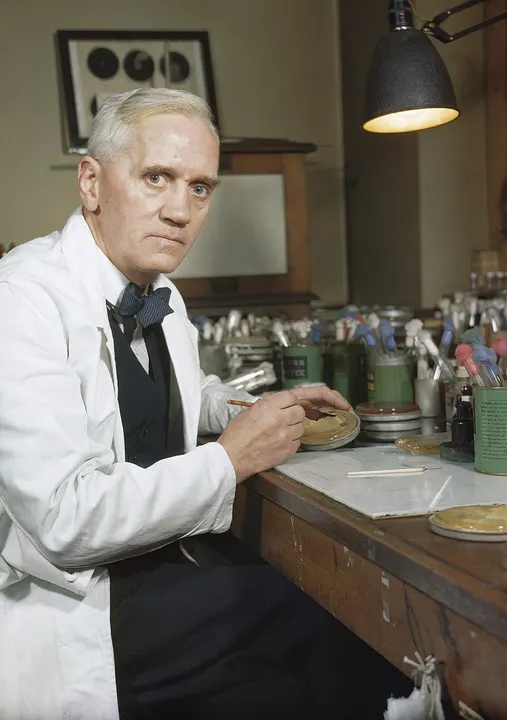
Photo: Official photographer, Public domain, via Wikimedia Commons - Louis Pasteur
- Edward Jenner
- Alexander Fleming
- Joseph Lister
Answer: Alexander Fleming. Alexander Fleming noticed that a Penicillium mould had killed the bacteria growing around it on a culture plate in his London laboratory.
This scientist won Nobel Prizes in two different fields. Which two?
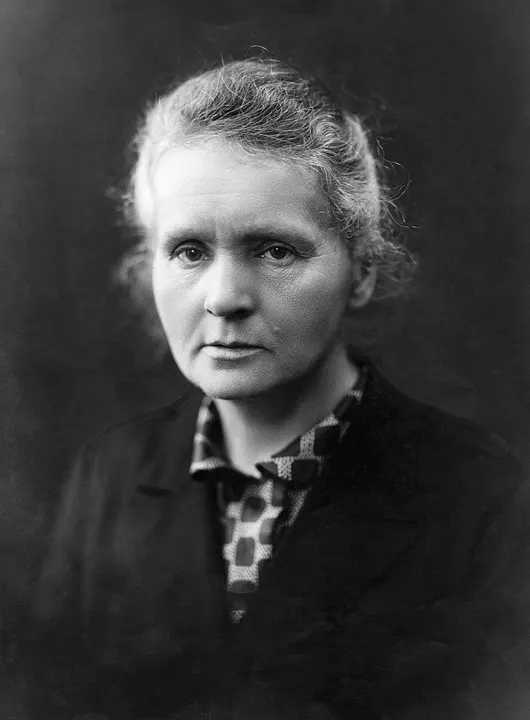
Photo: Henri Manuel, Public domain, via Wikimedia Commons - Physics and Chemistry
- Chemistry and Medicine
- Physics and Peace
- Medicine and Physics
Answer: Physics and Chemistry. She shared the 1903 Physics prize for work on radioactivity and won the 1911 Chemistry prize for discovering polonium and radium.
This Indian physicist discovered an effect named after him in 1928. It is about the scattering of what?
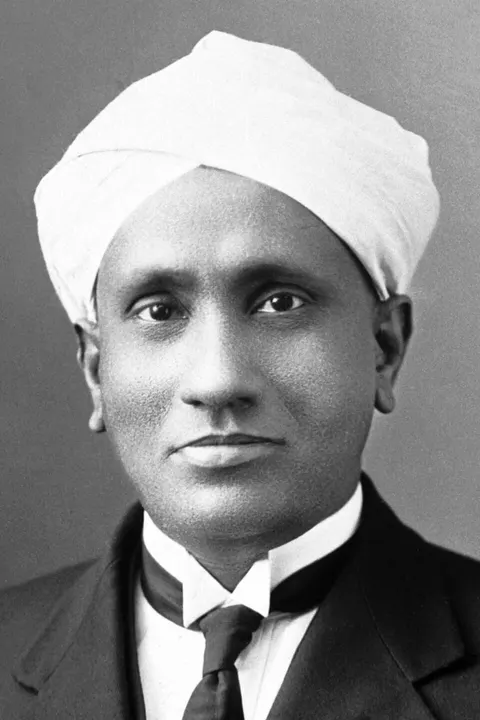
Photo: Nobel Foundation, Public domain, via Wikimedia Commons - Sound
- Light
- Electrons
- Heat
Answer: Light. Raman showed that a small part of the light scattered by molecules comes out with a changed wavelength. It won him the 1930 Nobel Prize in Physics, and India celebrates National Science Day on 28 February to mark the discovery.
Who is this scientist? Clue: his 1859 book set out the theory of evolution by natural selection.
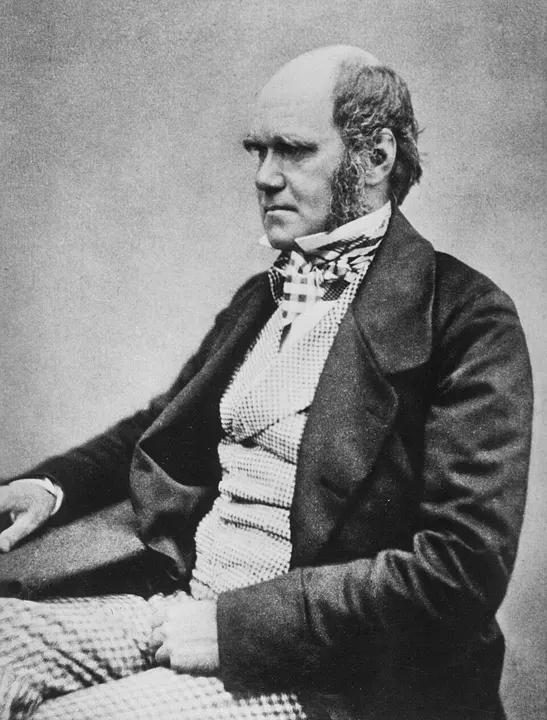
Photo: Public domain, via Wikimedia Commons - Gregor Mendel
- Jean-Baptiste Lamarck
- Charles Darwin
- Carl Linnaeus
Answer: Charles Darwin. Charles Darwin developed the idea after his voyage on HMS Beagle. Alfred Russel Wallace reached a similar idea independently.
Who is this chemist? Clue: he arranged the elements into the first widely accepted periodic table in 1869.
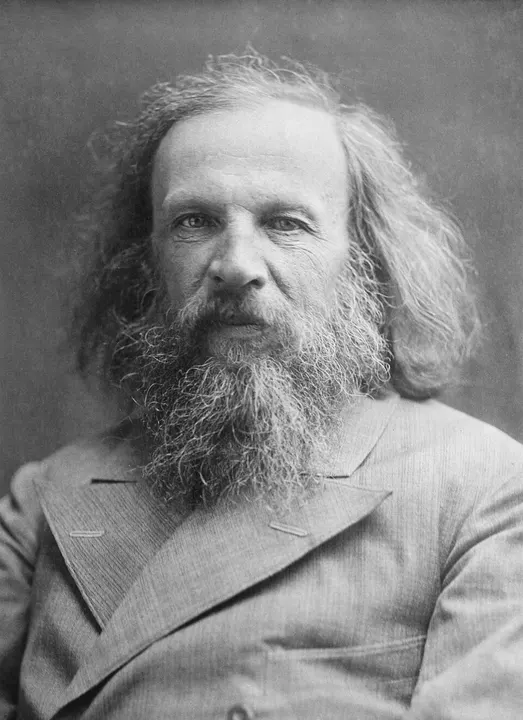
Photo: Original: Unknown authorUnknown author Upload: Germansociety2014, Public domain, via Wikimedia Commons - John Dalton
- Dmitri Mendeleev
- Antoine Lavoisier
- Henry Moseley
Answer: Dmitri Mendeleev. Dmitri Mendeleev even left gaps for undiscovered elements and predicted their properties, which were later confirmed.
Who is this scientist? Clue: the Missile Man of India, who later became President.
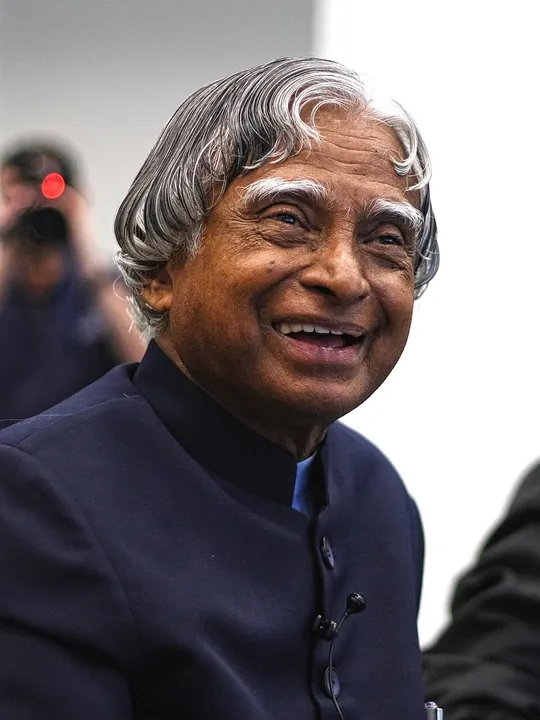
Photo: Lijesh K, CC BY-SA 3.0, via Wikimedia Commons - Vikram Sarabhai
- Homi J. Bhabha
- A.P.J. Abdul Kalam
- Satish Dhawan
Answer: A.P.J. Abdul Kalam. Dr A.P.J. Abdul Kalam led India's missile development programme and served as the 11th President of India from 2002 to 2007.
Who is this scientist? Clue: regarded as the father of the Indian space programme.
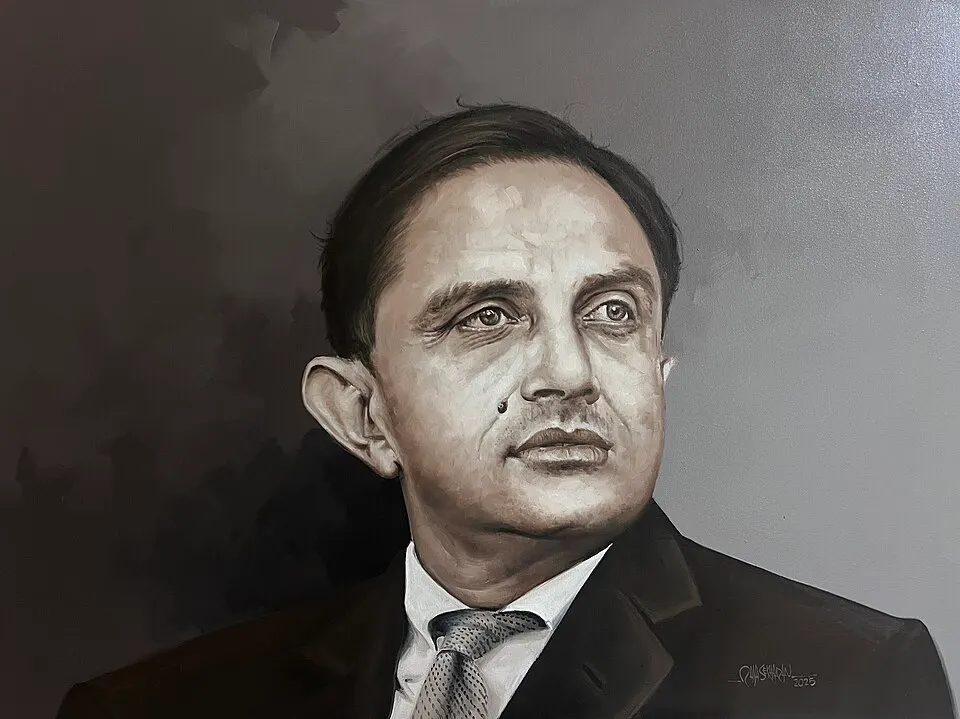
Photo: Rajasekharan Parameswaran, CC BY-SA 4.0, via Wikimedia Commons - Vikram Sarabhai
- C.V. Raman
- Homi J. Bhabha
- Jagadish Chandra Bose
Answer: Vikram Sarabhai. Vikram Sarabhai founded the Indian space research effort in the 1960s, which grew into ISRO in 1969.
This Indian scientist invented an instrument to measure the growth of plants. What is it called?
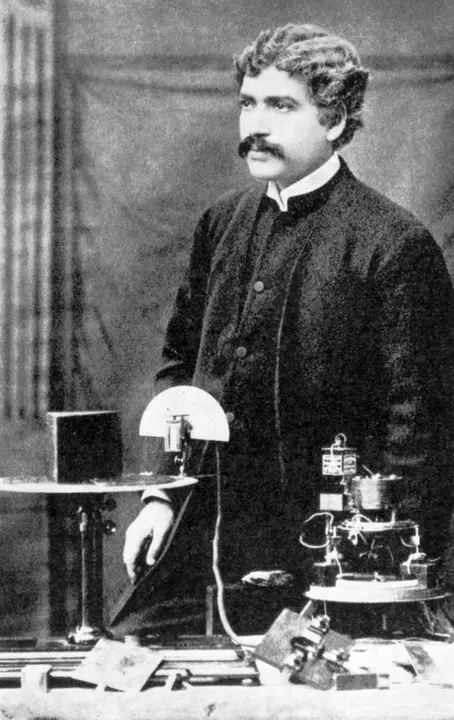
Photo: The Birth Centenary Committee, printed by P.C. Ray, Public domain, via Wikimedia Commons - Crescograph
- Seismograph
- Barometer
- Galvanometer
Answer: Crescograph. Bose's crescograph magnified tiny plant movements thousands of times, helping him show that plants respond to stimuli.
Who is this scientist? Clue: his telescope revealed the four largest moons of Jupiter in 1610.
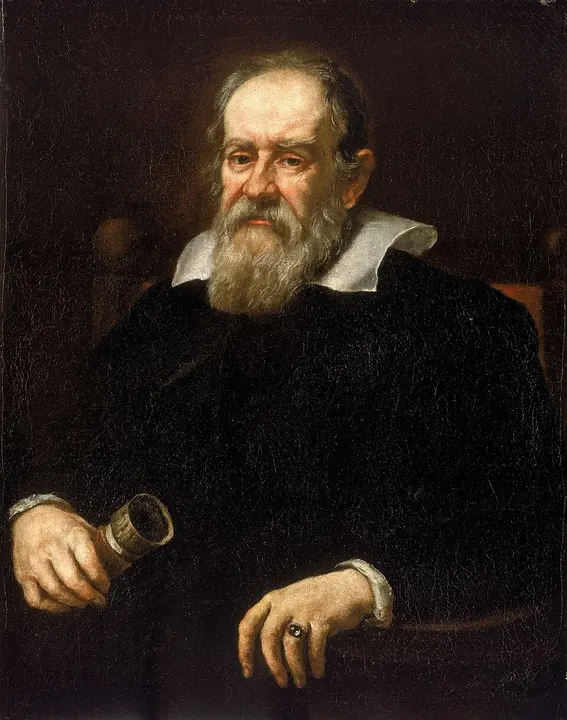
Photo: Justus Sustermans, Public domain, via Wikimedia Commons - Johannes Kepler
- Nicolaus Copernicus
- Tycho Brahe
- Galileo Galilei
Answer: Galileo Galilei. Io, Europa, Ganymede and Callisto are still called the Galilean moons after Galileo Galilei.
Who is this physician? Clue: in 1796 his experiment led to the first vaccine, against smallpox.
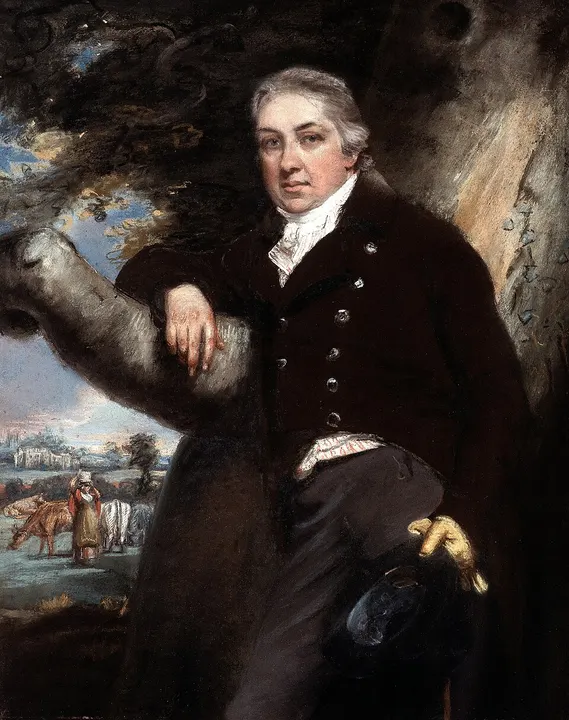
Photo: John Raphael Smith, Public domain, via Wikimedia Commons - Louis Pasteur
- Robert Koch
- Edward Jenner
- Jonas Salk
Answer: Edward Jenner. Edward Jenner used material from a cowpox sore to protect a boy from smallpox. The word vaccine comes from the Latin vacca, meaning cow.
In 1897 this physicist discovered a tiny subatomic particle. Which one?
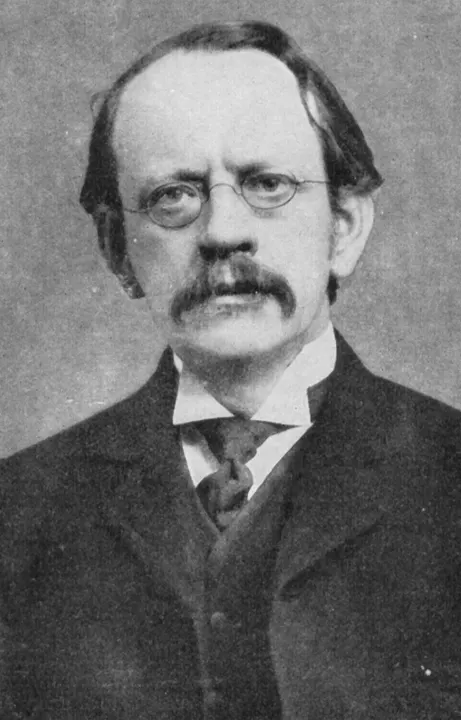
Photo: Not Mentioned, Public domain, via Wikimedia Commons - Proton
- Neutron
- Positron
- Electron
Answer: Electron. Thomson found the electron while studying cathode rays and went on to propose the "plum pudding" model of the atom.
This scientist discovered electromagnetic induction in 1831. Which invention works on that principle?
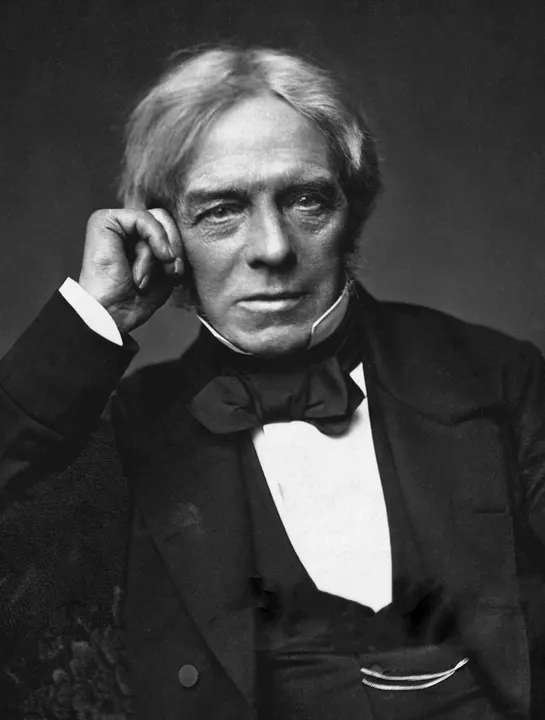
Photo: Unknown authorUnknown author, Public domain, via Wikimedia Commons - Steam engine
- Electric generator
- Telescope
- Light bulb
Answer: Electric generator. Moving a magnet near a coil of wire produces a current. Every generator in a power station still works on Faraday's principle.
This Indian physicist worked with Einstein in the 1920s. Which family of particles carries his name?
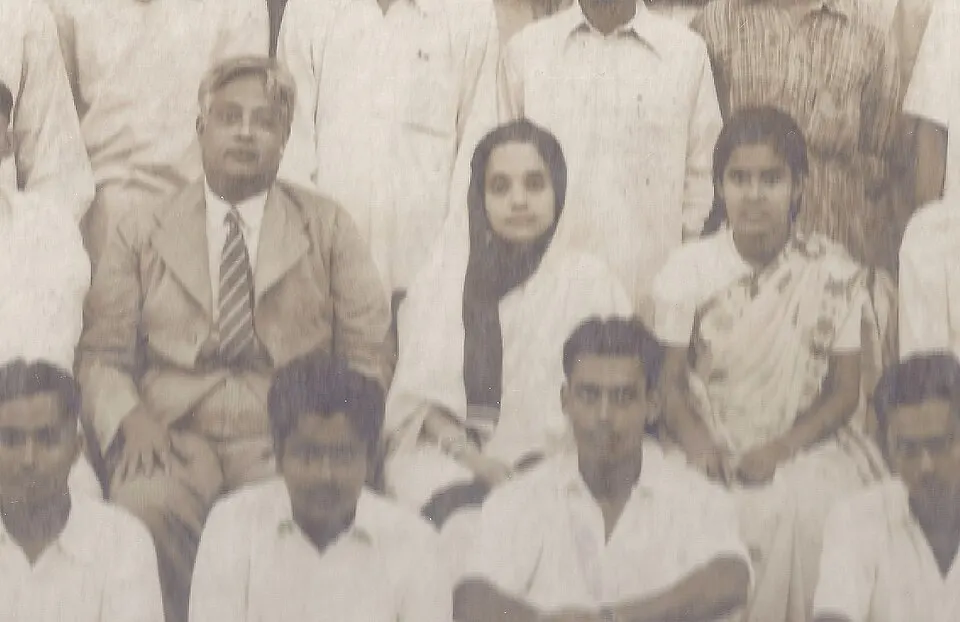
Photo: Unknown authorUnknown author, CC0, via Wikimedia Commons - Bosons
- Fermions
- Quarks
- Leptons
Answer: Bosons. Particles that follow Bose-Einstein statistics, such as photons and the Higgs particle, are called bosons in his honour.
This Nobel-winning physicist (1983) is famous for a mass limit on which kind of star?
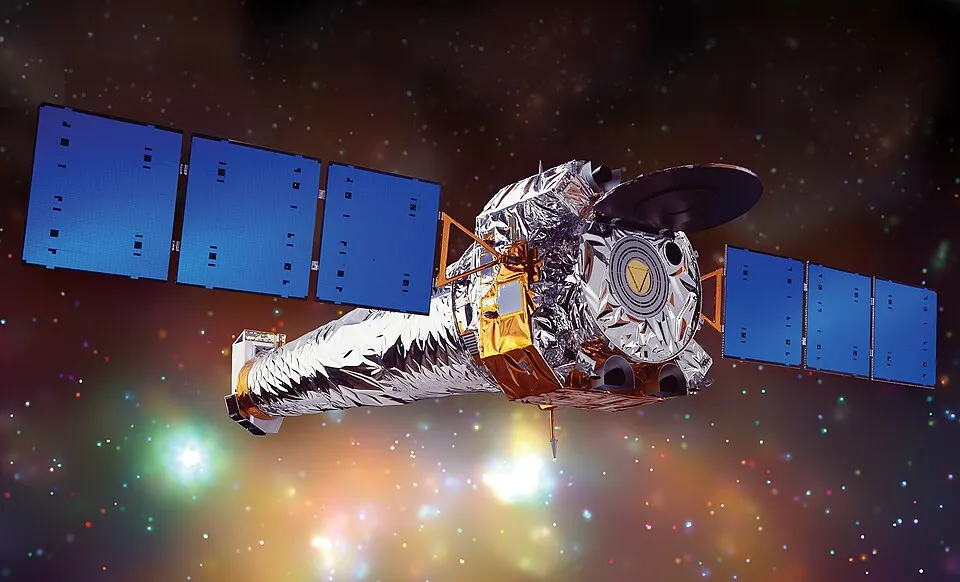
Photo: NASA/CXC/NGST, Public domain, via Wikimedia Commons - Black hole
- Red giant
- Neutron star
- White dwarf
Answer: White dwarf. The Chandrasekhar limit, about 1.4 times the mass of the Sun, is the most a white dwarf can hold before it collapses further.
Frequently asked questions
Where can I find famous scientists quiz questions with answers?
On this page. Once you finish the quiz, the answer key lists all 15 scientists quiz questions with the correct answers and a short explanation for each. You can also open it directly if you only want to revise.
How many questions are in this Famous Scientists Quiz?
The quiz has 15 questions covering famous scientists from India and around the world. It starts easy and gets harder towards the end, and takes about four to five minutes to play.
Can I play the Famous Scientists Quiz online for free without signing up?
Yes. It is free to play and needs no account or login. Press Start, answer the questions, and you will see your score straight away, with an option to share it with friends.
Does this quiz include Indian scientists?
Yes. Alongside names like Einstein, Darwin and Curie, you will find questions on C.V. Raman, Jagadish Chandra Bose, Vikram Sarabhai, A.P.J. Abdul Kalam, Satyendra Nath Bose and S. Chandrasekhar.