
Biology Quiz
This Biology Quiz has 15 questions, from easy warm-ups to a few real stumpers, each with its answer. Play free, see your score instantly, and share it with friends.
15 questionsMixed (easy → hard)~3 minNo timer
Updated:
If you liked this

Trending today
 Bollywood QuizBollywood
 India GK Question Answer Quiz (Indian GK)General Knowledge
 Cricket World Cup QuizSports
 सामान्य ज्ञान प्रश्न (GK in Hindi Questions)Hindi
 Guess the FlagGeography
 Current Affairs Quiz (October 2026)Current Affairs
 Friends TV Series QuizMovies & TV
 KBC क्विज़ (KBC Hindi Quiz)Hindi
 F1 Quiz (Formula 1)Sports
 Naruto QuizAnime & Games
About this Biology quiz
This biology quiz takes you on a quick tour of life science, from the cell and its organelles to the human body, plants, genetics and nutrition. The 15 questions start with easy warm-ups, such as the powerhouse of the cell, and build up to trickier ones on chromosomes, blood vessels and digestive enzymes that catch out even good students.
It suits school students revising for exams, college aspirants brushing up on biology general knowledge questions, and adults who simply enjoy science trivia. Each question has four options and a short explanation, so every wrong answer becomes a mini lesson. Play it once for a score, then scroll down to the answer key to revise all the biology quiz questions and answers in one place.
A good way to use it: play first without any notes, note the topics you missed, and come back a few days later to see if your score improves. Teachers can also use these biology GK questions as a ten-minute class warm-up or a revision round before a test.
One fact worth remembering: a newborn baby has around 300 bones, but an adult has only 206. The number drops because many small bones, such as those in the skull and the base of the spine, slowly fuse together as we grow.
Biology questions with answers
Show answers
Which cell organelle is known as the "powerhouse of the cell"?
- Nucleus
- Ribosome
- Mitochondria
- Golgi apparatus
Answer: Mitochondria. Mitochondria carry out cellular respiration, breaking down food to release energy in the form of ATP that the cell can use.
What is the largest organ of the human body?
- Skin
- Liver
- Brain
- Lungs
Answer: Skin. The skin covers the whole body and is its largest organ. The liver is the largest internal organ.
Which pigment gives leaves their green colour and traps sunlight for photosynthesis?
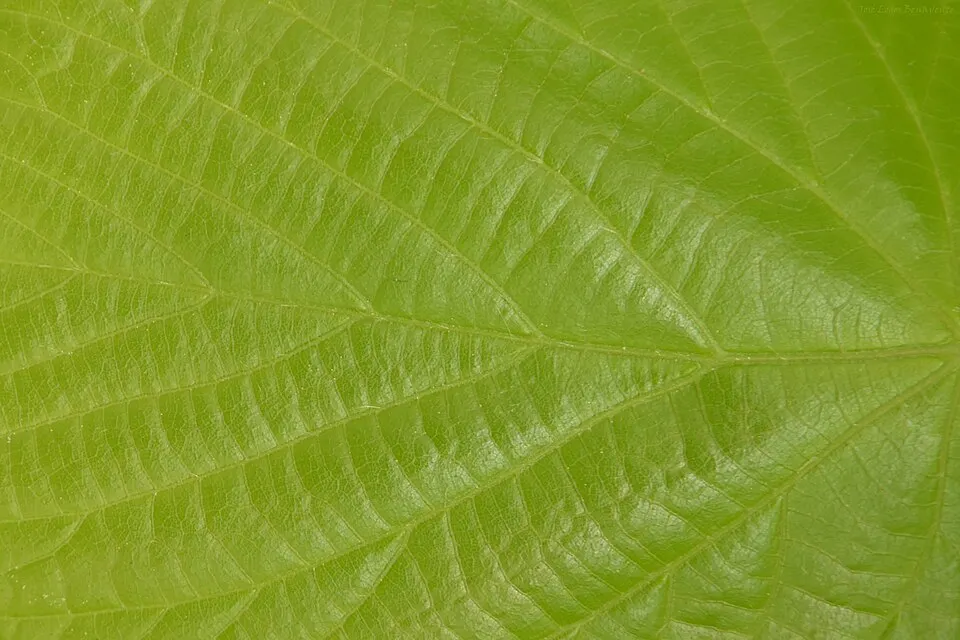
Photo: Joselodos, CC0, via Wikimedia Commons - Haemoglobin
- Melanin
- Carotene
- Chlorophyll
Answer: Chlorophyll. Chlorophyll absorbs mainly red and blue light and reflects green, which is why most leaves look green.
How many bones are there in the body of an adult human?

Photo: Powerhouse Museum, Public domain, via Wikimedia Commons - 196
- 206
- 212
- 300
Answer: 206. An adult has 206 bones. A newborn has around 300, but many of them fuse together as the child grows.
Which of these animals is NOT a mammal?
- Bat
- Whale
- Penguin
- Dolphin
Answer: Penguin. The penguin is a bird: it lays eggs and has feathers. Bats, whales and dolphins are mammals that feed their young on milk.
After fertilisation, which part of a flower develops into the fruit?

Photo: George Chernilevsky, Public domain, via Wikimedia Commons - Anther
- Petal
- Sepal
- Ovary
Answer: Ovary. The ovary swells to become the fruit, while the ovules inside it become the seeds.
A lack of which vitamin causes scurvy, with bleeding gums and slow healing of wounds?
- Vitamin A
- Vitamin C
- Vitamin D
- Vitamin K
Answer: Vitamin C. Vitamin C is needed to make collagen. Sailors on long voyages once got scurvy until citrus fruits were added to their diet.
Which organ produces the hormone insulin, which controls blood sugar?
- Pancreas
- Liver
- Kidney
- Spleen
Answer: Pancreas. Insulin is made by beta cells in the islets of Langerhans of the pancreas. Too little insulin leads to diabetes.
Which is the smallest bone in the human body?
- Femur
- Patella
- Clavicle
- Stapes
Answer: Stapes. The stapes, or stirrup bone, sits in the middle ear and is only about 3 mm long. The femur (thigh bone) is the longest.
In 1953, which two scientists proposed the double-helix structure of DNA?
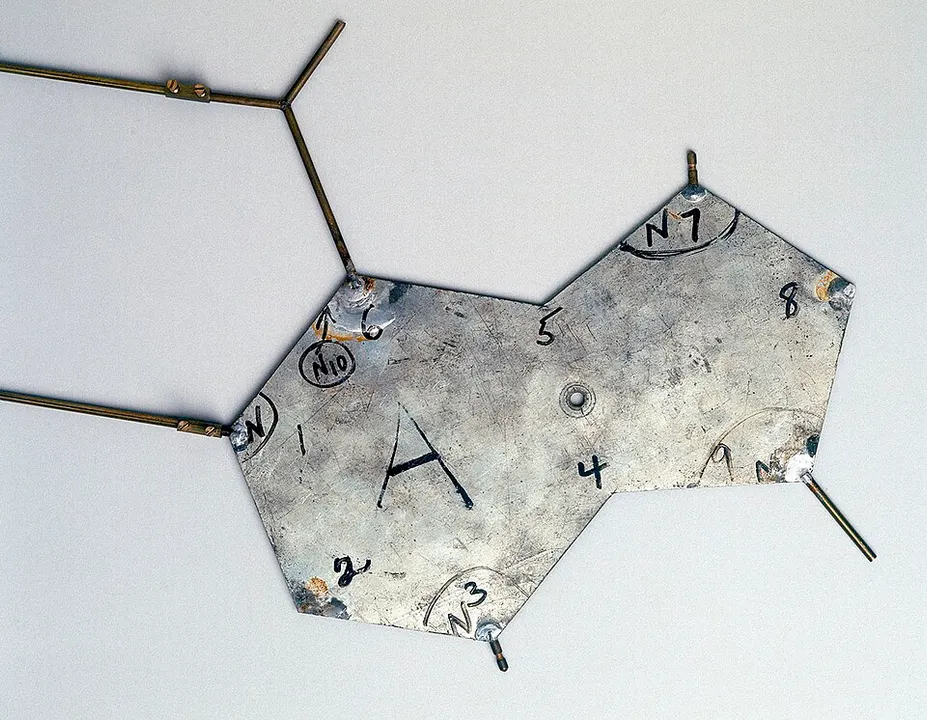
Photo: Science Museum, London / Science and Society Picture Library, CC BY-SA 2.0, via Wikimedia Commons - Darwin and Wallace
- Watson and Crick
- Hooke and Leeuwenhoek
- Pasteur and Koch
Answer: Watson and Crick. James Watson and Francis Crick built their model using X-ray data, including Rosalind Franklin's famous Photo 51.
Which part of the brain controls involuntary actions such as breathing and heartbeat?
- Cerebrum
- Cerebellum
- Medulla oblongata
- Thalamus
Answer: Medulla oblongata. The medulla oblongata in the hindbrain controls automatic functions like breathing, heartbeat, swallowing and vomiting.
How many chromosomes are found in a normal human body (somatic) cell?
- 23
- 44
- 48
- 46
Answer: 46. Body cells have 46 chromosomes in 23 pairs. Sperm and egg cells carry just 23, so fertilisation restores the full 46.
Which blood vessel carries oxygen-rich blood from the lungs back to the heart?
- Pulmonary artery
- Aorta
- Pulmonary vein
- Superior vena cava
Answer: Pulmonary vein. The pulmonary veins are the exception to the rule: they are veins, yet they carry oxygenated blood to the left atrium.
Which enzyme in saliva starts the digestion of starch in the mouth?
- Salivary amylase
- Pepsin
- Trypsin
- Lipase
Answer: Salivary amylase. Salivary amylase (also called ptyalin) breaks starch into simpler sugars. Chew a plain chapati long enough and it starts to taste sweet.
Which of these is found in a plant cell but NOT in an animal cell?
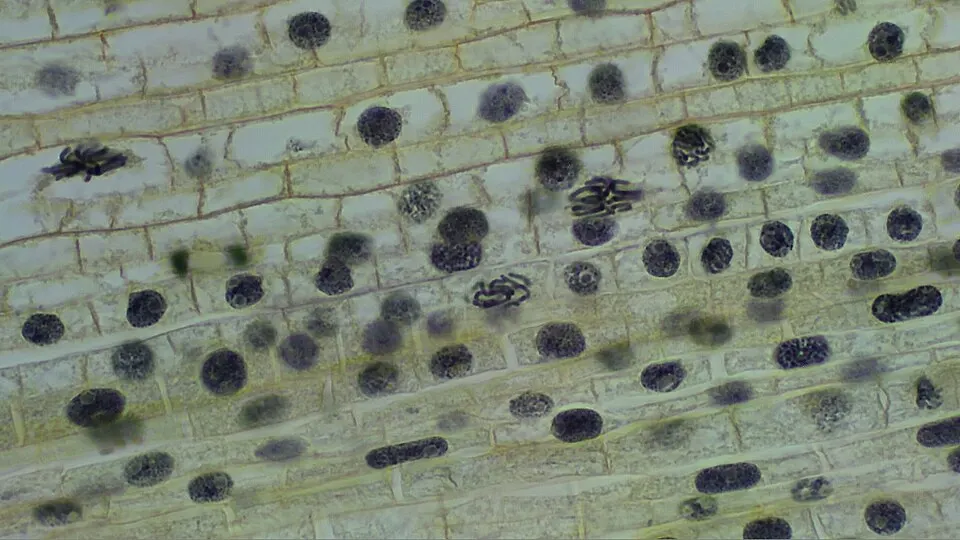
Photo: Bobjgalindo, CC BY-SA 4.0, via Wikimedia Commons - Mitochondria
- Cell wall
- Ribosome
- Cell membrane
Answer: Cell wall. Plant cells have a rigid cell wall made of cellulose (and chloroplasts too). Animal cells have only a cell membrane on the outside.
Frequently asked questions
Where can I find Biology questions with answers?
Right on this page. After you finish the quiz, the answer key below lists all 15 biology quiz questions with the correct option and a short explanation. You can also open the answer key without playing if you just want to revise.
How many questions are in this Biology quiz?
There are 15 questions, arranged from easy to hard. They cover cells, the human body, plants, genetics and nutrition, and most people finish in about four to five minutes.
Can I play the Biology quiz online for free without signing up?
Yes. The quiz is completely free and needs no account or login. Just press Start, answer the questions and see your score instantly. You can share your result with friends if you like.
Is this biology quiz useful for school exams?
It is a good revision aid. The questions follow topics taught in Classes 8 to 12, such as cell organelles, human physiology and heredity, and the explanations help you remember why each answer is correct.