
Agriculture & Irrigation Quiz: Indian Geography Practice
10 questions on Indian agriculture: kharif, rabi and zaid crops, shifting cultivation, major crops and their conditions, revolutions and irrigation methods.
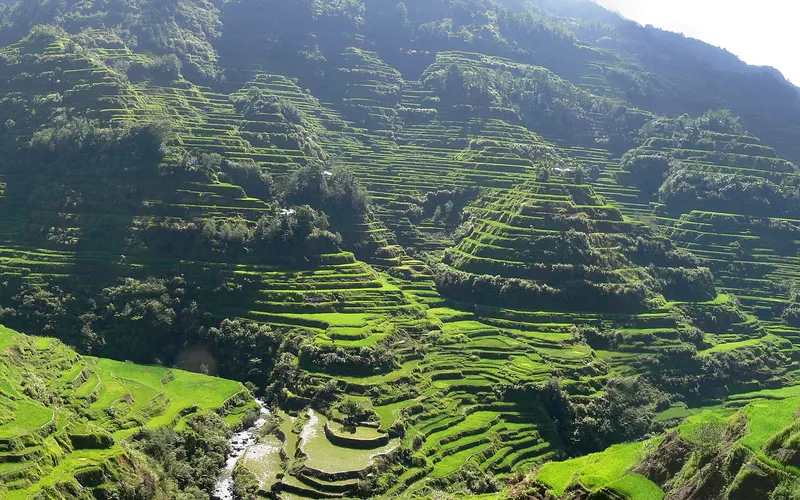
Agriculture & Irrigation Quiz: Indian Geography Practice
Tip: use keys 1-4 to answer, Enter for next.
Answers to the starter quiz
Spoilers! These are the Starter quiz’s answers. Easy, Medium, Hard and Mixed rounds show their own answers when you finish.
Which of the following is a rabi crop?
- Rice
- Maize
- Mustard
- Cotton
Answer: Mustard. Rabi crops are sown in winter (October–December) and harvested in summer: wheat, barley, peas, gram and mustard. Rice, maize and cotton are kharif crops.
Watermelon, muskmelon and cucumber grown in the short season between rabi and kharif are called:
- Zaid crops
- Plantation crops
- Kharif crops
- Cash crops
Answer: Zaid crops. The zaid season is the short summer season after the rabi harvest. Vegetables, melons and fodder crops are typical zaid crops.
Shifting (slash-and-burn) cultivation is known as 'jhum' in which region?
- Western Ghats
- North-eastern hill states
- Thar desert
- Punjab plains
Answer: North-eastern hill states. Farmers clear a forest patch, burn it, cultivate for a few years and move on when fertility falls. It is common in the hill states of the north-east.
Which crop is called the 'golden fibre' of India?
- Cotton
- Hemp
- Silk
- Jute
Answer: Jute. Jute grows well on the fertile, well-drained floodplain soils of the Ganga–Brahmaputra delta, renewed every year by floods. West Bengal is the leading jute region.
The 'White Revolution' in India, associated with Operation Flood and Dr Verghese Kurien, relates to:
- Milk production
- Cotton production
- Egg production
- Fish production
Answer: Milk production. Operation Flood (launched 1970) built a national dairy grid of milk cooperatives on the Anand (Amul) model. The Blue Revolution relates to fisheries.
Tank irrigation is most important in which of the following states?
- Punjab
- Haryana
- Tamil Nadu
- Uttar Pradesh
Answer: Tamil Nadu. In the peninsula, hard rocks make digging canals and wells difficult, while the uneven surface helps store rainwater in tanks. Canals dominate in the northern plains.
The Indira Gandhi Canal, which carries water into the Thar desert, takes off from the:
- Bhakra dam
- Harike barrage
- Hirakud dam
- Pong dam
Answer: Harike barrage. It starts at the Harike barrage near the confluence of the Sutlej and Beas in Punjab and runs into western Rajasthan, enabling farming in desert districts.
The Arabica variety of coffee, first grown in India in the Baba Budan hills, is cultivated mainly in:
- Assam
- Punjab
- West Bengal
- Karnataka
Answer: Karnataka. Indian coffee is grown largely in the hills of Karnataka, Kerala and Tamil Nadu. Coffee needs warm, moist conditions and shade, on well-drained hill slopes.
Cotton grows best on the black soils of the Deccan and needs about how many frost-free days?
- 90
- 120
- 210
- 330
Answer: 210. Cotton is a kharif crop needing high temperature, light rainfall or irrigation, bright sunshine and about 210 frost-free days.
Consider the following statements: 1. Drip irrigation delivers water directly to the root zone of plants. 2. Sprinkler irrigation cannot be used on uneven land. Which of the statements given above is/are correct?
- 1 only
- 2 only
- Both 1 and 2
- Neither 1 nor 2
Answer: 1 only. Drip irrigation is the most water-efficient method. Sprinklers spray water like rain and are actually well suited to uneven and sandy land where flood irrigation is difficult.
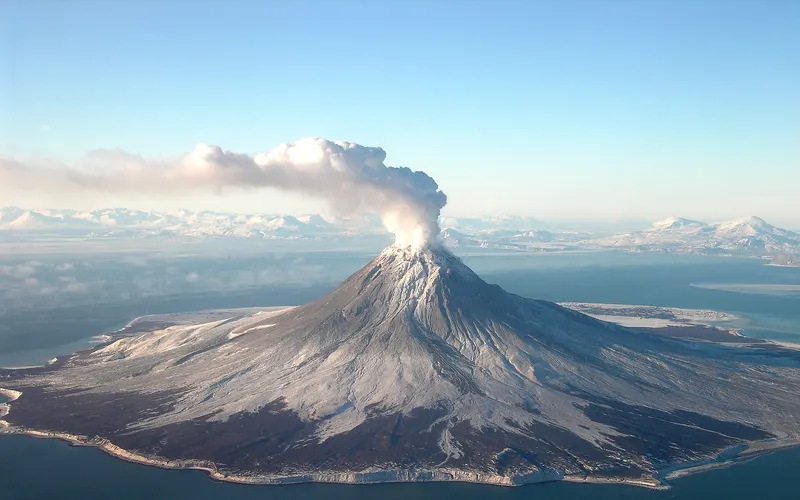
Geomorphology Quiz: Interior of the Earth, Plate Tectonics & Landforms
10 questions on the Earth's interior, seismic waves, plate boundaries, rocks, earthquakes and landforms made by rivers, wind, ice and groundwater.
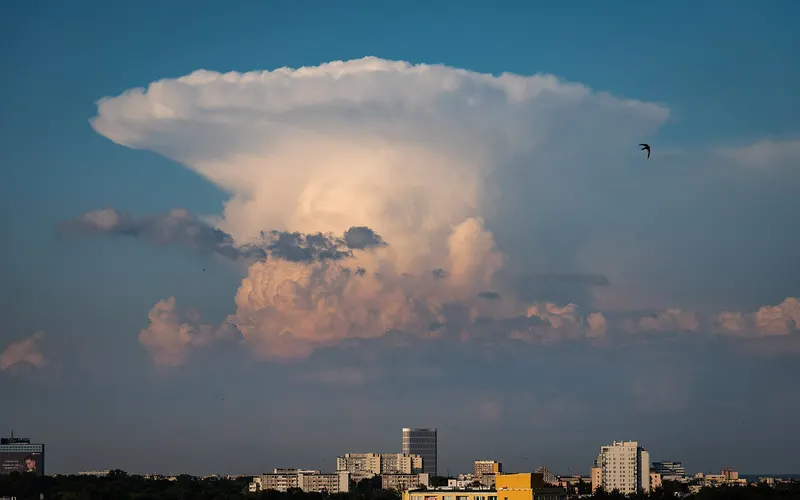
Climatology & Oceanography Quiz: Physical Geography Practice
10 questions on atmospheric layers, pressure belts, planetary and local winds, cyclones, ocean currents and tides. Physical geography with explanations.
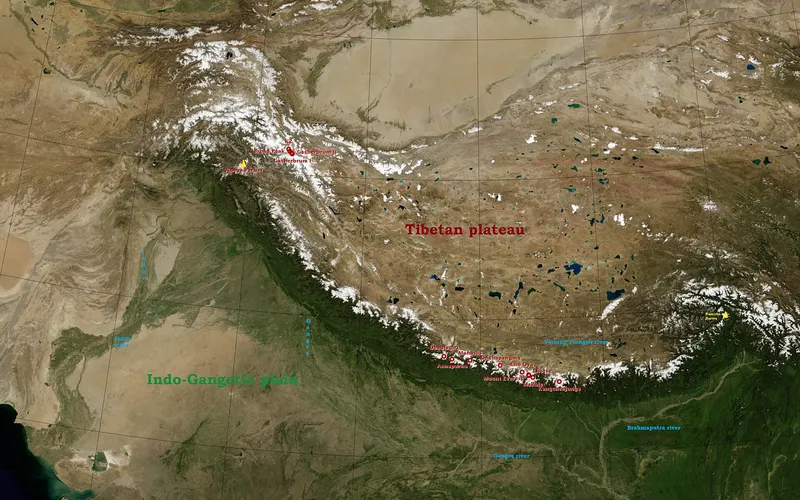
Physiography of India Quiz: Himalayas, Plains, Plateau, Coasts & Islands
10 questions on India's physical divisions: Himalayan ranges, bhabar and khadar, peninsular hills and peaks, coastal plains and island groups.
Indian Climate & Monsoon Quiz: Seasons, Winds and Rainfall
10 questions on India's monsoon climate: onset and retreat, western disturbances, pre-monsoon showers, local winds, rain shadow areas and El Nino.