
Nature's Record Breakers
This nature trivia quiz is all about record breakers: the biggest, fastest, smallest, tallest and oldest living things, plus the deepest and driest places on the planet.
15 questionsMedium~3 minNo timer
Updated:
If you liked this


Trending today
 Bollywood QuizBollywood
 India GK Question Answer Quiz (Indian GK)General Knowledge
 Cricket World Cup QuizSports
 सामान्य ज्ञान प्रश्न (GK in Hindi Questions)Hindi
 Guess the FlagGeography
 Current Affairs Quiz (October 2026)Current Affairs
 Friends TV Series QuizMovies & TV
 KBC क्विज़ (KBC Hindi Quiz)Hindi
 F1 Quiz (Formula 1)Sports
 Naruto QuizAnime & Games
All General Knowledge quizzes →
About this Nature Trivia quiz
This nature trivia quiz celebrates the record holders of the living world and the extreme places they call home. In 15 questions you will meet the biggest animal ever, the fastest flier, the tallest tree, the largest flower and the longest-lived animal with a backbone, along with the deepest trench and the largest deserts.
Records in nature are rarely just numbers. A whale reaches its size on a very particular diet, a bird earns its speed only in a dive, and a flower grows huge without a single leaf. Scientists keep testing these records with new tools, from satellite tags on seabirds to radiocarbon dating of an animal's eye lens, so a few of the answers are newer than you might expect.
The quiz suits nature lovers, families, classrooms and trivia nights. The questions are friendly enough for teenagers but carry enough surprises to catch out adults. Every answer has a short note that explains how the record works, so you can take one good fact to the dinner table.
Nature Trivia questions with answers
Show answers
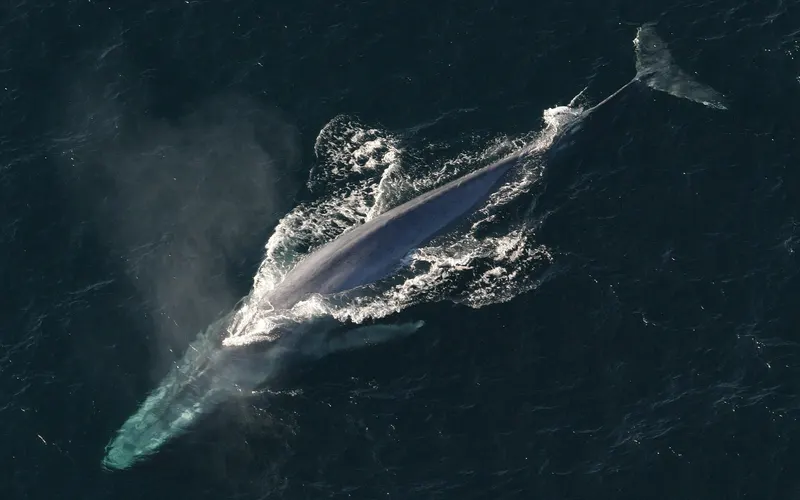
The largest animal ever to live, shown here, feeds almost entirely on which tiny creatures?
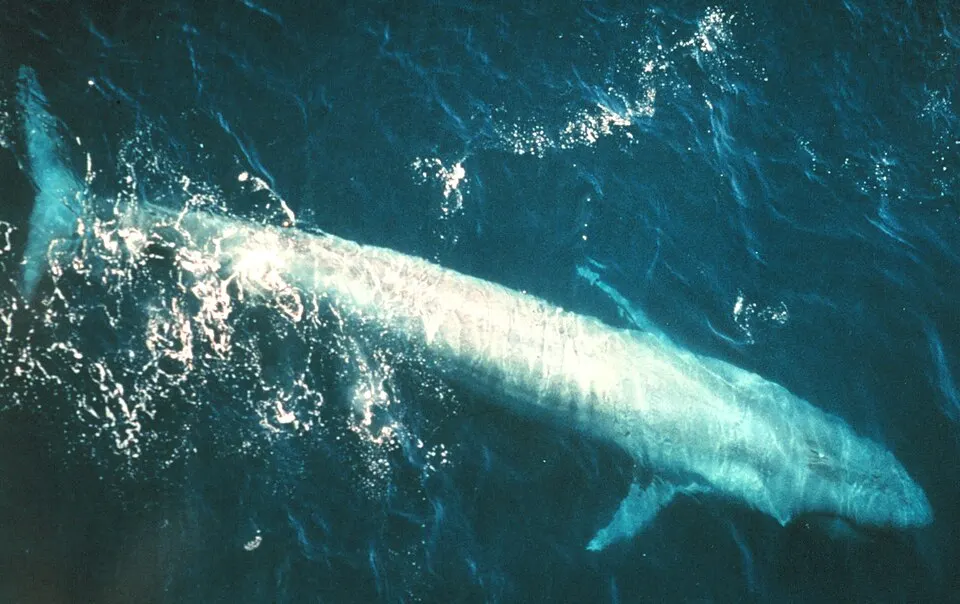
Photo: NMFS Northeast Fisheries Science Center (NOAA), Public domain, via Wikimedia Commons - Krill
- Sardines
- Squid
- Jellyfish
Answer: Krill. Blue whales strain krill from the water through baleen plates. NOAA says the biggest can eat up to about 6 tons of krill a day.
The scientific name of this snake means "snake-eater". What does it mostly eat?
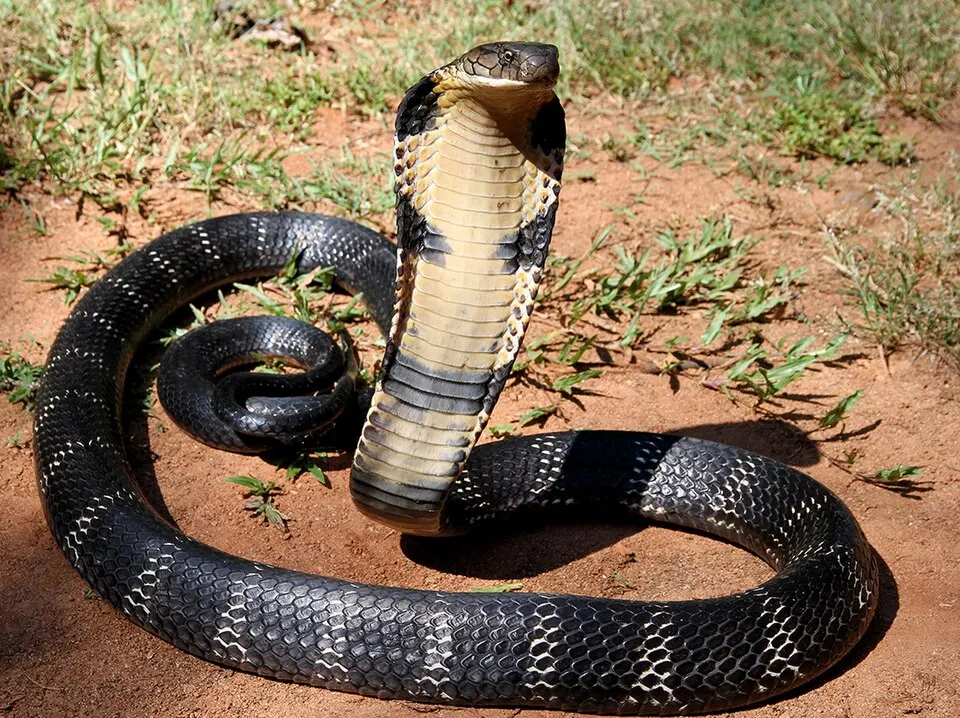
Photo: Michael Allen Smith from Seattle, USA, CC BY-SA 2.0, via Wikimedia Commons - Other snakes
- Rats and mice
- Birds' eggs
- Frogs
Answer: Other snakes. Ophiophagus means 'snake-eater'. It hunts rat snakes and even other cobras.
In its hunting dive, called a stoop, this bird tops 300 km/h. Name the fastest animal on Earth.
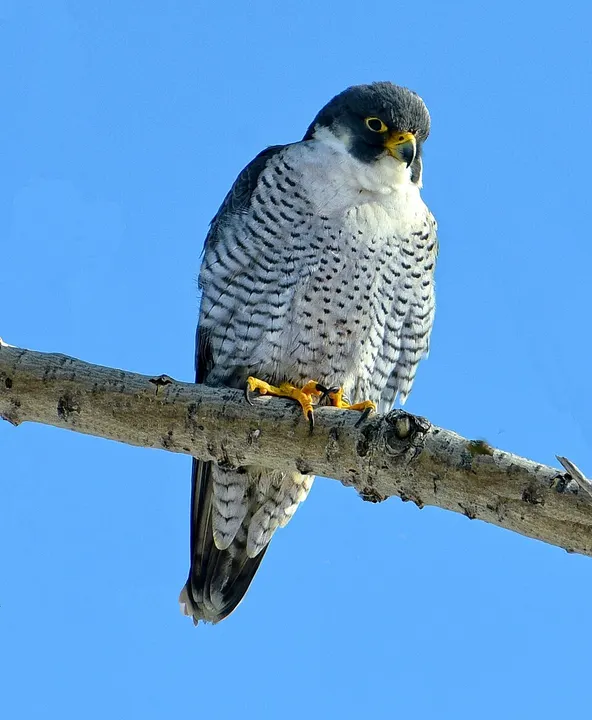
Photo: Mykola Swarnyk, CC BY-SA 3.0, via Wikimedia Commons - Golden eagle
- Peregrine falcon
- Swift
- Ostrich
Answer: Peregrine falcon. The peregrine falcon folds its wings and drops onto prey in mid-air.
An elephant calf like this arrives after the longest pregnancy of any mammal. About how long is it?
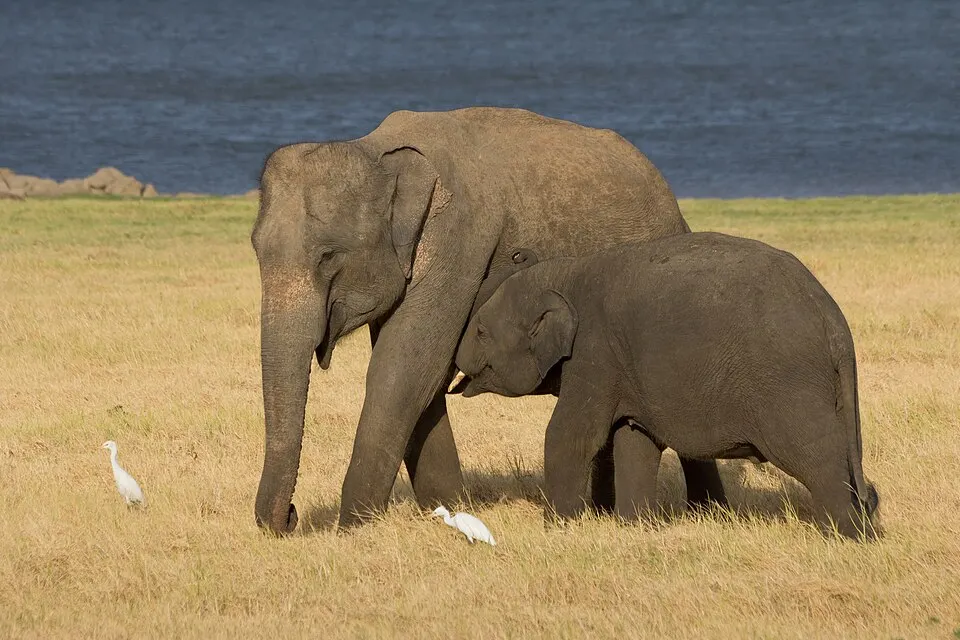
Photo: Carlos Delgado, CC BY-SA 4.0, via Wikimedia Commons - About 9 months
- About 12 months
- About 22 months
- About 36 months
Answer: About 22 months. Elephants carry their calves for up to about 22 months, nearly two years.
A tiny relative of this bat, found in caves in Thailand and Myanmar, is among the smallest mammals on Earth. Which insect is it nicknamed after?
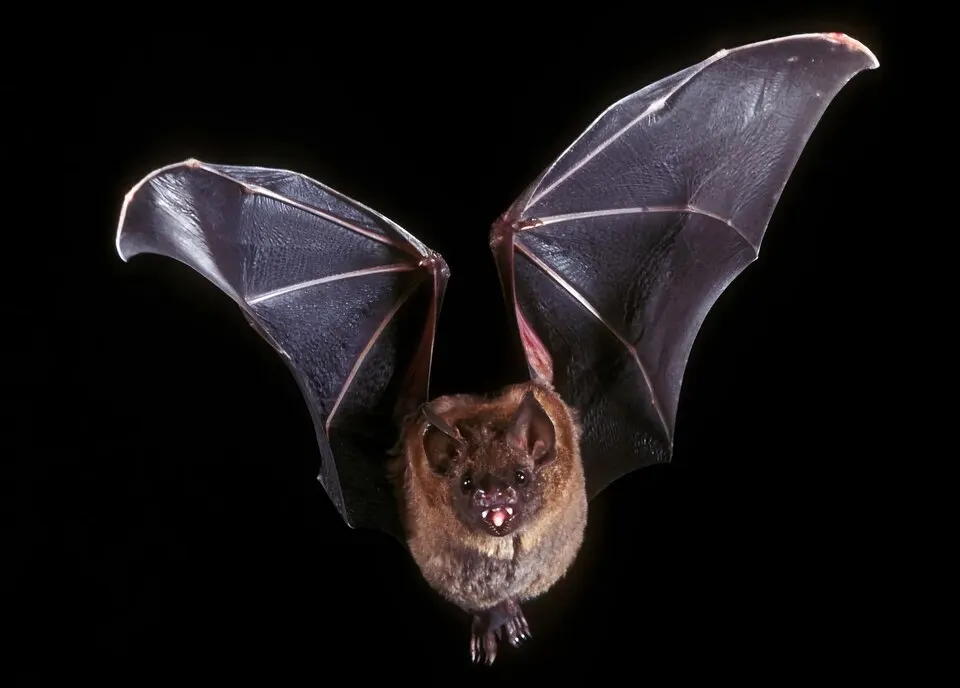
Photo: Laverta.Dianthus, CC BY-SA 4.0, via Wikimedia Commons - Dragonfly
- Butterfly
- Grasshopper
- Bumblebee
Answer: Bumblebee. Kitti's hog-nosed bat, the bumblebee bat, is about 3 cm long and weighs around 2 g. Bats are the only mammals that truly fly.
In 2012 the director of Titanic and Avatar became the first person to dive solo to the deepest known point in the ocean. Who?
- Steven Spielberg
- Christopher Nolan
- James Cameron
- Ridley Scott
Answer: James Cameron. James Cameron took Deepsea Challenger nearly 11 km down to Challenger Deep in the Mariana Trench, the first crewed visit since 1960.
Bengal tigers like this one also roam the world's largest mangrove forest, the Sundarbans. Which country shares it with India?
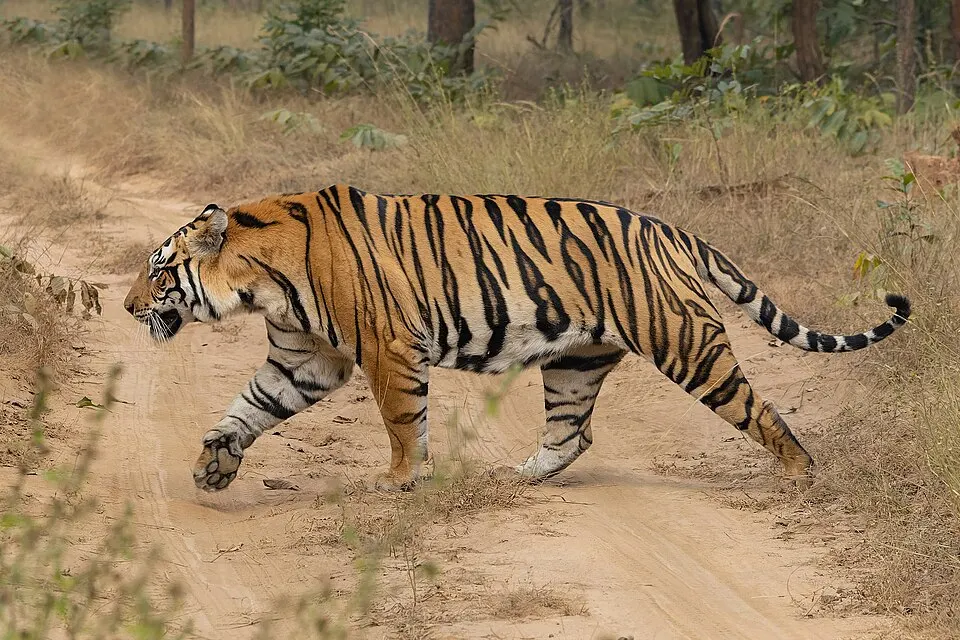
Photo: Tisha Mukherjee, CC BY-SA 4.0, via Wikimedia Commons - Myanmar
- Nepal
- Bangladesh
- Sri Lanka
Answer: Bangladesh. The Sundarbans spread across the Ganges delta in India and Bangladesh. Its tigers swim long distances between islands.
Its eye, about 5 cm across, is bigger than its own brain and the biggest of any land animal. Whose head is this?
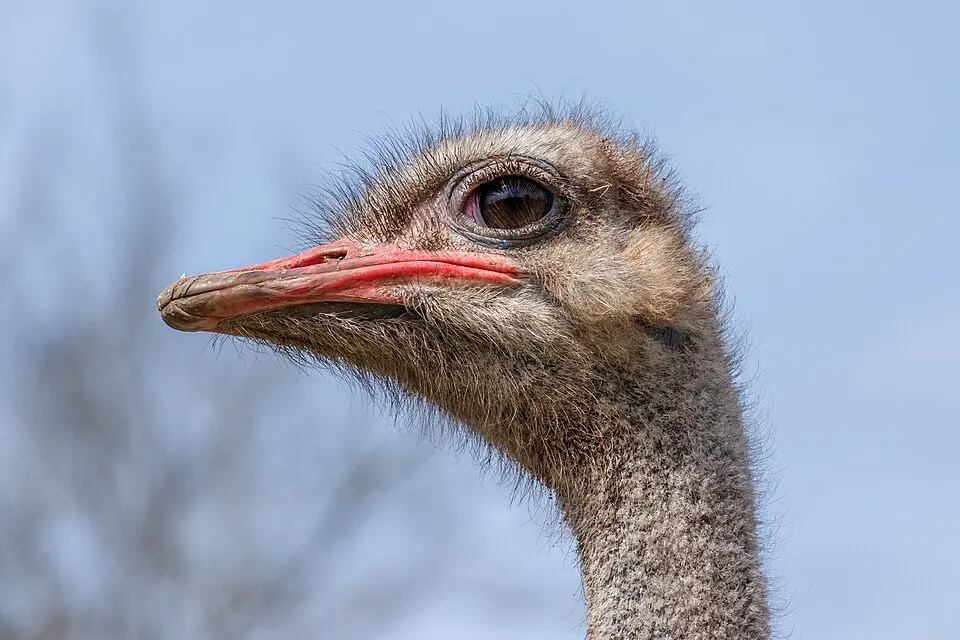
Photo: H. Zell, CC BY-SA 3.0, via Wikimedia Commons - Emu
- Ostrich
- Cassowary
- Rhea
Answer: Ostrich. Guinness lists the ostrich eye as the largest of any land animal, about twice the width of a human eye. Its brain is no bigger than a walnut.
The frozen continent shown here counts as the largest desert on Earth. What makes a place a desert?
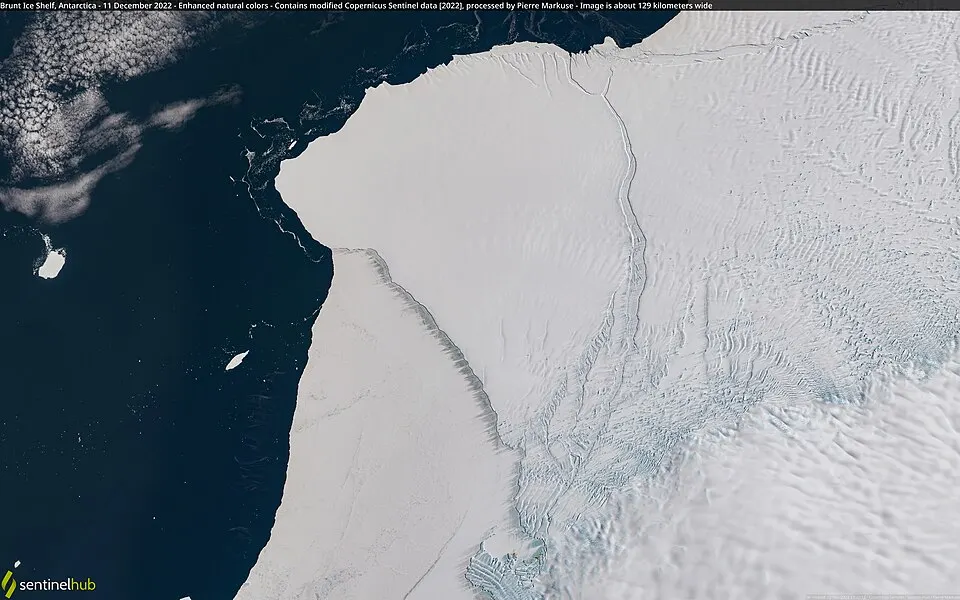
Photo: Pierre Markuse, CC BY 2.0, via Wikimedia Commons - Very little rain or snow
- Lots of sand
- Very high heat
- No living things
Answer: Very little rain or snow. Deserts are defined by low precipitation, not heat. Antarctica's high interior gets only about 50 mm a year, mostly as snow.
The Sahara, the largest hot desert, seen here from space, takes its name from an Arabic word. What does the word mean?
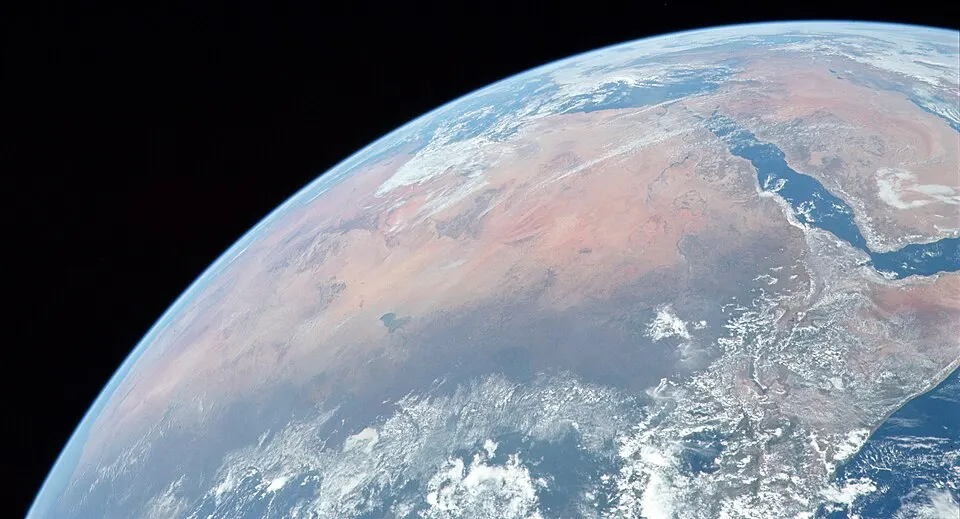
Photo: Project Apollo Archive, Public domain, via Wikimedia Commons - Sand
- Desert
- Sun
- Thirst
Answer: Desert. Sahra means desert in Arabic, so 'Sahara Desert' really says 'desert desert'. It covers much of North Africa.
Hyperion, the tallest known living tree at more than 115 metres, grows in a California national park. What kind of tree is it?
- Giant sequoia
- Douglas fir
- Mountain ash
- Coast redwood
Answer: Coast redwood. It was found in Redwood National Park in 2006, and its exact spot is kept secret to protect it. Giant sequoias are bulkier but not as tall.
This rainforest parasite has no leaves, stem or roots of its own, yet its single flower can be about a metre wide and smells of rotting meat. Name it.
- Titan arum
- Rafflesia
- Lotus
- Victoria water lily
Answer: Rafflesia. Rafflesia arnoldii of Sumatra and Borneo has the largest single flower. The smell draws carrion flies, which carry its pollen.
Scientists aged this slow Arctic swimmer using the lens of its eye and found it may live around 400 years, longer than any other vertebrate. Name it.
- Whale shark
- Bowhead whale
- Leatherback turtle
- Greenland shark
Answer: Greenland shark. A 2016 study in Science put the largest shark at about 390 years old. Females may not breed until they are around 150.
The world's smallest bird, about 5 to 6 cm long and weighing around 2 grams, lives in the wild in only one country. Which?
- Cuba
- Jamaica
- Haiti
- Barbados
Answer: Cuba. The bee hummingbird is named for its bee-like size. Some Cubans call it the zunzun.
Tracked with tiny geolocators, this seabird flies from the Arctic to Antarctica and back every year, the longest known animal migration. Name it.
- Albatross
- Puffin
- Arctic tern
- Bar-tailed godwit
Answer: Arctic tern. In a 2010 study some terns covered more than 80,000 km in a year. They enjoy two summers every year.
Frequently asked questions
What is the fastest land animal?
The cheetah. It can sprint at about 100 to 120 km/h, but only in short bursts of a few hundred metres before it has to rest.
What is the largest animal that has ever lived?
The blue whale. It can grow to about 30 metres long and weigh well over 100 tonnes, heavier than any dinosaur known so far.
Which is the largest hot desert in the world?
The Sahara in North Africa. It covers about 9 million square kilometres, roughly the size of the United States, and stretches across parts of about ten countries.