
Vedic Age Quiz: Ancient Indian History Practice
10 exam-style questions on the Vedas, Upanishads, Rigvedic and later Vedic society, assemblies, gods and rivers, with explanations.
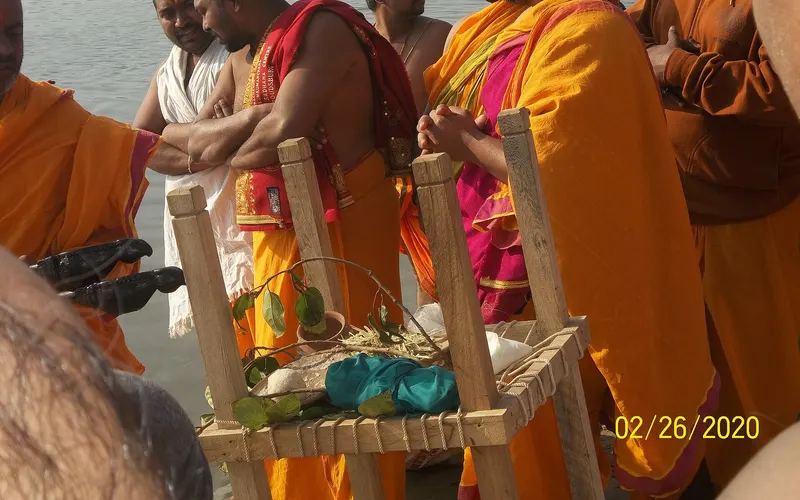
Vedic Age Quiz: Ancient Indian History Practice
Tip: use keys 1-4 to answer, Enter for next.
Answers to the starter quiz
Spoilers! These are the Starter quiz’s answers. Easy, Medium, Hard and Mixed rounds show their own answers when you finish.
The Rigveda is divided into how many mandalas (books)?
- 8
- 10
- 12
- 4
Answer: 10. The Rigveda has 10 mandalas with 1,028 hymns. Mandalas 2 to 7, the "family books", are considered the oldest.
The Gayatri mantra, addressed to the sun deity Savitri, occurs in which text?
- Samaveda
- Yajurveda
- Atharvaveda
- Rigveda
Answer: Rigveda. It is in the third mandala of the Rigveda, traditionally linked with the sage Vishvamitra.
The Battle of Ten Kings (Dasharajna), won by Sudas, was fought on the banks of which river?
- Parushni (Ravi)
- Vitasta (Jhelum)
- Asikni (Chenab)
- Shutudri (Sutlej)
Answer: Parushni (Ravi). Sudas, chief of the Bharata clan, defeated a confederacy of ten chiefs on the Parushni, the Rigvedic name of the Ravi.
The Purusha Sukta, which contains the earliest reference to the four varnas, is found in which mandala of the Rigveda?
- 3rd
- 10th
- 1st
- 7th
Answer: 10th. The Purusha Sukta of the tenth mandala, one of the latest parts of the text, describes the four varnas arising from the cosmic being.
Which Veda is mainly a collection of charms and spells, including remedies for disease?
- Rigveda
- Samaveda
- Atharvaveda
- Yajurveda
Answer: Atharvaveda. The Atharvaveda deals with everyday concerns — spells against illness and evil, charms for prosperity — and gives a picture of popular beliefs.
India's national motto "Satyameva Jayate" is taken from which Upanishad?
- Katha Upanishad
- Mundaka Upanishad
- Chandogya Upanishad
- Brihadaranyaka Upanishad
Answer: Mundaka Upanishad. The phrase, meaning "truth alone triumphs", comes from the Mundaka Upanishad and is inscribed below the national emblem.
Which deity has the largest number of hymns in the Rigveda?
- Agni
- Varuna
- Indra
- Soma
Answer: Indra. About 250 hymns praise Indra, the war god and breaker of forts (Purandara). Agni comes second with about 200.
Consider the following statements about the later Vedic period: 1. Painted Grey Ware is associated with it. 2. Women were no longer permitted to attend the sabha. 3. The institution of gotra appeared. Which of the statements given above are correct?
- 1, 2 and 3
- 1 and 2 only
- 2 and 3 only
- 1 only
Answer: 1, 2 and 3. Later Vedic settlements in the upper Ganga basin used Painted Grey Ware. Women lost their place in assemblies, and gotra (clan exogamy) took shape.
Which of the following is NOT one of the six Vedangas?
- Shiksha
- Nirukta
- Jyotisha
- Aranyaka
Answer: Aranyaka. The Vedangas are Shiksha, Kalpa, Vyakarana, Nirukta, Chhanda and Jyotisha. Aranyakas are "forest texts" attached to the Vedas, not Vedangas.
In the Rigvedic period, the word "gavishti", literally "search for cows", was used to mean:
- war
- a tax on cattle herds
- a cattle fair
- a fire sacrifice
Answer: war. Cattle were the main form of wealth, so raids and wars were spoken of as a search for cows.
Play next
All history & culture quizzes →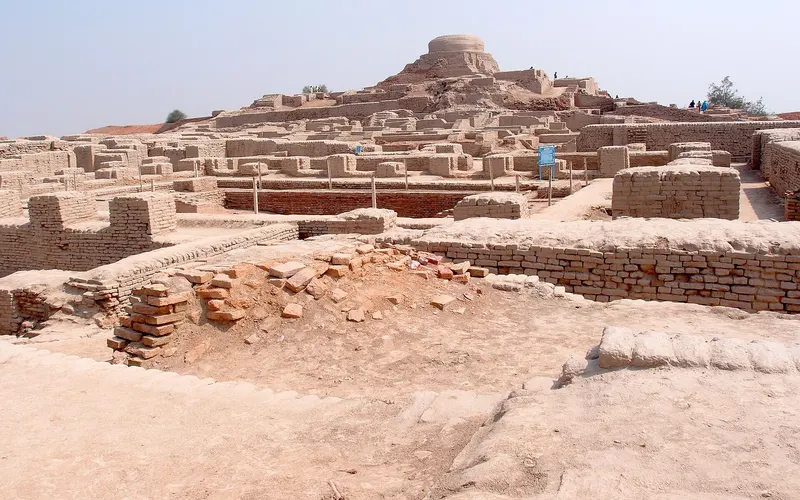
Prehistory & Indus Valley Quiz: Ancient Indian History Practice
10 exam-style questions on the Stone Ages and the Harappan civilisation. Key sites, finds, discoverers and features, with explanations.
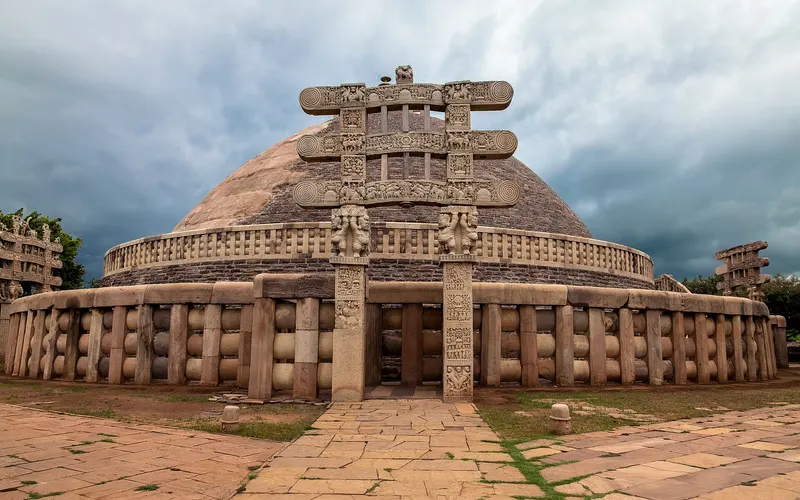
Buddhism & Jainism Quiz: Ancient Indian History Practice
10 exam-style questions on the Buddha and Mahavira, their teachings, councils, sects, texts and sacred places, with explanations.
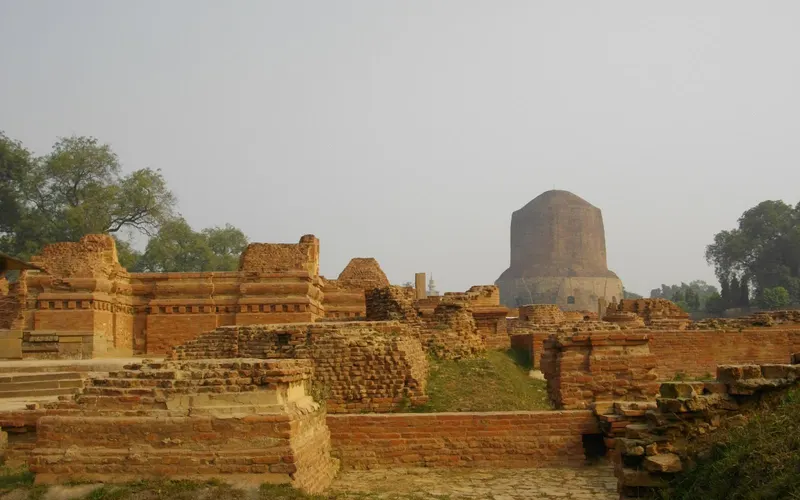
Mauryan & Post-Mauryan India Quiz: Ancient Indian History Practice
10 exam-style questions on the Mauryas, Ashoka's edicts, the Shungas, Satavahanas, Indo-Greeks, Shakas and Kushanas, with explanations.
Guptas & Early Medieval Kingdoms Quiz: Indian History Practice
10 exam-style questions on the Guptas, Harsha, Chalukyas, Pallavas, Rashtrakutas, Palas, Pratiharas and Cholas, with explanations.