
Mauryan & Post-Mauryan India Quiz: Ancient Indian History Practice
10 exam-style questions on the Mauryas, Ashoka's edicts, the Shungas, Satavahanas, Indo-Greeks, Shakas and Kushanas, with explanations.
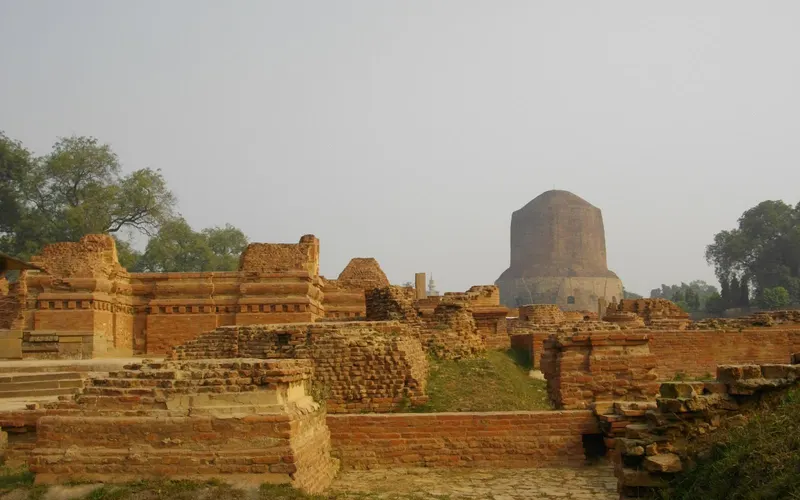
Mauryan & Post-Mauryan India Quiz: Ancient Indian History Practice
Tip: use keys 1-4 to answer, Enter for next.
Answers to the starter quiz
Spoilers! These are the Starter quiz’s answers. Easy, Medium, Hard and Mixed rounds show their own answers when you finish.
Which Greek ambassador at the court of Chandragupta Maurya wrote the "Indica"?
- Deimachus
- Megasthenes
- Ptolemy
- Pliny
Answer: Megasthenes. Megasthenes was sent by Seleucus Nicator. His Indica survives only in quotations by later Greek and Roman writers.
Which of Ashoka's inscriptions describes the Kalinga war and his remorse over it?
- Major Rock Edict XIII
- Pillar Edict VII
- Minor Rock Edict I
- Major Rock Edict I
Answer: Major Rock Edict XIII. Rock Edict XIII records the deaths and deportations in Kalinga and Ashoka's turn to conquest by dhamma.
Who deciphered the Brahmi script of Ashoka's inscriptions in 1837?
- Alexander Cunningham
- William Jones
- James Prinsep
- Charles Wilkins
Answer: James Prinsep. James Prinsep, an official of the Calcutta mint, read the Brahmi inscriptions and identified "Devanampiya Piyadasi".
In which of these inscriptions is the name "Ashoka" itself (not just "Devanampiya Piyadasi") mentioned?
- Girnar
- Kalsi
- Dhauli
- Maski
Answer: Maski. The Maski minor rock edict in Karnataka names "Devanampiya Asoka", which confirmed that Piyadasi was Ashoka.
The last Mauryan ruler, Brihadratha, was killed by his commander:
- Vasudeva Kanva
- Pushyamitra Shunga
- Kharavela
- Simuka
Answer: Pushyamitra Shunga. Pushyamitra Shunga killed Brihadratha around 185 BCE and founded the Shunga dynasty.
The Hathigumpha inscription gives an account of which ruler?
- Rudradaman I
- Gautamiputra Satakarni
- Kharavela
- Menander
Answer: Kharavela. Kharavela of the Chedi dynasty of Kalinga had it carved in the Udayagiri hills near Bhubaneswar. He was a patron of Jainism.
The Saka era, which begins in 78 CE, is traditionally associated with the accession of:
- Kanishka
- Rudradaman I
- Chandragupta II
- Vima Kadphises
Answer: Kanishka. Most historians link the start of the Saka era with Kanishka's accession. India's national calendar uses this era.
The Junagadh rock inscription, the first long inscription in chaste Sanskrit, was issued by:
- Nahapana
- Kanishka
- Samudragupta
- Rudradaman I
Answer: Rudradaman I. The Shaka ruler Rudradaman I recorded his repair of the Sudarshana lake (c. 150 CE), first built under Chandragupta Maurya.
The Pali text "Milindapanho" is a dialogue between the Indo-Greek king Menander and the monk:
- Nagarjuna
- Nagasena
- Ashvaghosha
- Vasumitra
Answer: Nagasena. Menander (Milinda) questioned Nagasena on Buddhist doctrine, and is said to have become a Buddhist.
Consider the following statements about the Satavahanas: 1. Several kings bore names taken from their mothers, such as Gautamiputra. 2. They issued a large number of lead coins. 3. The Nasik inscription of Gautami Balashri records the achievements of Gautamiputra Satakarni. Which of the statements given above are correct?
- 1 and 2 only
- 2 and 3 only
- 1 and 3 only
- 1, 2 and 3
Answer: 1, 2 and 3. All three are correct. The Nasik inscription was put up by Gautamiputra's mother, Gautami Balashri. The Satavahanas also gave land grants to Buddhist monks.
Play next
All history & culture quizzes →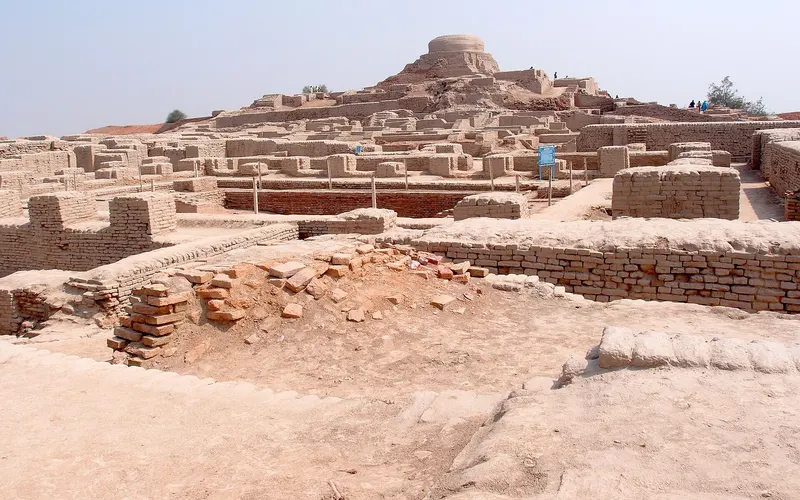
Prehistory & Indus Valley Quiz: Ancient Indian History Practice
10 exam-style questions on the Stone Ages and the Harappan civilisation. Key sites, finds, discoverers and features, with explanations.
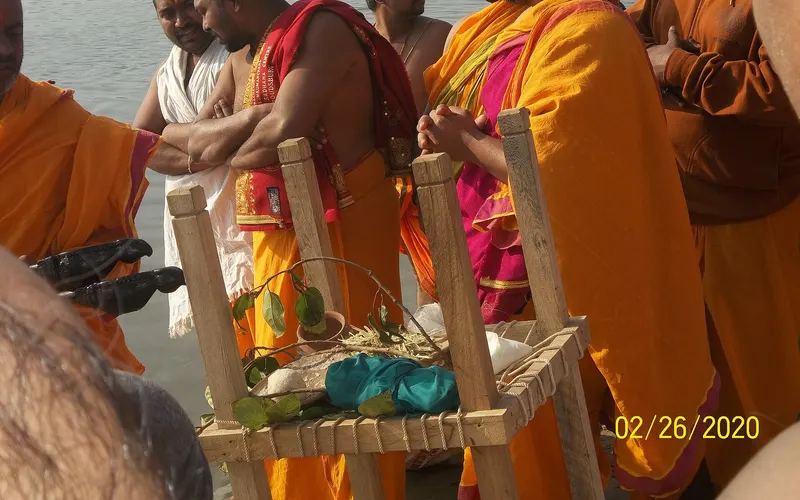
Vedic Age Quiz: Ancient Indian History Practice
10 exam-style questions on the Vedas, Upanishads, Rigvedic and later Vedic society, assemblies, gods and rivers, with explanations.
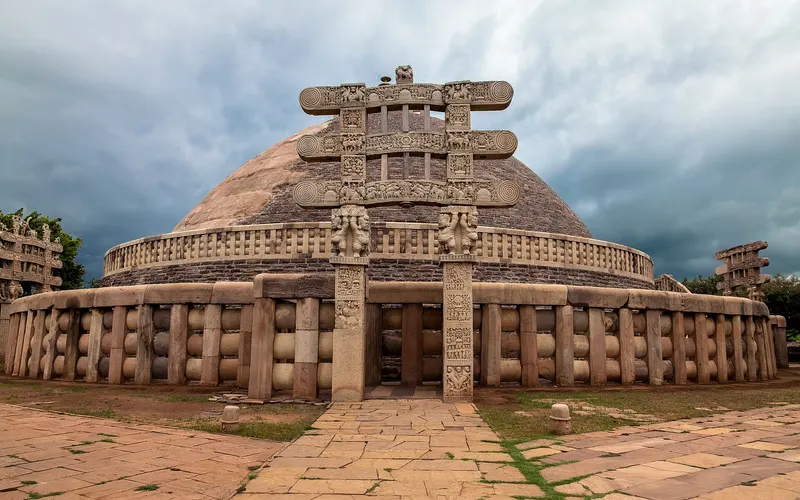
Buddhism & Jainism Quiz: Ancient Indian History Practice
10 exam-style questions on the Buddha and Mahavira, their teachings, councils, sects, texts and sacred places, with explanations.
Guptas & Early Medieval Kingdoms Quiz: Indian History Practice
10 exam-style questions on the Guptas, Harsha, Chalukyas, Pallavas, Rashtrakutas, Palas, Pratiharas and Cholas, with explanations.