
Guptas & Early Medieval Kingdoms Quiz: Indian History Practice
10 exam-style questions on the Guptas, Harsha, Chalukyas, Pallavas, Rashtrakutas, Palas, Pratiharas and Cholas, with explanations.
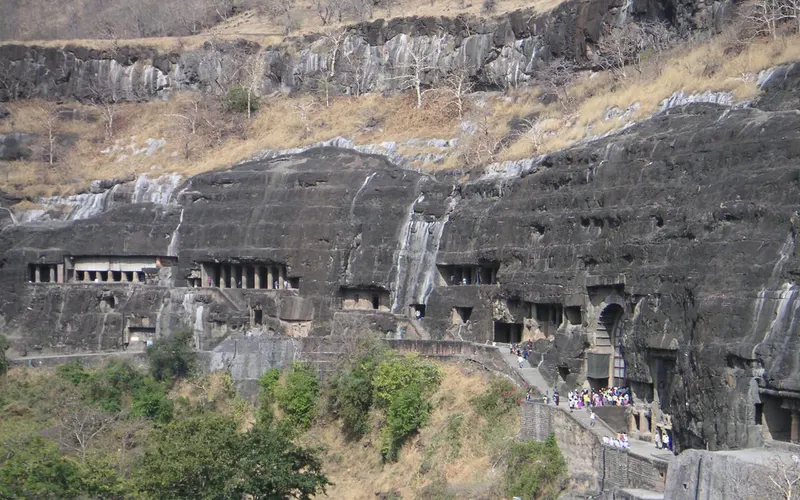
Guptas & Early Medieval Kingdoms Quiz: Indian History Practice
Tip: use keys 1-4 to answer, Enter for next.
Answers to the starter quiz
Spoilers! These are the Starter quiz’s answers. Easy, Medium, Hard and Mixed rounds show their own answers when you finish.
The Allahabad Pillar inscription (Prayag Prashasti) of Samudragupta was composed by:
- Ravikirti
- Harisena
- Banabhatta
- Kalidasa
Answer: Harisena. Harisena, Samudragupta's court poet, engraved it on an Ashokan pillar, listing the kings Samudragupta defeated.
Which Chinese pilgrim visited India during the reign of Chandragupta II?
- Hiuen Tsang
- I-Tsing
- Fa-Hien
- Sung Yun
Answer: Fa-Hien. Fa-Hien (Faxian) travelled in India in the early 5th century and described a peaceful, prosperous land. Hiuen Tsang came later, under Harsha.
The Nalanda mahavihara was founded by which ruler?
- Kumaragupta I
- Harshavardhana
- Dharmapala
- Skandagupta
Answer: Kumaragupta I. Kumaragupta I founded it in the 5th century CE. Harsha and the Pala kings were later patrons.
Which Chalukya king defeated Harshavardhana on the banks of the Narmada?
- Vikramaditya I
- Kirtivarman I
- Pulakeshin I
- Pulakeshin II
Answer: Pulakeshin II. Pulakeshin II of Badami stopped Harsha's southward advance. His victory is praised in the Aihole inscription of Ravikirti.
The rock-cut Kailasa temple at Ellora was built under which Rashtrakuta ruler?
- Krishna I
- Amoghavarsha I
- Dantidurga
- Govinda III
Answer: Krishna I. Krishna I had the temple carved from a single rock in the 8th century. Dantidurga founded the Rashtrakuta dynasty.
The Brihadeshwara temple at Thanjavur was built by:
- Rajendra I
- Rajaraja I
- Parantaka I
- Kulottunga I
Answer: Rajaraja I. Rajaraja I completed it around 1010 CE. His son Rajendra I built a similar temple at his new capital, Gangaikondacholapuram.
The Uttaramerur inscriptions are an important source for:
- the Chola naval expedition to Srivijaya
- the Pallava–Chalukya wars
- elections to village assemblies under the Cholas
- land grants to Buddhist monasteries
Answer: elections to village assemblies under the Cholas. Inscriptions of Parantaka I at Uttaramerur lay down qualifications and a lot system for choosing members of the village sabha.
The "tripartite struggle" for control of Kannauj was fought among:
- the Cholas, Chalukyas and Pallavas
- the Palas, Pratiharas and Rashtrakutas
- the Pratiharas, Chandelas and Paramaras
- the Palas, Senas and Cholas
Answer: the Palas, Pratiharas and Rashtrakutas. From the 8th to the 10th century the Palas of Bengal, the Gurjara-Pratiharas and the Rashtrakutas of the Deccan fought over Kannauj.
Which Gupta ruler is depicted playing the veena on his gold coins?
- Chandragupta I
- Kumaragupta I
- Skandagupta
- Samudragupta
Answer: Samudragupta. Samudragupta's "lyrist" coins show him playing the veena, matching the Prayag Prashasti's praise of his music and poetry.
The monolithic rathas at Mamallapuram are mainly attributed to which Pallava king?
- Mahendravarman I
- Nandivarman II
- Narasimhavarman II
- Narasimhavarman I
Answer: Narasimhavarman I. Narasimhavarman I, called Mamalla, sponsored the five rathas. The Shore Temple came later, under Narasimhavarman II (Rajasimha).
Play next
All history & culture quizzes →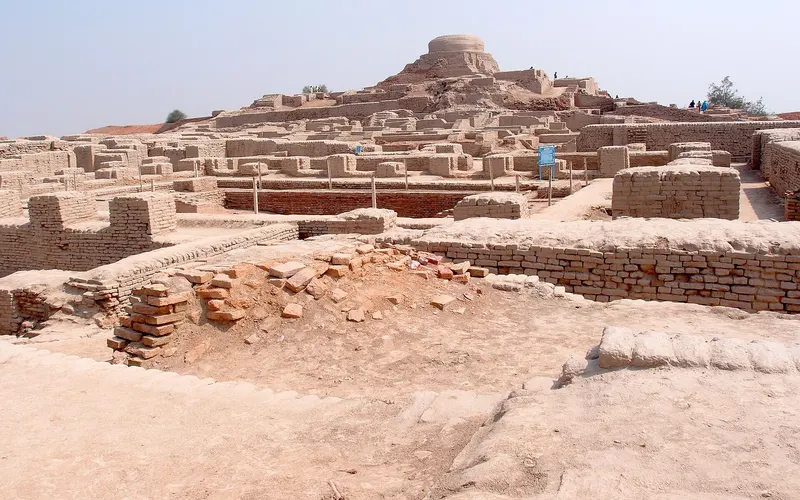
Prehistory & Indus Valley Quiz: Ancient Indian History Practice
10 exam-style questions on the Stone Ages and the Harappan civilisation. Key sites, finds, discoverers and features, with explanations.
Vedic Age Quiz: Ancient Indian History Practice
10 exam-style questions on the Vedas, Upanishads, Rigvedic and later Vedic society, assemblies, gods and rivers, with explanations.
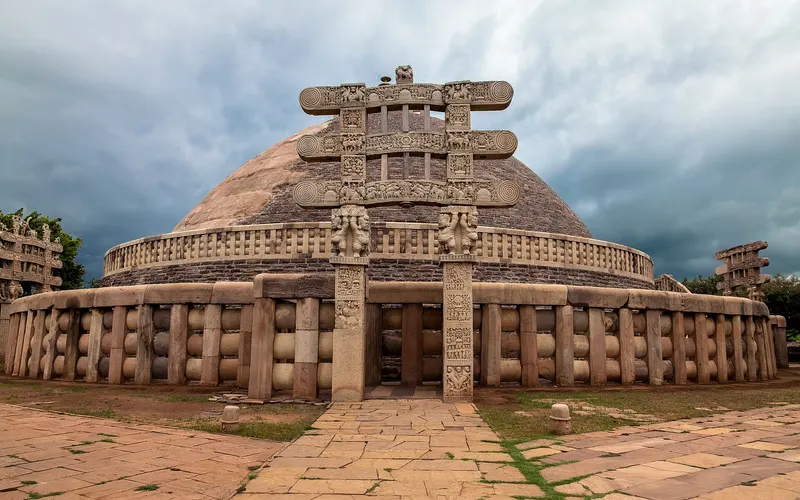
Buddhism & Jainism Quiz: Ancient Indian History Practice
10 exam-style questions on the Buddha and Mahavira, their teachings, councils, sects, texts and sacred places, with explanations.
Mauryan & Post-Mauryan India Quiz: Ancient Indian History Practice
10 exam-style questions on the Mauryas, Ashoka's edicts, the Shungas, Satavahanas, Indo-Greeks, Shakas and Kushanas, with explanations.