
World Geography Quiz: Physical & Economic Geography of the World
10 questions on world geography: straits and canals, grasslands, deserts, lakes, islands, ocean trenches, the equator and key mining and industrial regions.
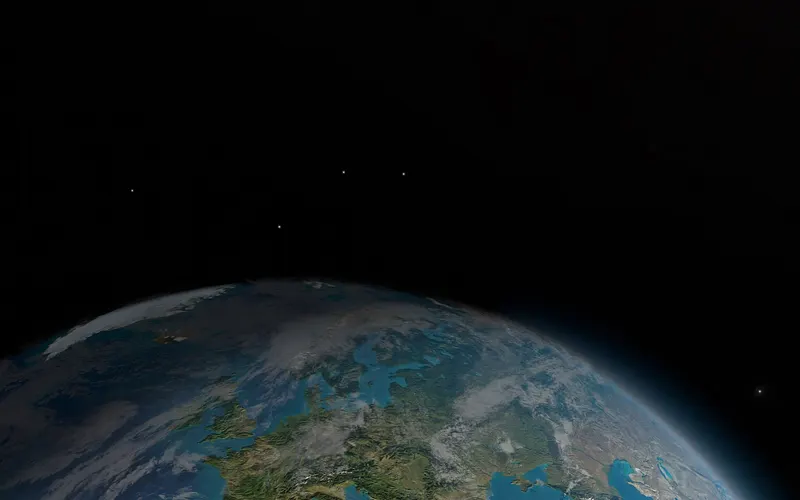
World Geography Quiz: Physical & Economic Geography of the World
Tip: use keys 1-4 to answer, Enter for next.
Answers to the starter quiz
Spoilers! These are the Starter quiz’s answers. Easy, Medium, Hard and Mixed rounds show their own answers when you finish.
Which strait connects the Persian Gulf with the Gulf of Oman?
- Strait of Hormuz
- Bab-el-Mandeb
- Strait of Malacca
- Strait of Gibraltar
Answer: Strait of Hormuz. The Strait of Hormuz lies between Iran and Oman and is a vital route for oil tankers. Bab-el-Mandeb links the Red Sea with the Gulf of Aden.
The temperate grasslands of Argentina are called the:
- Prairies
- Pampas
- Veld
- Steppes
Answer: Pampas. Temperate grasslands have regional names: Prairies (North America), Pampas (Argentina), Steppes (Eurasia), Veld (South Africa) and Downs (Australia).
The Mariana Trench, which contains the deepest known point on Earth, is in the:
- Atlantic Ocean
- Indian Ocean
- Pacific Ocean
- Arctic Ocean
Answer: Pacific Ocean. Its Challenger Deep is about 11 km below sea level. Trenches form where one plate subducts beneath another, here along the western Pacific.
The Suez Canal connects:
- The Atlantic and Pacific Oceans
- The Black Sea and the Mediterranean Sea
- The Red Sea and the Arabian Sea
- The Mediterranean Sea and the Red Sea
Answer: The Mediterranean Sea and the Red Sea. Opened in 1869 in Egypt, it shortened the sea route between Europe and Asia. The Panama Canal links the Atlantic and Pacific.
Which is the largest island in the world?
- Greenland
- New Guinea
- Borneo
- Madagascar
Answer: Greenland. Greenland is the largest island; Australia is treated as a continent, not an island. New Guinea and Borneo come next.
Lake Baikal, the deepest freshwater lake in the world, is located in:
- Canada
- Kazakhstan
- Russia
- Mongolia
Answer: Russia. Baikal lies in Siberia, Russia, and is also among the oldest lakes. The Caspian Sea is the largest lake by area; Lake Superior is the largest freshwater lake by area.
The Ruhr region, a major coal-based industrial region of Europe, is in:
- France
- Poland
- Belgium
- Germany
Answer: Germany. The Ruhr valley grew around coal, iron and steel, helped by the Rhine waterway for cheap transport.
The equator does NOT pass through which of these countries?
- Kenya
- Nigeria
- Brazil
- Indonesia
Answer: Nigeria. The equator crosses Ecuador, Colombia, Brazil, Gabon, the Congo, DR Congo, Uganda, Kenya, Somalia, the Maldives' waters and Indonesia, among others. Nigeria lies wholly north of it.
The Atacama, one of the driest deserts on Earth, lies mainly in:
- Peru
- Chile
- Mexico
- Namibia
Answer: Chile. It lies in the rain shadow of the Andes and beside the cold Humboldt (Peru) Current, which keeps the coastal air dry. The Namib in Africa is formed similarly by the Benguela Current.
Chile is the world's leading producer of which mineral, mined at sites such as Chuquicamata and Escondida?
- Tin
- Bauxite
- Copper
- Diamond
Answer: Copper. The Andes of Chile and Peru hold some of the world's largest copper deposits, and copper is Chile's main export.
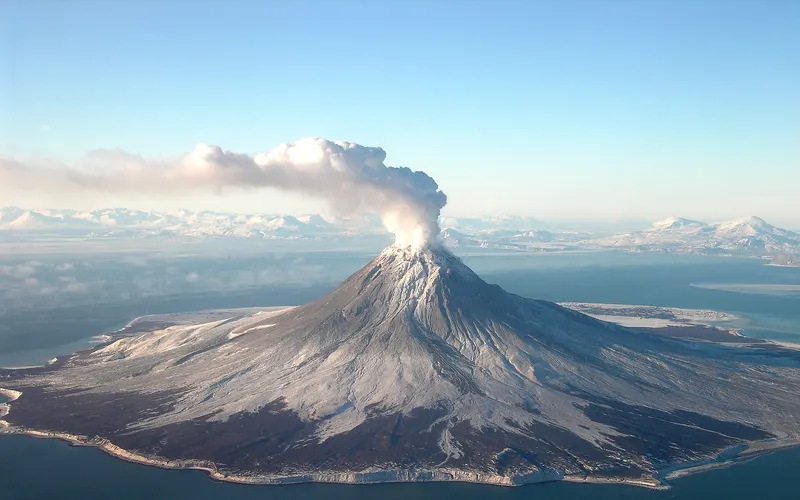
Geomorphology Quiz: Interior of the Earth, Plate Tectonics & Landforms
10 questions on the Earth's interior, seismic waves, plate boundaries, rocks, earthquakes and landforms made by rivers, wind, ice and groundwater.
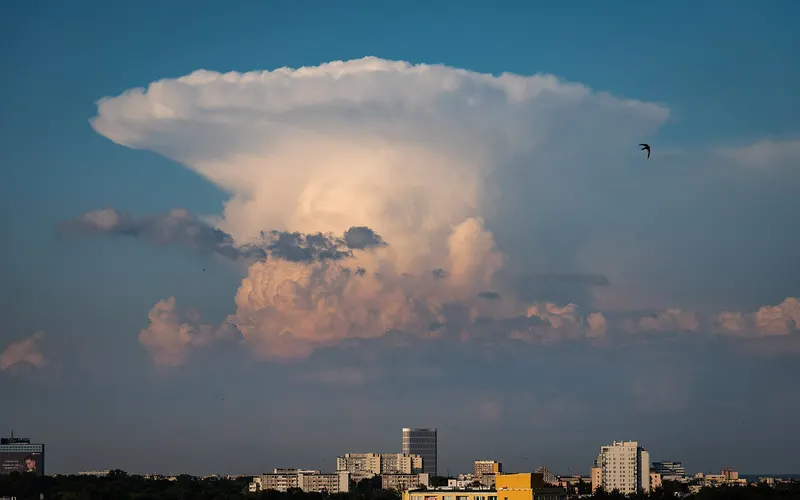
Climatology & Oceanography Quiz: Physical Geography Practice
10 questions on atmospheric layers, pressure belts, planetary and local winds, cyclones, ocean currents and tides. Physical geography with explanations.
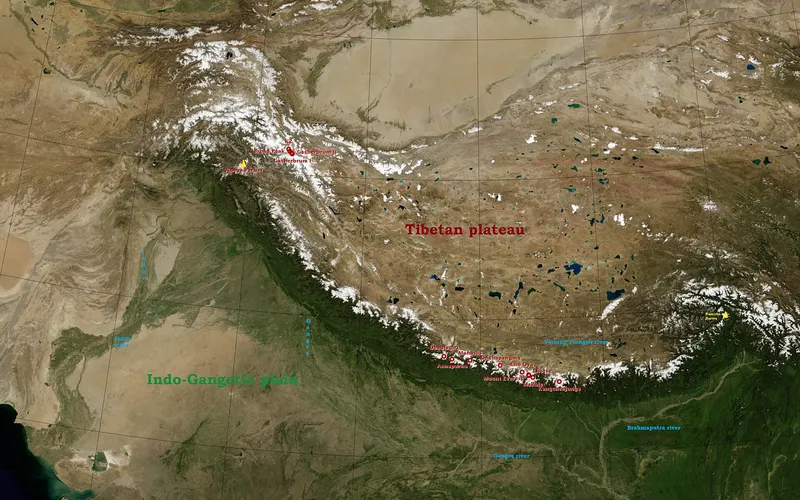
Physiography of India Quiz: Himalayas, Plains, Plateau, Coasts & Islands
10 questions on India's physical divisions: Himalayan ranges, bhabar and khadar, peninsular hills and peaks, coastal plains and island groups.
Indian Climate & Monsoon Quiz: Seasons, Winds and Rainfall
10 questions on India's monsoon climate: onset and retreat, western disturbances, pre-monsoon showers, local winds, rain shadow areas and El Nino.