
Minerals, Energy & Industries Quiz: Indian Geography Practice
10 questions on India's iron ore, mica, bauxite, coal, oil and nuclear resources and the location of steel, jute and textile industries.
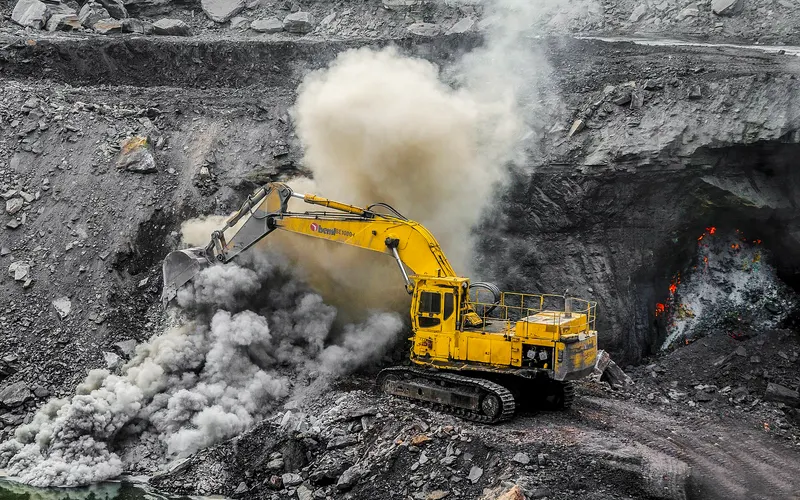
Minerals, Energy & Industries Quiz: Indian Geography Practice
Tip: use keys 1-4 to answer, Enter for next.
Answers to the starter quiz
Spoilers! These are the Starter quiz’s answers. Easy, Medium, Hard and Mixed rounds show their own answers when you finish.
Which iron ore has the highest iron content?
- Haematite
- Magnetite
- Limonite
- Siderite
Answer: Magnetite. Magnetite contains up to about 70% iron and has magnetic properties. Haematite (about 50–60%) is the most important ore in industrial use.
The Koderma–Gaya–Hazaribagh belt of Jharkhand and Bihar is famous for which mineral?
- Copper
- Bauxite
- Manganese
- Mica
Answer: Mica. Mica splits into thin sheets and is an excellent electrical insulator, used in the electrical and electronics industries.
Neyveli in Tamil Nadu is known for deposits of:
- Lignite
- Anthracite
- Natural gas
- Uranium
Answer: Lignite. Lignite is low-grade brown coal with high moisture. Neyveli's lignite is used for power generation. Anthracite is the highest-quality hard coal.
Bauxite is the main ore of which metal?
- Copper
- Zinc
- Aluminium
- Tin
Answer: Aluminium. Bauxite forms by the decomposition of rocks rich in aluminium silicates. Major deposits occur on plateaus such as Amarkantak, the Maikal hills and the Koraput region of Odisha.
The monazite sands of the Kerala coast are an important source of:
- Uranium
- Thorium
- Titanium only
- Gold
Answer: Thorium. Monazite contains thorium, a key fuel for the third stage of India's nuclear power programme. Uranium is mined at Jaduguda in Jharkhand.
Digboi, one of the oldest oil fields in India, is located in:
- Gujarat
- Maharashtra
- Rajasthan
- Assam
Answer: Assam. Digboi in Assam has produced oil since the late 19th century. Other important areas are Mumbai High (offshore) and Ankleshwar in Gujarat.
The Rourkela steel plant in Odisha was set up with the collaboration of:
- West Germany
- The Soviet Union
- The United Kingdom
- Japan
Answer: West Germany. In the second Five Year Plan, three public sector plants were set up: Rourkela (West Germany), Bhilai (Soviet Union) and Durgapur (United Kingdom).
India's first nuclear power station was commissioned in 1969 at:
- Kalpakkam
- Narora
- Tarapur
- Rawatbhata
Answer: Tarapur. Tarapur in Maharashtra was the first. Other plants include Rawatbhata (Rajasthan), Kalpakkam and Kudankulam (Tamil Nadu), Narora (UP), Kakrapar (Gujarat) and Kaiga (Karnataka).
The Jharia and Raniganj coalfields lie in the valley of the:
- Mahanadi
- Damodar
- Godavari
- Son
Answer: Damodar. Most of India's good-quality coal is Gondwana coal of the Damodar valley in Jharkhand and West Bengal. Tertiary coal occurs in the north-east.
Jute mills in India are concentrated along the Hooghly river mainly because of:
- Nearness to iron ore mines
- Availability of hydroelectricity
- Cold climate needed for spinning
- Nearness to jute-growing areas, plenty of water and cheap transport
Answer: Nearness to jute-growing areas, plenty of water and cheap transport. The Hooghly basin offers raw jute from the delta, water for processing, river, rail and road transport, a large labour force and port facilities at Kolkata.
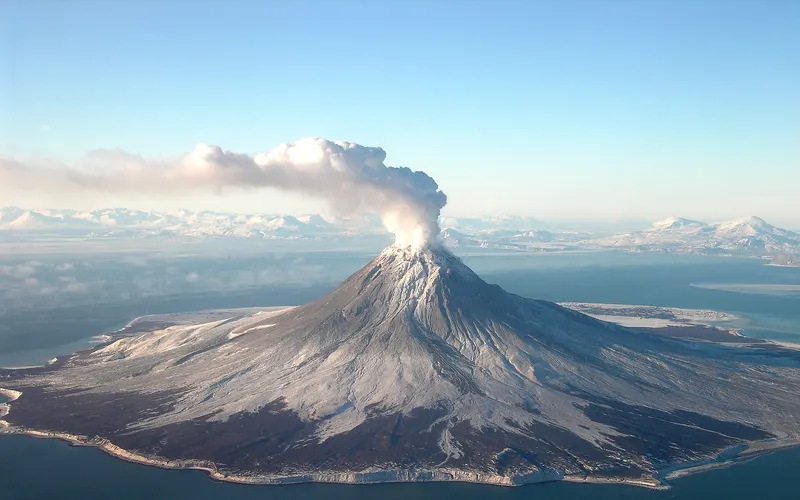
Geomorphology Quiz: Interior of the Earth, Plate Tectonics & Landforms
10 questions on the Earth's interior, seismic waves, plate boundaries, rocks, earthquakes and landforms made by rivers, wind, ice and groundwater.
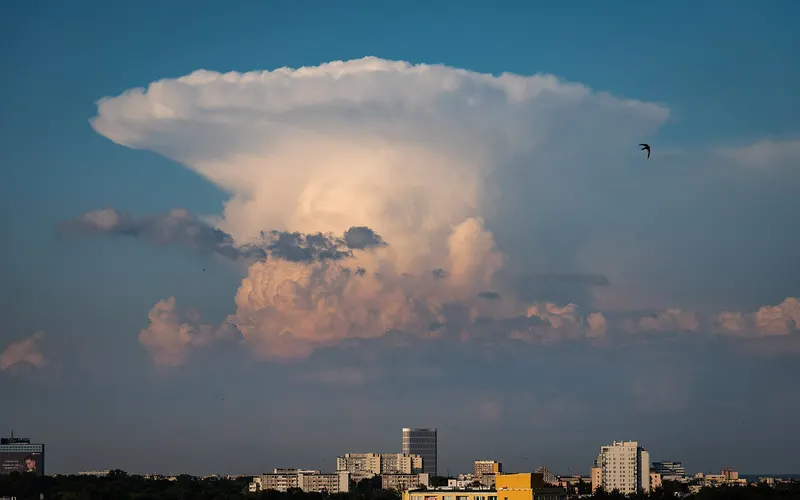
Climatology & Oceanography Quiz: Physical Geography Practice
10 questions on atmospheric layers, pressure belts, planetary and local winds, cyclones, ocean currents and tides. Physical geography with explanations.
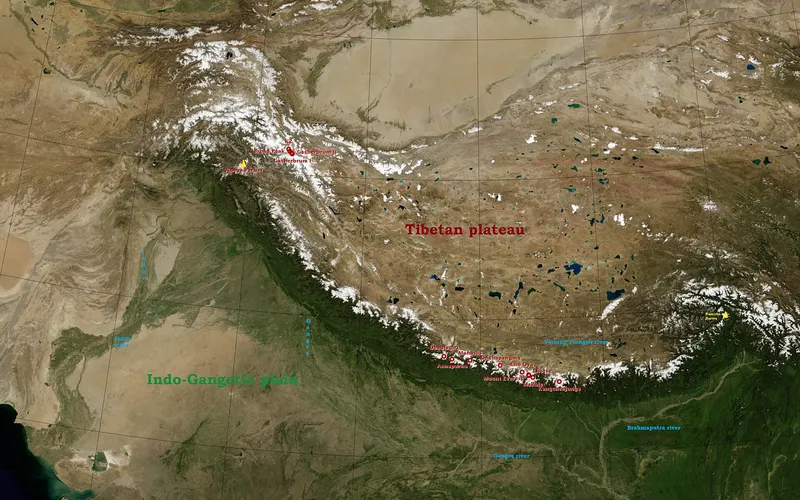
Physiography of India Quiz: Himalayas, Plains, Plateau, Coasts & Islands
10 questions on India's physical divisions: Himalayan ranges, bhabar and khadar, peninsular hills and peaks, coastal plains and island groups.
Indian Climate & Monsoon Quiz: Seasons, Winds and Rainfall
10 questions on India's monsoon climate: onset and retreat, western disturbances, pre-monsoon showers, local winds, rain shadow areas and El Nino.