
Festivals of India
Take this Indian festivals quiz on Diwali, Holi, Eid, Onam and more. Fifteen questions on the stories, foods and customs behind India's biggest celebrations, each with a short note.
15 questionsMedium~3 minNo timer
Updated:
If you liked this
Trending today
 Bollywood QuizBollywood
 India GK Question Answer Quiz (Indian GK)General Knowledge
 Cricket World Cup QuizSports
 सामान्य ज्ञान प्रश्न (GK in Hindi Questions)Hindi
 Guess the FlagGeography
 Current Affairs Quiz (October 2026)Current Affairs
 Friends TV Series QuizMovies & TV
 KBC क्विज़ (KBC Hindi Quiz)Hindi
 F1 Quiz (Formula 1)Sports
 Naruto QuizAnime & Games
About this Indian Festivals quiz
This Indian festivals quiz travels across the country's calendar in 15 questions, from lamps and colours in the north to flower carpets in Kerala, river rituals in Bihar and masked dances in the Himalayas. Each question starts from a story, a custom or a food that people already know, then asks you to place the festival, the legend or the region behind it.
It suits school assemblies, office celebrations in the festive season and family quiz nights. The questions are written for a general audience, so no special reading is needed, though some knowledge of the epics and of regional harvest festivals helps. Every answer comes with a short note on the custom behind it, so the quiz doubles as a quick lesson on why India celebrates the way it does.
India's festivals run on several calendars at once. Many Hindu festivals follow lunar months, so their dates shift every year. Harvest festivals tied to the sun, such as Makar Sankranti and Baisakhi, stay close to the same date. Islamic festivals follow a purely lunar calendar and arrive about eleven days earlier each year. That mix is why the festive season never looks quite the same twice, and why one festival can carry a different name in every state.
Indian Festivals questions with answers
Show answers
These lamps were first lit to welcome a prince home after 14 years of exile. Which city welcomed him?
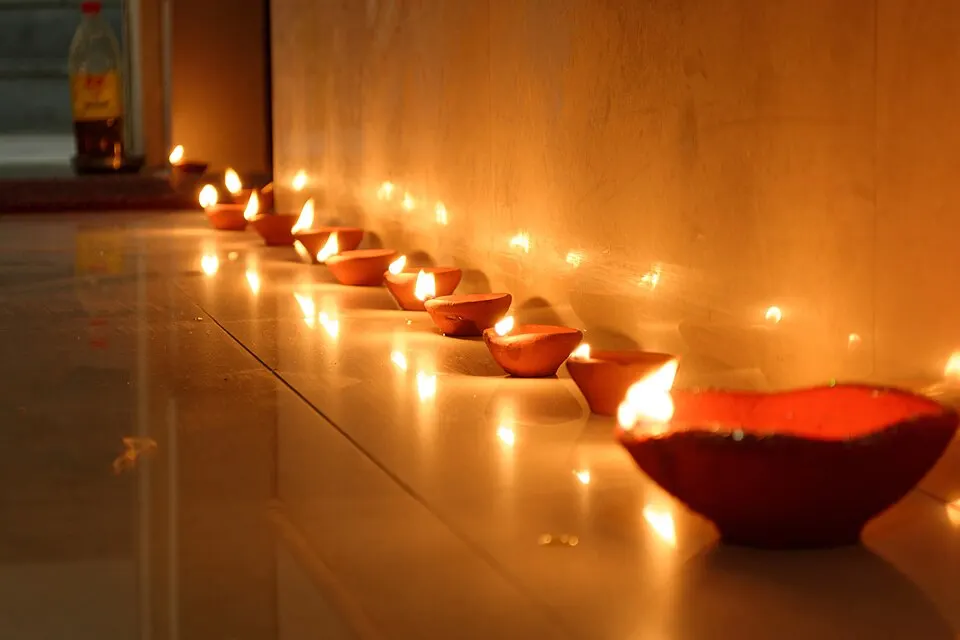
Photo: Slyronit, CC BY-SA 4.0, via Wikimedia Commons - Varanasi
- Dwarka
- Ayodhya
- Mathura
Answer: Ayodhya. Rama returned to Ayodhya after defeating Ravana, and the city lit rows of diyas for him. Diwali keeps that welcome alive.
Holika had a boon against fire, yet she burned while her young nephew walked out unhurt. Name him.
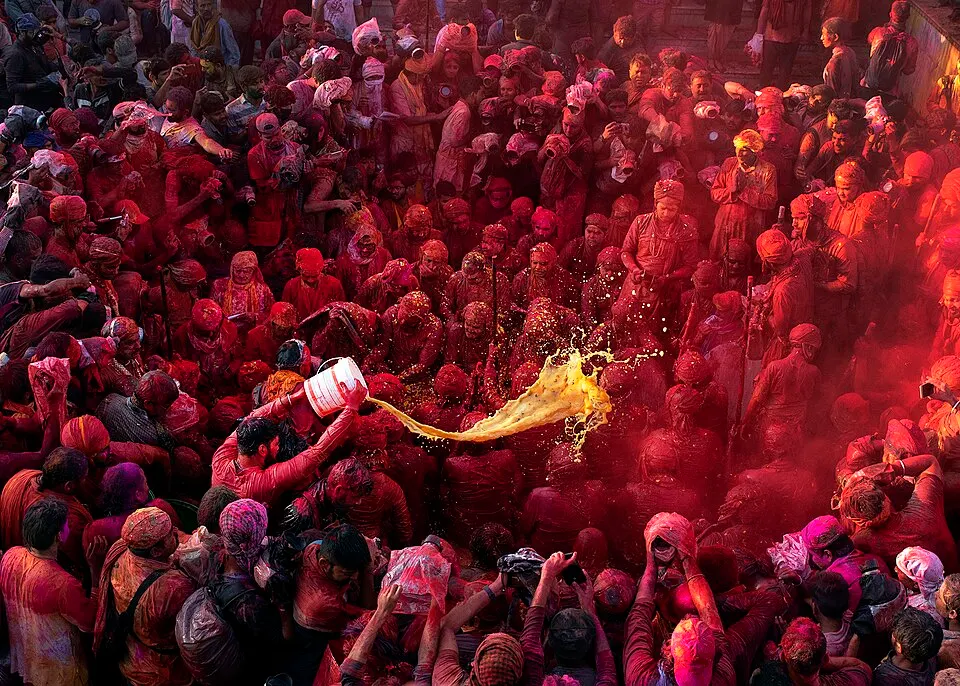
Photo: Avra10, CC BY-SA 4.0, via Wikimedia Commons - Nachiketa
- Prahlad
- Dhruva
- Markandeya
Answer: Prahlad. Prahlad, the boy devotee of Vishnu, survived. The Holika bonfire the night before Holi marks good beating evil.
Vamana pushed this king down to the netherworld, but Kerala welcomes him back every year with flower carpets. Who is he?
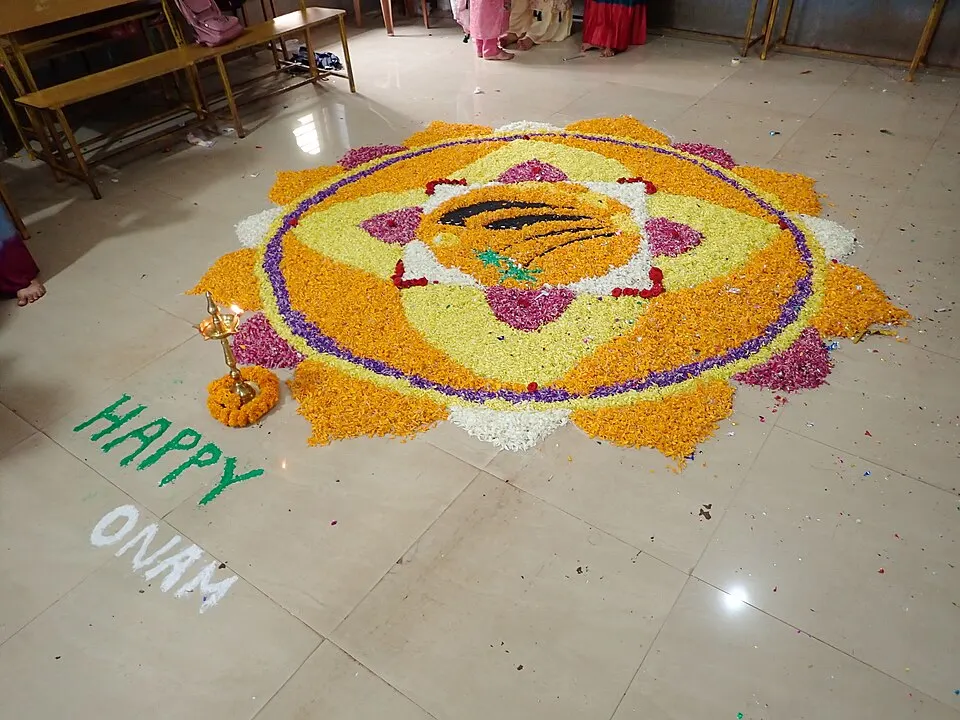
Photo: Shreesha Sharma, CC BY-SA 4.0, via Wikimedia Commons - Harishchandra
- Bhoja
- Vikramaditya
- Mahabali
Answer: Mahabali. Mahabali asked to visit his people once a year, and Onam is that homecoming. The flower carpets are called pookalam.
At this Tamil harvest festival a pot is boiled till it spills over, and the festival's name means just that. What new harvest goes in?
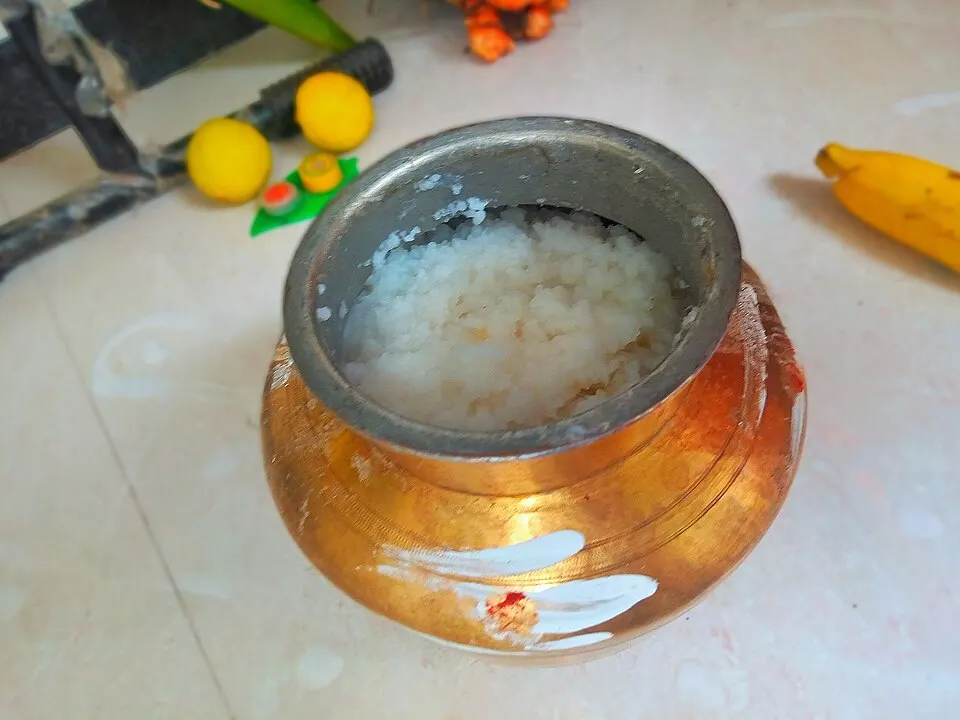
Photo: Lohith Aswa M, CC BY-SA 4.0, via Wikimedia Commons - Wheat
- Lentils
- Rice
- Millet
Answer: Rice. Pongal means 'boiling over'. Freshly harvested rice is cooked with milk and jaggery till it overflows, a sign of plenty.
Eid al-Fitr, which ends the Ramadan fast, is often called Meethi Eid in India after a sweet dish of vermicelli, milk and dates. Name it.
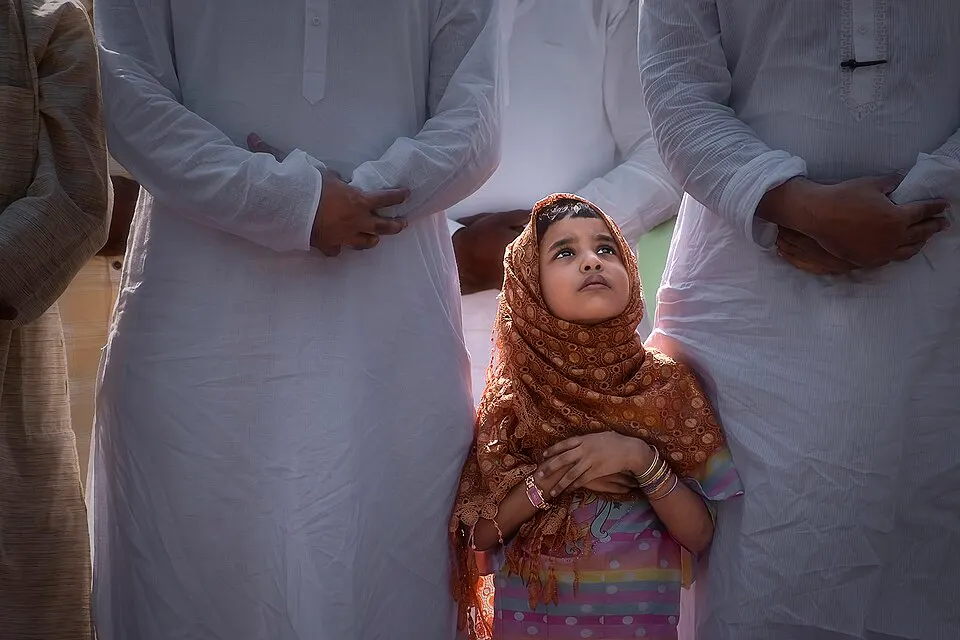
Photo: Susovan Chakraborty5, CC BY-SA 4.0, via Wikimedia Commons - Phirni
- Sheer khurma
- Shahi tukda
- Gajar halwa
Answer: Sheer khurma. Sheer khurma is Persian for 'milk with dates'. Families serve it to guests on Eid morning.
Each December, Naga tribes gather at Kisama heritage village for a festival named after a big-beaked bird. Which state capital is just down the road?
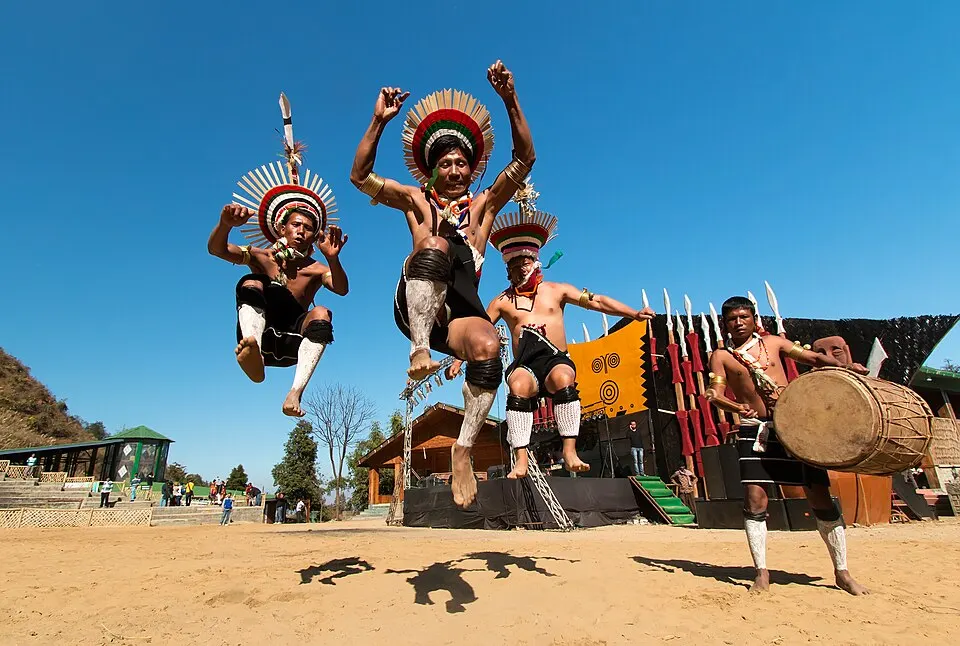
Photo: Vikramjit Kakati, CC BY-SA 4.0, via Wikimedia Commons - Imphal
- Aizawl
- Kohima
- Shillong
Answer: Kohima. Kisama is about 10 km from Kohima. The Hornbill Festival opens on 1 December, Nagaland's Statehood Day, and runs for ten days.
Devotees stand waist-deep in water at sunset and again at dawn like this. Which god do they honour?
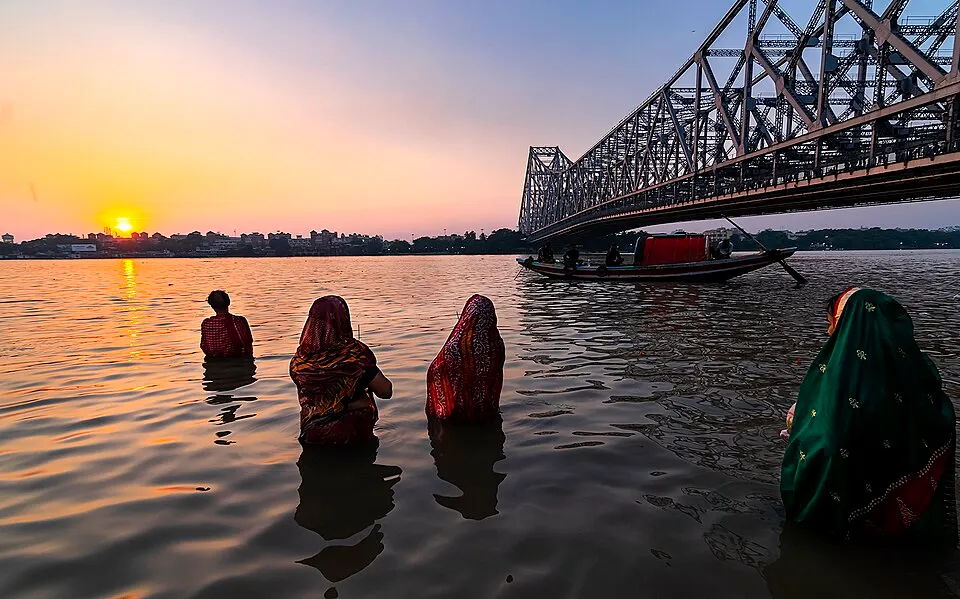
Photo: Susovan Chakraborty5, CC BY-SA 4.0, via Wikimedia Commons - Varuna
- Indra
- Agni
- Surya
Answer: Surya. Chhath honours Surya, with arghya offered to the setting and then the rising sun, mainly in Bihar and eastern Uttar Pradesh.
Skies fill with kites like this on the January day the sun enters the sign of Makar. What is Makar in English?
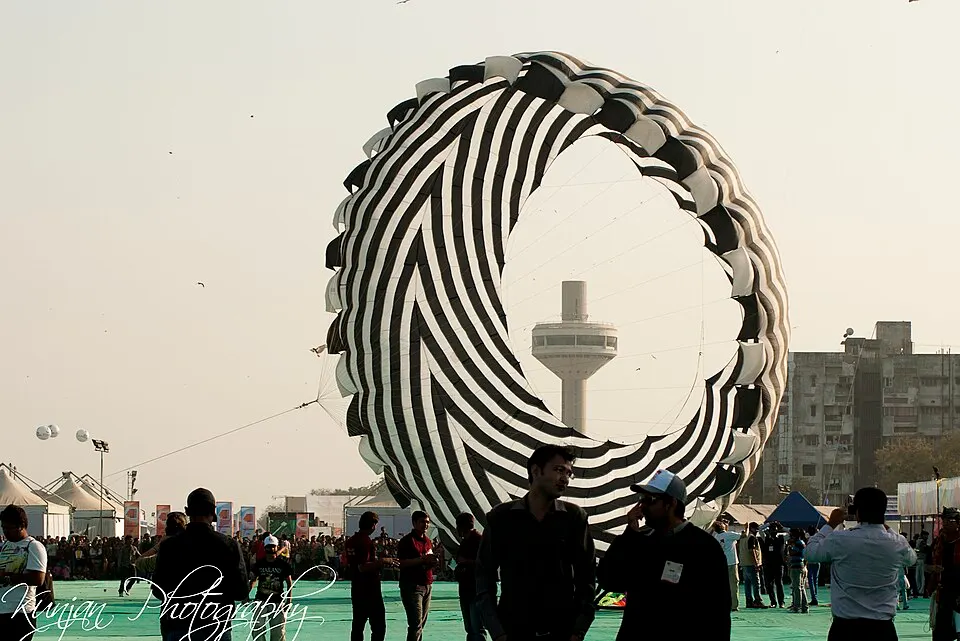
Photo: wedstories.studio, CC BY-SA 2.0, via Wikimedia Commons - Aquarius
- Capricorn
- Sagittarius
- Pisces
Answer: Capricorn. Makar Sankranti marks the sun's move into Capricorn and the start of its northward journey. Gujarat calls it Uttarayan and flies kites all day.
Bhangra and ripe wheat mark Baisakhi in Punjab. For Sikhs, the day also recalls Guru Gobind Singh founding what at Anandpur Sahib?
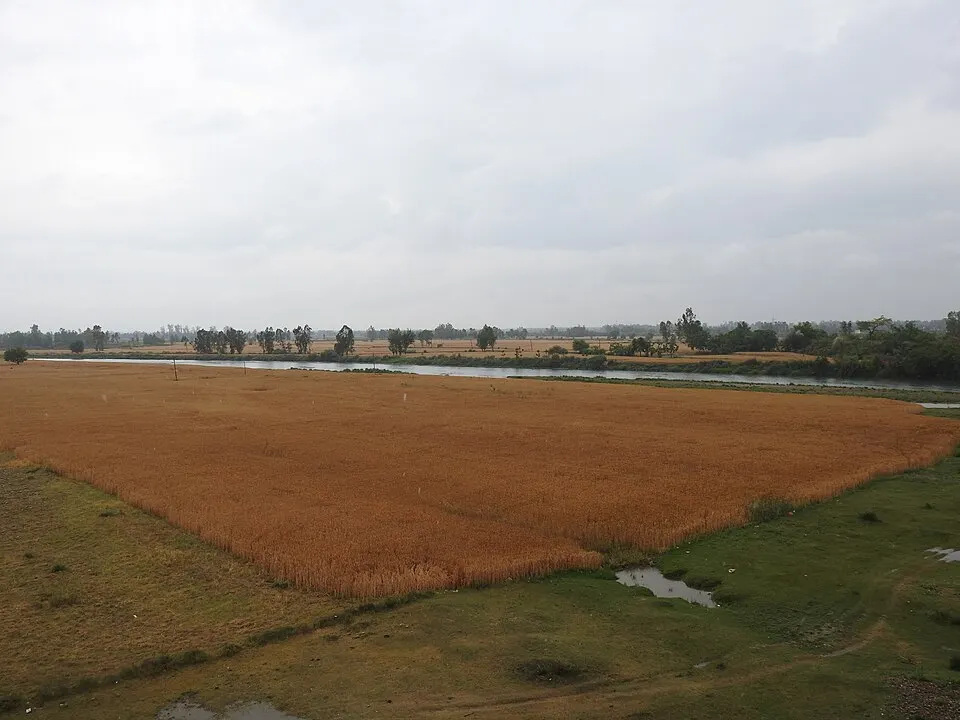
Photo: Harvinder Chandigarh, CC BY-SA 4.0, via Wikimedia Commons - The Khalsa
- The city of Amritsar
- The langar
- The Golden Temple
Answer: The Khalsa. Guru Gobind Singh created the Khalsa on Baisakhi in 1699, with the Panj Pyare as its first members.
Drops of amrit are said to have fallen at the four cities of this mela. Which of these is NOT one of them?
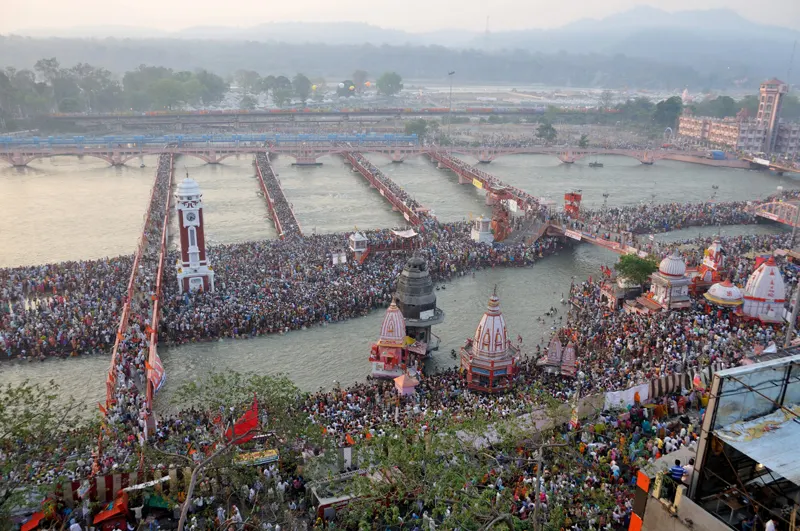
Photo: Coupdoeil / Philipp Eyer, CC BY-SA 3.0, via Wikimedia Commons - Ujjain
- Nashik
- Haridwar
- Varanasi
Answer: Varanasi. The Kumbh rotates between Prayagraj, Haridwar, Ujjain and Nashik. Varanasi is holy, but it has no Kumbh.
UNESCO added this Kolkata festival to its heritage list in 2021, praising its clay idols, themed pandals and river immersions. Which festival?
- Kali Puja
- Durga Puja
- Saraswati Puja
- Rath Yatra
Answer: Durga Puja. Durga Puja in Kolkata joined UNESCO's Representative List of Intangible Cultural Heritage in December 2021.
Assam rings in its new year in mid-April with dhol drums and a folk dance that shares the festival's name. Name it.
- Bihu
- Lohri
- Vishu
- Ugadi
Answer: Bihu. Bihu, also called Bohag Bihu or Rongali Bihu, takes its name from Bohag, the first month of the Assamese calendar. Assam also marks Magh Bihu and Kati Bihu.
Masked monks dance in a monastery courtyard near Leh to mark the birth anniversary of Guru Padmasambhava. Which festival is it?
- Losar
- Saga Dawa
- Hemis Festival
- Sindhu Darshan
Answer: Hemis Festival. The Hemis Festival is held at Hemis Monastery in Ladakh in June or July, with masked cham dances as its highlight.
Ganesh Chaturthi was mostly a family puja until the 1890s, when this leader promoted it as a public festival to unite people under British rule. Who?
- Bal Gangadhar Tilak
- Gopal Krishna Gokhale
- Lala Lajpat Rai
- Dadabhai Naoroji
Answer: Bal Gangadhar Tilak. Lokmanya Tilak backed public Ganeshotsav celebrations in Pune from 1893, partly to get round British limits on public gatherings.
Rows of decorated elephants face each other at this Kerala temple festival, while their riders race to swap bright parasols. Name it.
- Onam
- Aranmula Boat Race
- Theyyam
- Thrissur Pooram
Answer: Thrissur Pooram. The parasol swap is called kudamattam. Thrissur Pooram was started by Sakthan Thampuran, ruler of Cochin, in the late 1700s.
Frequently asked questions
Is Diwali on UNESCO's intangible heritage list?
Yes. UNESCO added Deepavali to its Representative List of the Intangible Cultural Heritage of Humanity in 2025. It joins other Indian entries such as Ramlila, the Kumbh Mela, yoga and Garba of Gujarat.
Why does Eid come on a different date every year?
Islamic months follow the moon, so the Islamic year is about 354 days long, roughly 11 days shorter than the solar year. Eid al-Fitr therefore arrives about 11 days earlier each year, once the new crescent moon is sighted.
Is this festivals quiz suitable for school students?
Yes. The questions suit students from about Class 6 upwards as well as adults, and each answer has a short explanation that teachers can use in an assembly or a festival-week class.