
Biodiversity, Protected Areas & Wildlife Quiz: Flora & Fauna of India
10 questions on biodiversity hotspots, in-situ and ex-situ conservation, biosphere reserves, national parks and their animals, IUCN categories and survey bodies.
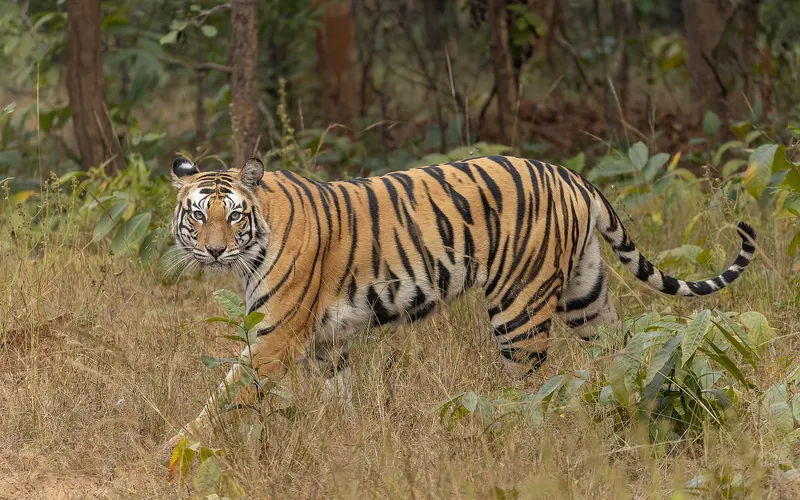
Biodiversity, Protected Areas & Wildlife Quiz: Flora & Fauna of India
Tip: use keys 1-4 to answer, Enter for next.
Answers to the starter quiz
Spoilers! These are the Starter quiz’s answers. Easy, Medium, Hard and Mixed rounds show their own answers when you finish.
Which of the following is NOT one of the biodiversity hotspots that cover parts of India?
- Himalaya
- Indo-Burma
- Sundaland
- Eastern Ghats
Answer: Eastern Ghats. India has parts of four hotspots: the Himalaya, Indo-Burma, the Western Ghats and Sri Lanka, and Sundaland (which includes the Nicobar Islands).
In a biosphere reserve, the zone kept legally protected and free from human interference is the:
- Transition zone
- Buffer zone
- Core zone
- Manipulation zone
Answer: Core zone. The core is strictly protected; the buffer around it allows research, education and limited use; the outer transition zone allows settlements and sustainable activities.
Keibul Lamjao, the world's only floating national park, home of the sangai deer, is in:
- Manipur
- Assam
- Meghalaya
- Tripura
Answer: Manipur. It lies on Loktak Lake, on floating masses of vegetation called phumdis. The sangai is the brow-antlered deer and the state animal of Manipur.
The Gir forest of Gujarat is the only natural home of the:
- One-horned rhinoceros
- Asiatic lion
- Snow leopard
- Wild ass
Answer: Asiatic lion. Gir is the last wild habitat of the Asiatic lion. The one-horned rhino is linked with Kaziranga; the Indian wild ass with the Little Rann of Kutch.
Which of the following is an example of ex-situ conservation?
- National park
- Sacred grove
- Biosphere reserve
- Seed bank
Answer: Seed bank. Ex-situ means conserving species outside their natural habitat — zoos, botanical gardens, seed and gene banks. Parks, sanctuaries, reserves and sacred groves are in-situ.
Dachigam National Park in Jammu and Kashmir is known for the:
- Hangul (Kashmir stag)
- Lion-tailed macaque
- Nilgiri tahr
- Red panda
Answer: Hangul (Kashmir stag). Dachigam near Srinagar shelters the hangul. The lion-tailed macaque is linked with Silent Valley in Kerala, and the Nilgiri tahr with Eravikulam.
On the IUCN Red List, which category indicates the highest risk of extinction in the wild among these?
- Vulnerable
- Endangered
- Critically Endangered
- Near Threatened
Answer: Critically Endangered. The order of threat is Least Concern, Near Threatened, Vulnerable, Endangered, Critically Endangered, Extinct in the Wild, Extinct. VU, EN and CR together are 'threatened'.
Consider the following statements about biodiversity hotspots: 1. A region must have at least 1,500 endemic vascular plant species. 2. A region must have lost at least 70% of its original native vegetation. Which of the statements given above is/are correct?
- 1 only
- 2 only
- Neither 1 nor 2
- Both 1 and 2
Answer: Both 1 and 2. These are the two criteria used by Conservation International, building on Norman Myers' 1988 hotspot idea: high endemism plus severe threat.
The Botanical Survey of India and the Zoological Survey of India both have their headquarters in:
- New Delhi
- Kolkata
- Dehradun
- Chennai
Answer: Kolkata. BSI (founded 1890) and ZSI (founded 1916) are headquartered in Kolkata. The Wildlife Institute of India is in Dehradun.
Which animal was declared India's National Aquatic Animal in 2009?
- Olive ridley turtle
- Dugong
- Mahseer
- Ganges river dolphin
Answer: Ganges river dolphin. The Ganges river dolphin is nearly blind and finds its way by echolocation; its presence signals a healthy river. The tiger is the national animal and the elephant the national heritage animal.
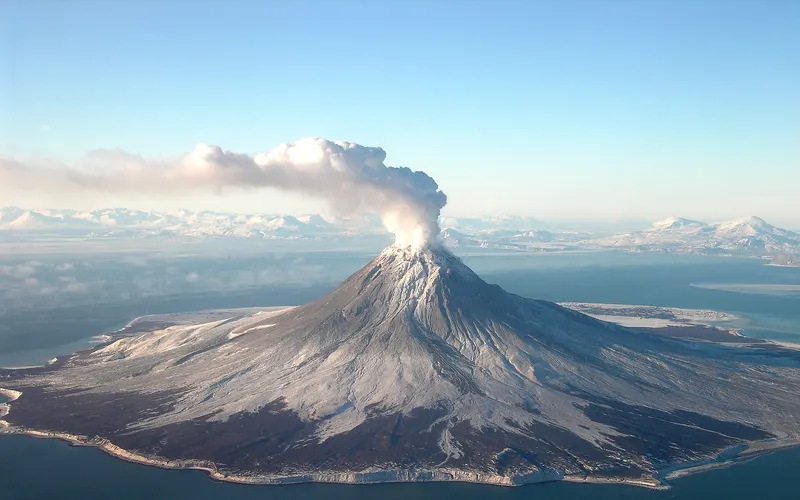
Geomorphology Quiz: Interior of the Earth, Plate Tectonics & Landforms
10 questions on the Earth's interior, seismic waves, plate boundaries, rocks, earthquakes and landforms made by rivers, wind, ice and groundwater.
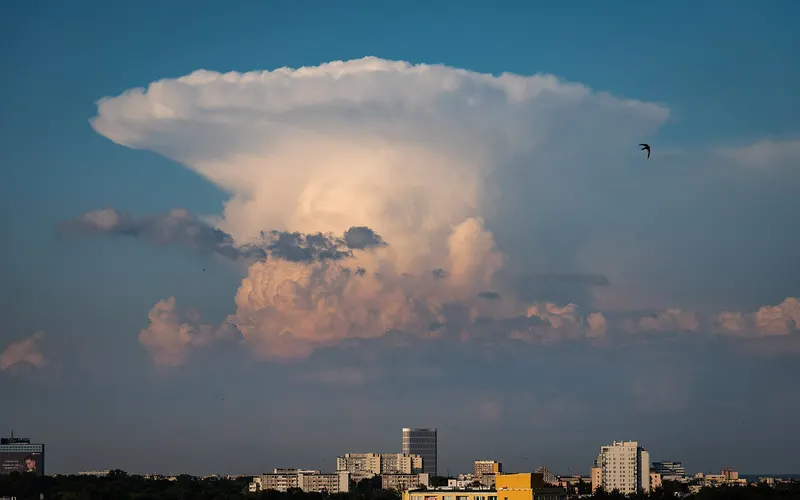
Climatology & Oceanography Quiz: Physical Geography Practice
10 questions on atmospheric layers, pressure belts, planetary and local winds, cyclones, ocean currents and tides. Physical geography with explanations.
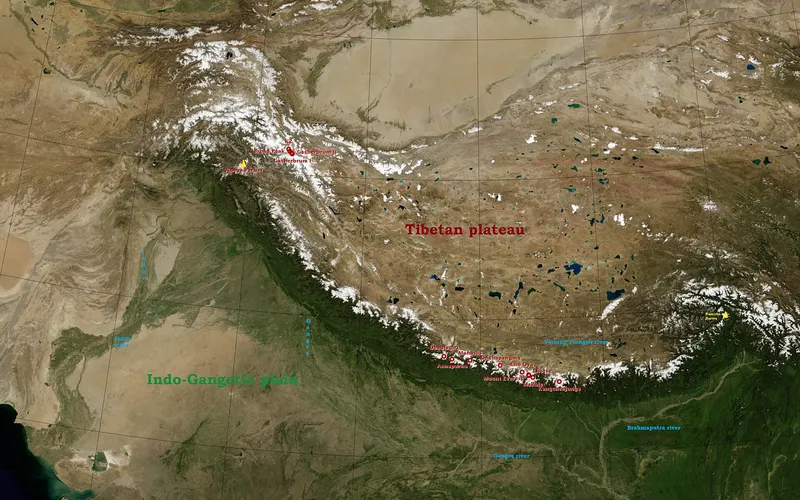
Physiography of India Quiz: Himalayas, Plains, Plateau, Coasts & Islands
10 questions on India's physical divisions: Himalayan ranges, bhabar and khadar, peninsular hills and peaks, coastal plains and island groups.
Indian Climate & Monsoon Quiz: Seasons, Winds and Rainfall
10 questions on India's monsoon climate: onset and retreat, western disturbances, pre-monsoon showers, local winds, rain shadow areas and El Nino.