
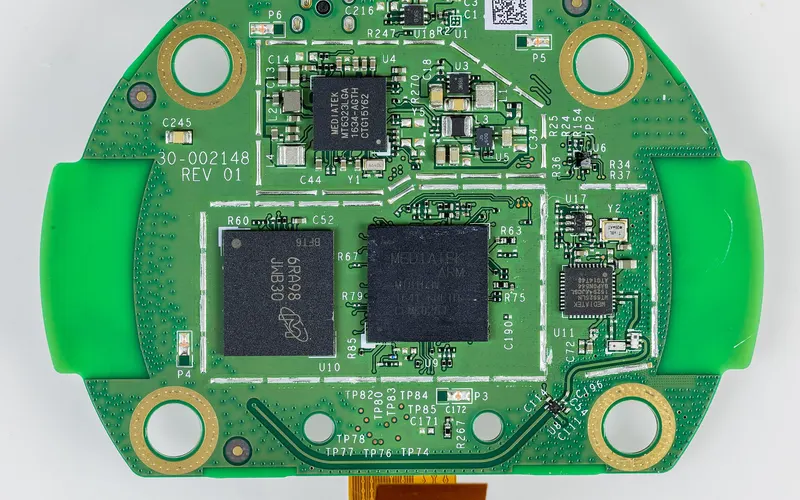
Computer Basics Quiz: Hardware, Memory, Internet & Abbreviations
10 exam-style questions on memory units, RAM and ROM, binary numbers, input and output devices, compilers, IP addresses, the web and cyber safety.
Computer Basics Quiz: Hardware, Memory, Internet & Abbreviations
Tip: use keys 1-4 to answer, Enter for next.
Answers to the starter quiz
Spoilers! These are the Starter quiz’s answers. Easy, Medium, Hard and Mixed rounds show their own answers when you finish.
One byte is made up of how many bits?
- 4 bits
- 8 bits
- 16 bits
- 1,024 bits
Answer: 8 bits. A byte is 8 bits; half a byte (4 bits) is a nibble. A bit is a single 0 or 1.
Which type of memory loses its contents when the power is switched off?
- ROM
- Hard disk
- RAM
- Flash drive
Answer: RAM. RAM is volatile working memory. ROM, hard disks and flash drives are non-volatile and keep data without power.
Which of the following is an output device?
- Scanner
- Plotter
- Joystick
- Light pen
Answer: Plotter. A plotter draws large, precise drawings such as maps and engineering designs. Scanner, joystick and light pen are input devices.
What is the binary equivalent of the decimal number 13?
- 1011
- 1110
- 1001
- 1101
Answer: 1101. 13 = 8 + 4 + 1, so the bits for 8, 4, 2, 1 are 1, 1, 0, 1 — giving 1101.
What does HTTP stand for?
- HyperText Transfer Protocol
- High Transfer Text Protocol
- HyperText Transmission Program
- Hyperlink Text Transfer Process
Answer: HyperText Transfer Protocol. HTTP is the protocol browsers use to fetch web pages. HTTPS adds encryption (the S stands for secure).
Which program translates an entire high-level-language program into machine code in one go, before it runs?
- Interpreter
- Assembler
- Compiler
- Loader
Answer: Compiler. A compiler translates the whole program at once; an interpreter translates and runs it line by line; an assembler converts assembly language.
An IPv4 address is how many bits long?
- 32
- 64
- 128
- 16
Answer: 32. IPv4 uses 32-bit addresses (about 4.3 billion). IPv6 was introduced with 128-bit addresses because IPv4 addresses were running out.
Who invented the World Wide Web?
- Vint Cerf
- Bill Gates
- Charles Babbage
- Tim Berners-Lee
Answer: Tim Berners-Lee. Tim Berners-Lee proposed the Web in 1989 at CERN. Vint Cerf co-designed TCP/IP, the protocols of the internet itself.
Which was India's first supercomputer, built by C-DAC in 1991?
- Pratyush
- PARAM 8000
- Mihir
- Aaditya
Answer: PARAM 8000. PARAM 8000 was developed by C-DAC, Pune, under Vijay Bhatkar. Pratyush, Mihir and Aaditya are much later weather and climate supercomputers.
Fake emails that imitate a bank to trick people into revealing passwords or OTPs are an example of:
- Phishing
- Firewalling
- Caching
- Booting
Answer: Phishing. Phishing uses fake messages or websites to steal credentials. A firewall is a defence, caching is fast temporary storage, booting is starting a computer.
Play next
All science quizzes →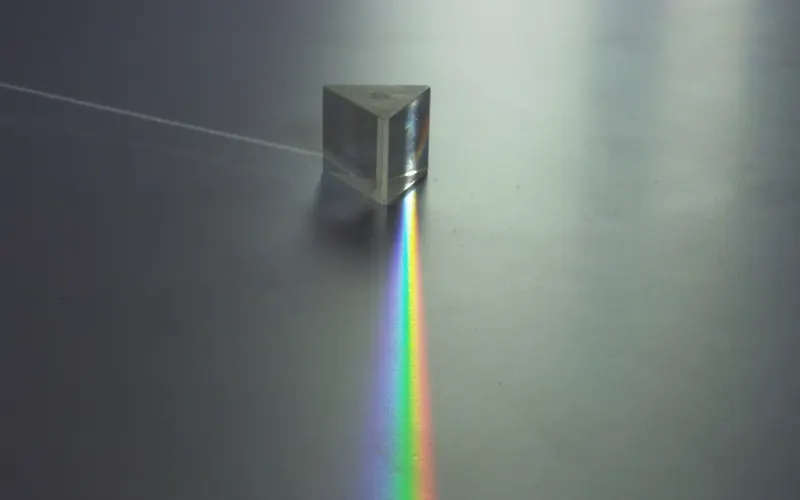
Physics in Everyday Life Quiz: General Science Practice
10 exam-style questions on SI units, motion, heat, sound, light, lenses and household electricity. With a clear explanation for every answer.
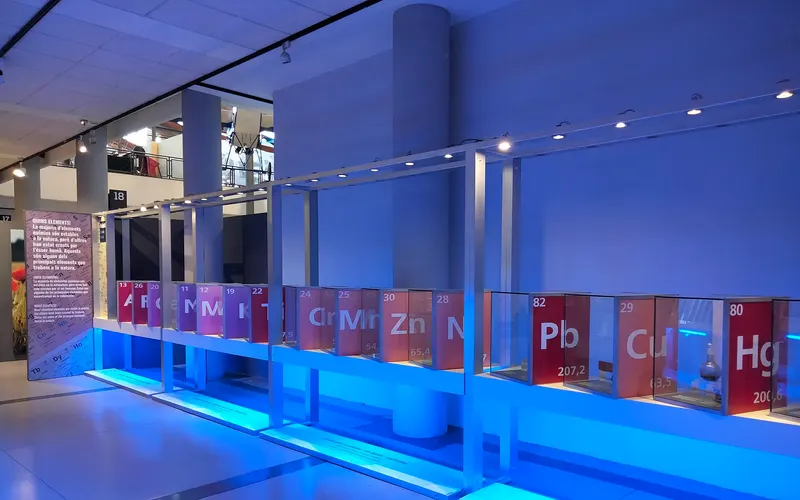
Basic Chemistry Quiz: Acids, Metals & Everyday Chemicals
10 exam-style questions on acids and bases, pH, common chemical names, metals, alloys, corrosion and household fuels. Each answer explained.
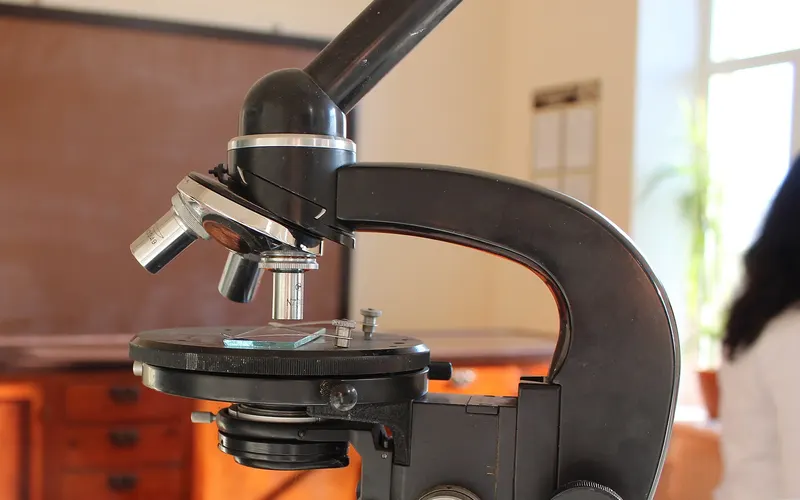
Cell & Plant Biology Quiz: Life Science up to Class 10
10 exam-style questions on cells and organelles, plant tissues, hormones, nitrogen fixation, reproduction and classification. Every answer explained.
Human Body Quiz: Organs, Blood & Glands
10 exam-style questions on human organs, bones, blood groups, hormones, the brain, kidneys and digestion. With an explanation for every answer.