
Revolt of 1857 Quiz: Modern Indian History Practice
10 exam-style questions on the Revolt of 1857. Causes, centres and leaders, British commanders, historians' views and consequences, with explanations.
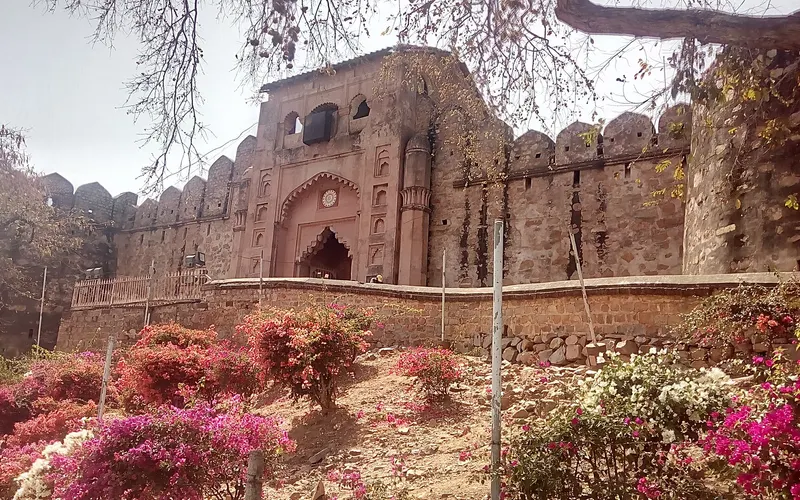
Revolt of 1857 Quiz: Modern Indian History Practice
Tip: use keys 1-4 to answer, Enter for next.
Answers to the starter quiz
Spoilers! These are the Starter quiz’s answers. Easy, Medium, Hard and Mixed rounds show their own answers when you finish.
The Revolt of 1857 broke out at Meerut on:
- 29 March 1857
- 10 May 1857
- 4 June 1857
- 1 November 1858
Answer: 10 May 1857. Sepoys at Meerut rose on 10 May, freed comrades jailed for refusing the cartridges, and marched to Delhi. 29 March was Mangal Pandey's outbreak at Barrackpore.
Mangal Pandey, who attacked his officers at Barrackpore in March 1857, belonged to the:
- 19th Bengal Native Infantry
- 3rd Bengal Light Cavalry
- 34th Bengal Native Infantry
- 11th Bengal Native Infantry
Answer: 34th Bengal Native Infantry. He served in the 34th BNI and was hanged on 8 April 1857. The 19th BNI at Berhampore had refused the cartridges earlier; the 3rd Light Cavalry rose at Meerut.
Who led the revolt at Lucknow?
- Begum Hazrat Mahal
- Rani Avantibai
- Begum Zeenat Mahal
- Rani Lakshmibai
Answer: Begum Hazrat Mahal. Begum Hazrat Mahal, wife of the deposed Nawab Wajid Ali Shah, proclaimed her son Birjis Qadr Nawab. Zeenat Mahal was Bahadur Shah Zafar's wife.
Kunwar Singh, an aged zamindar, led the revolt in:
- Bareilly
- Faizabad
- Kanpur
- Jagdishpur (Bihar)
Answer: Jagdishpur (Bihar). Kunwar Singh of Jagdishpur near Arrah fought the British in Bihar and beyond. Khan Bahadur Khan led at Bareilly and Maulvi Ahmadullah at Faizabad.
Who was the Governor-General of India during the Revolt of 1857?
- Lord Dalhousie
- Lord Canning
- Lord Elgin
- Lord Hardinge
Answer: Lord Canning. Canning took over from Dalhousie in 1856 and became the first Viceroy after the Crown took control in 1858.
Rani Lakshmibai of Jhansi died fighting in June 1858 near:
- Jhansi
- Kalpi
- Gwalior
- Kanpur
Answer: Gwalior. After Jhansi fell she joined Tantia Tope, captured Gwalior and died fighting Sir Hugh Rose's forces there.
Which British officer captured Bahadur Shah Zafar and shot the Mughal princes near Delhi?
- John Nicholson
- William Hodson
- Colin Campbell
- Hugh Rose
Answer: William Hodson. Captain William Hodson took the emperor's surrender at Humayun's Tomb and shot three princes. Nicholson was killed in the assault on Delhi.
Who wrote "The Indian War of Independence of 1857"?
- V. D. Savarkar
- S. N. Sen
- R. C. Majumdar
- S. B. Chaudhuri
Answer: V. D. Savarkar. Savarkar's book (1909) presented the revolt as a planned war of independence. S. N. Sen wrote the official centenary history "Eighteen Fifty-Seven".
After the revolt, Bahadur Shah Zafar was exiled to:
- the Andaman Islands
- Mandalay
- Colombo
- Rangoon
Answer: Rangoon. He was tried in Delhi and exiled to Rangoon in Burma, where he died in 1862 — the end of the Mughal dynasty.
Consider the following statements about the aftermath of 1857: 1. The Government of India Act 1858 transferred power from the Company to the Crown. 2. The Queen's Proclamation was read out by Lord Canning at Allahabad on 1 November 1858. 3. The policy of annexation through the Doctrine of Lapse was given up. Which of the statements given above are correct?
- 1 and 2 only
- 2 and 3 only
- 1, 2 and 3
- 1 and 3 only
Answer: 1, 2 and 3. All three are correct. The Proclamation promised to respect the rights of Indian princes, effectively ending annexations like those under Lapse.
Play next
All history & culture quizzes →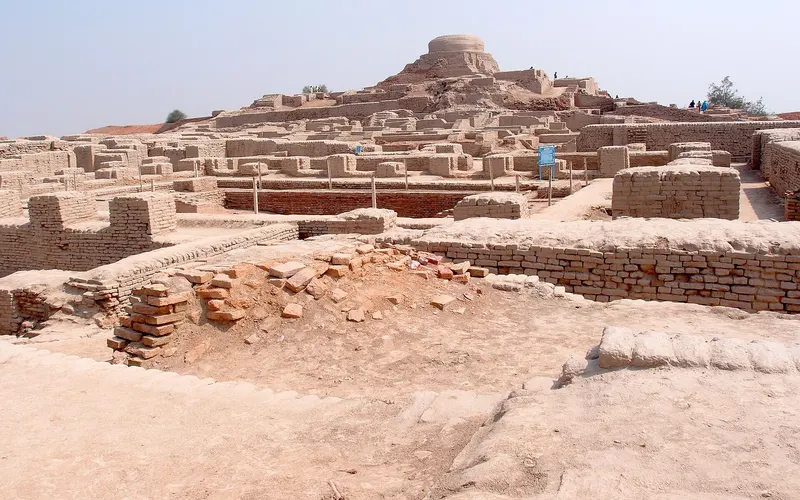
Prehistory & Indus Valley Quiz: Ancient Indian History Practice
10 exam-style questions on the Stone Ages and the Harappan civilisation. Key sites, finds, discoverers and features, with explanations.
Vedic Age Quiz: Ancient Indian History Practice
10 exam-style questions on the Vedas, Upanishads, Rigvedic and later Vedic society, assemblies, gods and rivers, with explanations.
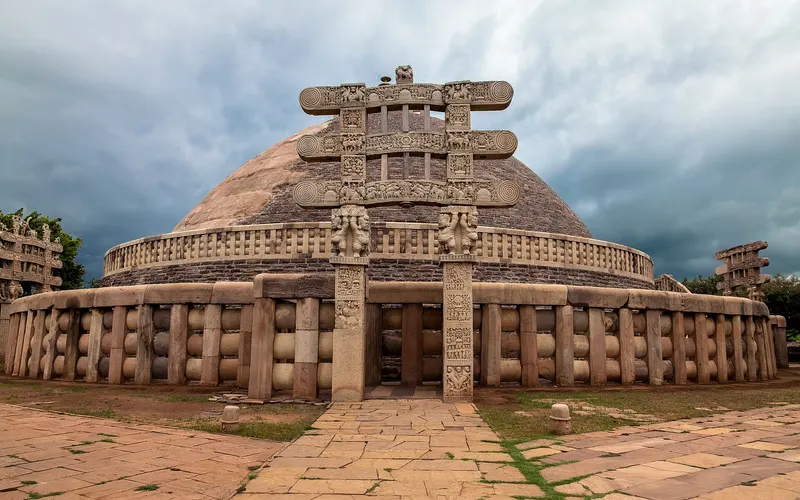
Buddhism & Jainism Quiz: Ancient Indian History Practice
10 exam-style questions on the Buddha and Mahavira, their teachings, councils, sects, texts and sacred places, with explanations.
Mauryan & Post-Mauryan India Quiz: Ancient Indian History Practice
10 exam-style questions on the Mauryas, Ashoka's edicts, the Shungas, Satavahanas, Indo-Greeks, Shakas and Kushanas, with explanations.