
Mughal Empire Quiz: Medieval Indian History Practice
10 exam-style questions on the Mughals and Sher Shah. Battles, Akbar's policies, mansabdari, revenue, buildings and decline, with explanations.
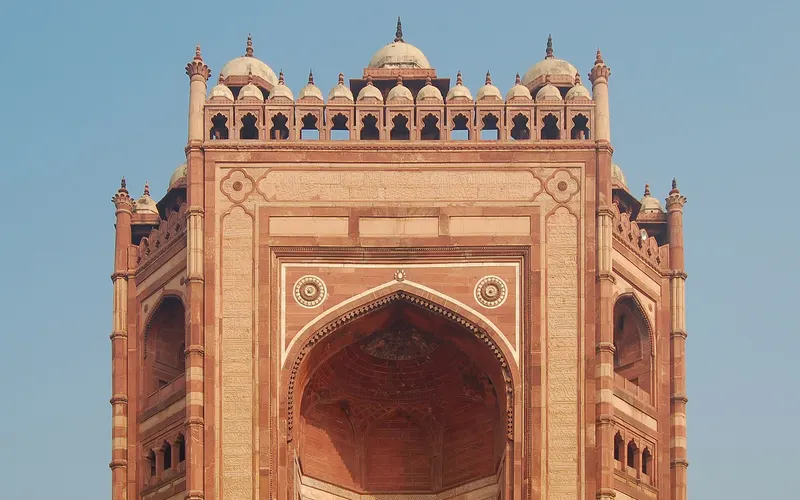
Mughal Empire Quiz: Medieval Indian History Practice
Tip: use keys 1-4 to answer, Enter for next.
Answers to the starter quiz
Spoilers! These are the Starter quiz’s answers. Easy, Medium, Hard and Mixed rounds show their own answers when you finish.
In the First Battle of Panipat (1526), Babur defeated:
- Rana Sanga
- Ibrahim Lodi
- Hemu
- Medini Rai
Answer: Ibrahim Lodi. Babur's field artillery and the tulughma flanking tactic defeated the last Lodi Sultan and founded Mughal rule.
Babur defeated the Rajput confederacy led by Rana Sanga at the Battle of:
- Chanderi
- Ghaghra
- Khanwa
- Chausa
Answer: Khanwa. Khanwa (1527) broke Rajput resistance. Chanderi (1528) was against Medini Rai and Ghaghra (1529) against the Afghans.
Who introduced the silver coin called the "rupiya"?
- Sher Shah Suri
- Akbar
- Islam Shah
- Humayun
Answer: Sher Shah Suri. Sher Shah Suri issued the silver rupiya and copper dam; the Mughals kept his coinage system.
In the Second Battle of Panipat (1556), Akbar's army under Bairam Khan defeated:
- Daud Khan
- Rana Pratap
- Sikandar Sur
- Hemu
Answer: Hemu. Hemu, the Sur general who had taken Delhi, was wounded by an arrow and captured, securing the throne for the young Akbar.
The zabt (dahsala) system of land revenue under Akbar is associated with:
- Birbal
- Man Singh
- Raja Todar Mal
- Abul Fazl
Answer: Raja Todar Mal. Todar Mal measured land and fixed revenue on the average yields and prices of the previous ten years.
Akbar's Ibadat Khana, the "house of worship" for religious debates, was built at:
- Fatehpur Sikri
- Agra Fort
- Lahore
- Delhi
Answer: Fatehpur Sikri. Built in 1575, it first hosted Muslim scholars and was later opened to Hindus, Jains, Zoroastrians and Christians.
The English ambassador Sir Thomas Roe visited the court of:
- Akbar
- Jahangir
- Shah Jahan
- Aurangzeb
Answer: Jahangir. Roe came in 1615 on behalf of James I and secured trading privileges for the English East India Company.
Which Mughal emperor reimposed the jizya in 1679?
- Shah Jahan
- Jahangir
- Bahadur Shah I
- Aurangzeb
Answer: Aurangzeb. Akbar had abolished the jizya in 1564; Aurangzeb brought it back in 1679, angering many Hindu subjects.
In the Mughal mansabdari system, the "zat" rank indicated:
- the number of cavalrymen to be maintained
- the personal rank and salary of the officer
- the revenue assigned as jagir
- the number of war elephants kept
Answer: the personal rank and salary of the officer. Zat fixed status and personal pay; the sawar rank fixed how many horsemen the mansabdar had to maintain.
Which invader took the Peacock Throne from Delhi in 1739?
- Ahmad Shah Abdali
- Timur
- Nadir Shah
- Mahmud of Ghazni
Answer: Nadir Shah. The Persian ruler Nadir Shah defeated Muhammad Shah at Karnal and plundered Delhi, taking the Peacock Throne and the Koh-i-Noor.
Play next
All history & culture quizzes →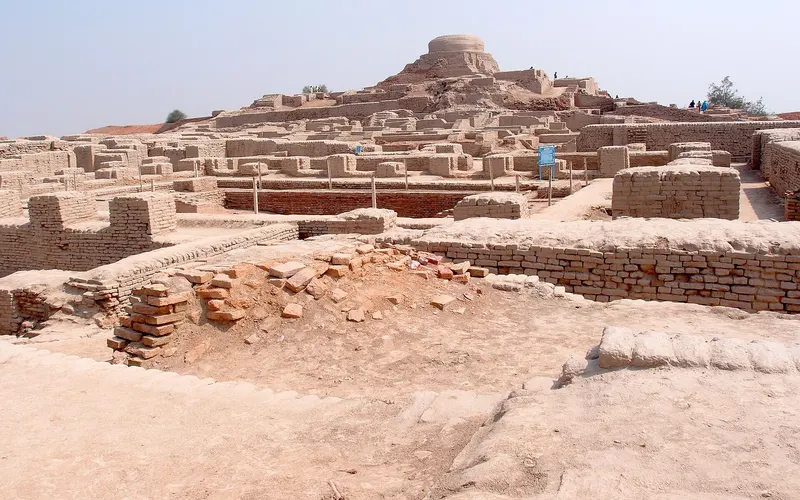
Prehistory & Indus Valley Quiz: Ancient Indian History Practice
10 exam-style questions on the Stone Ages and the Harappan civilisation. Key sites, finds, discoverers and features, with explanations.
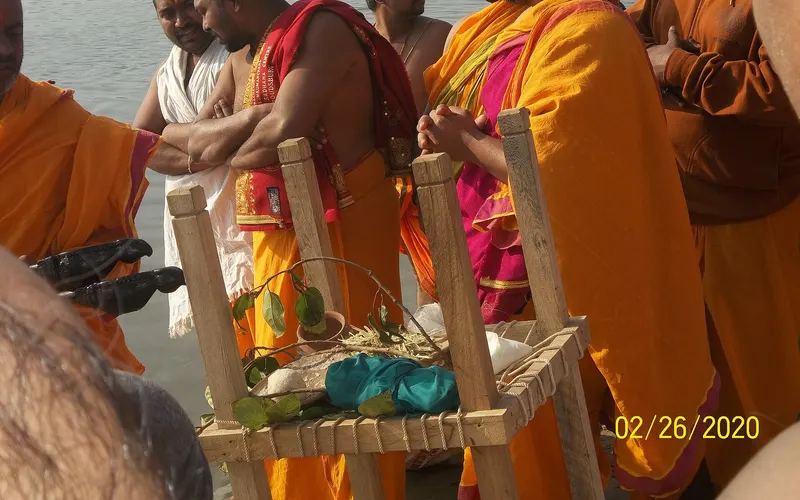
Vedic Age Quiz: Ancient Indian History Practice
10 exam-style questions on the Vedas, Upanishads, Rigvedic and later Vedic society, assemblies, gods and rivers, with explanations.
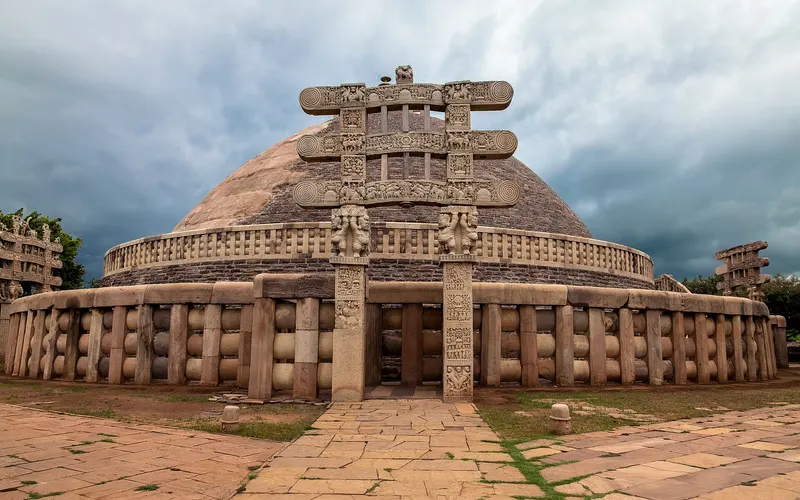
Buddhism & Jainism Quiz: Ancient Indian History Practice
10 exam-style questions on the Buddha and Mahavira, their teachings, councils, sects, texts and sacred places, with explanations.
Mauryan & Post-Mauryan India Quiz: Ancient Indian History Practice
10 exam-style questions on the Mauryas, Ashoka's edicts, the Shungas, Satavahanas, Indo-Greeks, Shakas and Kushanas, with explanations.