
Monuments & Heritage Sites of India Quiz: Art & Culture Practice
10 exam-style questions on famous Indian monuments, who built them, where they are, and India's UNESCO World Heritage cultural sites, with explanations.
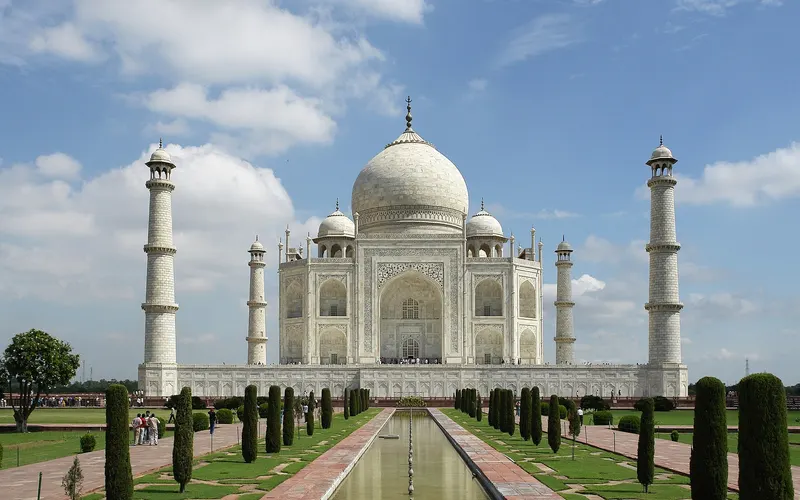
Monuments & Heritage Sites of India Quiz: Art & Culture Practice
Tip: use keys 1-4 to answer, Enter for next.
Answers to the starter quiz
Spoilers! These are the Starter quiz’s answers. Easy, Medium, Hard and Mixed rounds show their own answers when you finish.
The Sun Temple at Konark was built by:
- Anantavarman Chodaganga
- Narasimhadeva I
- Rajaraja Chola I
- Kharavela
Answer: Narasimhadeva I. Narasimhadeva I of the Eastern Ganga dynasty built it in the 13th century as a giant stone chariot of the Sun god. Anantavarman Chodaganga built the Jagannath temple at Puri.
Rani-ki-Vav, a stepwell inscribed as a World Heritage Site in 2014, is located at:
- Patan, Gujarat
- Modhera, Gujarat
- Abhaneri, Rajasthan
- Bundi, Rajasthan
Answer: Patan, Gujarat. Queen Udayamati built it in the 11th century in memory of Bhima I of the Solanki (Chaulukya) dynasty. Its walls carry hundreds of sculptures.
The temples of Khajuraho were built mainly by the:
- Paramaras
- Solankis
- Chandelas
- Kalachuris
Answer: Chandelas. The Chandela Rajputs built them between roughly the 10th and 12th centuries. The Kandariya Mahadeva is the largest.
The Charminar in Hyderabad was built in 1591 by:
- Ibrahim Adil Shah II
- Muhammad Quli Qutb Shah
- Aurangzeb
- Mahmud Gawan
Answer: Muhammad Quli Qutb Shah. Muhammad Quli Qutb Shah of Golconda built it when he founded Hyderabad as his new capital.
The Gol Gumbaz at Bijapur, famous for its whispering gallery, is the tomb of:
- Yusuf Adil Shah
- Ibrahim Adil Shah I
- Ali Adil Shah
- Muhammad Adil Shah
Answer: Muhammad Adil Shah. The mausoleum of Muhammad Adil Shah, completed in the mid-17th century, has one of the largest domes of its era.
Which of these was among India's first World Heritage Sites, inscribed in 1983?
- Ajanta Caves
- Hampi
- Khajuraho
- Sanchi
Answer: Ajanta Caves. Ajanta, Ellora, Agra Fort and the Taj Mahal were inscribed in 1983. Hampi and Khajuraho followed in 1986, Sanchi in 1989.
The rock-cut caves on Elephanta island near Mumbai are dedicated mainly to:
- Vishnu
- Buddha
- Shiva
- Mahavira
Answer: Shiva. Their best-known sculpture is the three-headed Shiva (Maheshamurti). The caves are a World Heritage Site.
The Jantar Mantar astronomical observatory in Jaipur was built by:
- Man Singh I
- Sawai Pratap Singh
- Sawai Madho Singh I
- Sawai Jai Singh II
Answer: Sawai Jai Singh II. Sawai Jai Singh II built five observatories, at Jaipur, Delhi, Ujjain, Varanasi and Mathura. The Jaipur one is a World Heritage Site.
The Moidams of Charaideo, inscribed as a World Heritage Site in 2024, are mound-burials of the:
- Ahom dynasty
- Koch dynasty
- Manikya dynasty
- Kachari kingdom
Answer: Ahom dynasty. The Ahom kings and queens of Assam were buried in vaults under earthen mounds. It is the first cultural World Heritage Site in the North-East.
The Vijay Stambha (Tower of Victory) at Chittorgarh was built by:
- Rana Sanga
- Rana Kumbha
- Maharana Pratap
- Rana Hammir
Answer: Rana Kumbha. Rana Kumbha of Mewar raised it in the 15th century to mark his victory over Mahmud Khalji of Malwa.
Play next
All history & culture quizzes →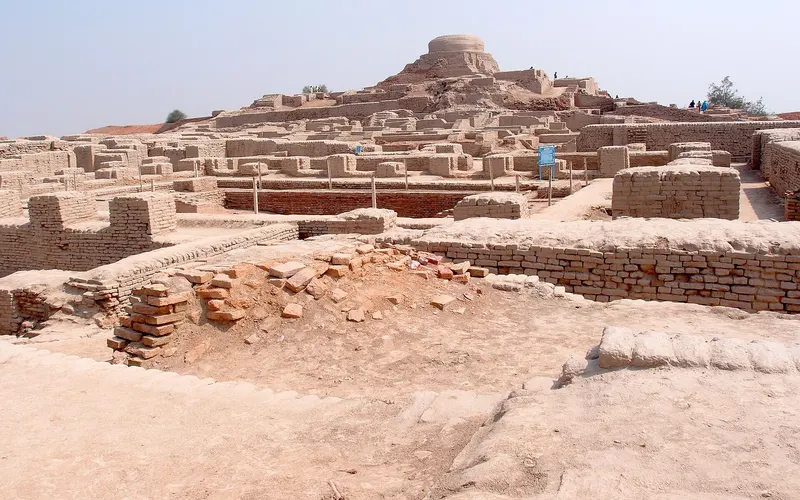
Prehistory & Indus Valley Quiz: Ancient Indian History Practice
10 exam-style questions on the Stone Ages and the Harappan civilisation. Key sites, finds, discoverers and features, with explanations.
Vedic Age Quiz: Ancient Indian History Practice
10 exam-style questions on the Vedas, Upanishads, Rigvedic and later Vedic society, assemblies, gods and rivers, with explanations.
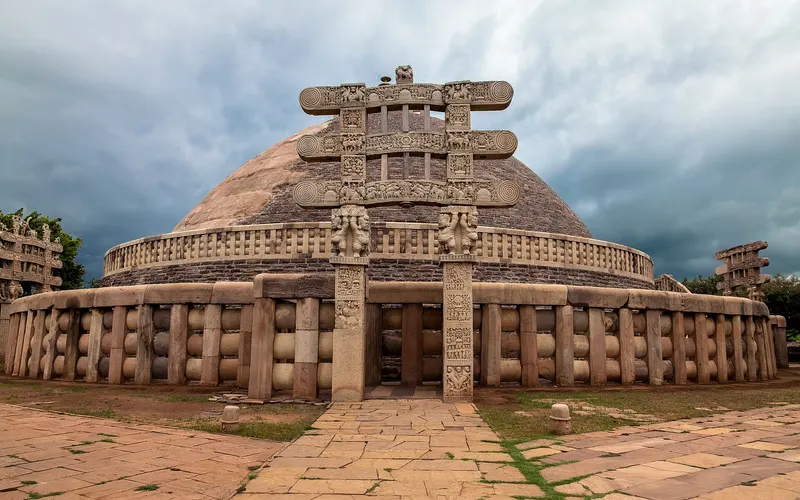
Buddhism & Jainism Quiz: Ancient Indian History Practice
10 exam-style questions on the Buddha and Mahavira, their teachings, councils, sects, texts and sacred places, with explanations.
Mauryan & Post-Mauryan India Quiz: Ancient Indian History Practice
10 exam-style questions on the Mauryas, Ashoka's edicts, the Shungas, Satavahanas, Indo-Greeks, Shakas and Kushanas, with explanations.