
Europeans in India & British Expansion Quiz: Modern Indian History Practice
10 exam-style questions on the Portuguese, Dutch, English and French in India, Plassey, Buxar, the Mysore and Maratha wars and British land policy.

Europeans in India & British Expansion Quiz: Modern Indian History Practice
Tip: use keys 1-4 to answer, Enter for next.
Answers to the starter quiz
Spoilers! These are the Starter quiz’s answers. Easy, Medium, Hard and Mixed rounds show their own answers when you finish.
Vasco da Gama reached Calicut on the Malabar coast in the year:
- 1492
- 1498
- 1510
- 1600
Answer: 1498. He landed near Calicut in May 1498 and was received by the Zamorin, opening the sea route from Europe to India.
Afonso de Albuquerque captured Goa in 1510 from:
- the Vijayanagara empire
- the Zamorin of Calicut
- the Bijapur Sultanate
- the Ahmadnagar Sultanate
Answer: the Bijapur Sultanate. Goa belonged to the Adil Shahi Sultan of Bijapur. It became the centre of Portuguese power in the East.
In the Battle of Colachel (1741), Marthanda Varma of Travancore defeated the:
- Portuguese
- Dutch
- French
- English
Answer: Dutch. It was one of the first defeats of a European power by an Indian state, and ended Dutch ambitions in Kerala.
The English East India Company set up its first permanent factory in India, with Mughal permission, at:
- Surat
- Masulipatnam
- Hooghly
- Madras
Answer: Surat. After Captain Best defeated the Portuguese at Swally (1612), Jahangir allowed the English a factory at Surat in 1613.
The Battle of Wandiwash (1760) settled the Anglo-French rivalry in India. The British commander was:
- Robert Clive
- Hector Munro
- Stringer Lawrence
- Eyre Coote
Answer: Eyre Coote. Sir Eyre Coote defeated the French under Count de Lally in the Third Carnatic War; Pondicherry fell in 1761.
The Treaty of Allahabad (1765), which gave the Company the diwani of Bengal, Bihar and Orissa, followed which battle?
- Plassey
- Wandiwash
- Buxar
- Bedara
Answer: Buxar. At Buxar (1764) Hector Munro defeated Mir Qasim, Shuja-ud-Daulah and Shah Alam II. Shah Alam then granted the diwani to Clive.
Which state was the first to accept Lord Wellesley's Subsidiary Alliance?
- Hyderabad
- Mysore
- Awadh
- Travancore
Answer: Hyderabad. The Nizam of Hyderabad accepted it in 1798. Allied states kept British troops at their own cost and gave up an independent foreign policy.
Tipu Sultan was killed defending Srirangapatna in 1799 during the Governor-Generalship of:
- Lord Cornwallis
- Warren Hastings
- Sir John Shore
- Lord Wellesley
Answer: Lord Wellesley. The Fourth Anglo-Mysore War was fought under Lord Wellesley. Cornwallis had fought the Third (1790–92).
The Mahalwari system of land revenue is associated with:
- Thomas Munro
- Holt Mackenzie
- Lord Cornwallis
- John Shore
Answer: Holt Mackenzie. Holt Mackenzie proposed it in 1822 for the North-Western Provinces; revenue was settled with the village (mahal) as a whole.
Which was the first state annexed under Lord Dalhousie's Doctrine of Lapse?
- Jhansi
- Nagpur
- Satara
- Awadh
Answer: Satara. Satara was taken in 1848, followed by Jaitpur, Sambalpur, Jhansi and Nagpur. Awadh (1856) was annexed for alleged misrule, not under Lapse.
Play next
All history & culture quizzes →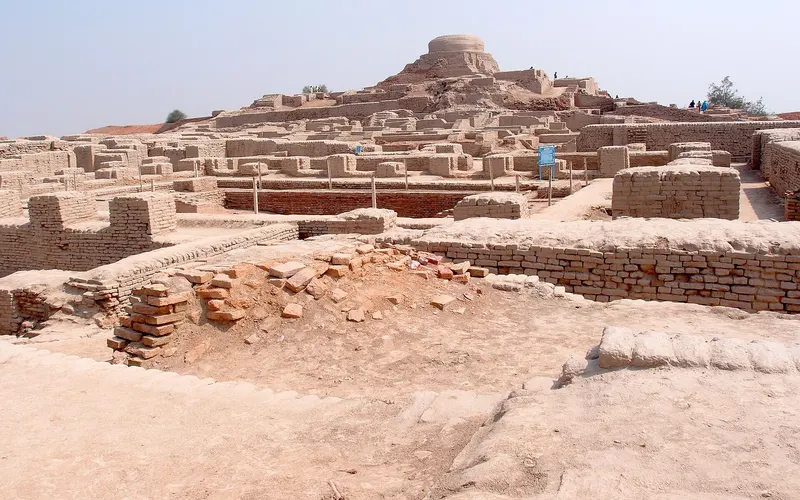
Prehistory & Indus Valley Quiz: Ancient Indian History Practice
10 exam-style questions on the Stone Ages and the Harappan civilisation. Key sites, finds, discoverers and features, with explanations.
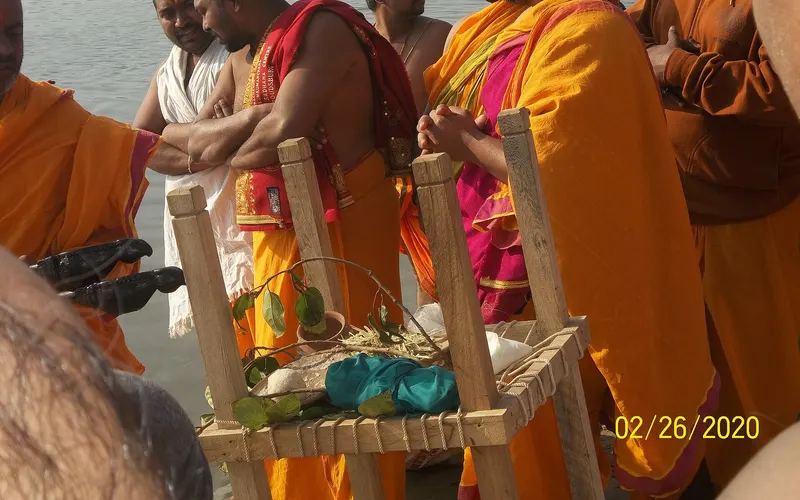
Vedic Age Quiz: Ancient Indian History Practice
10 exam-style questions on the Vedas, Upanishads, Rigvedic and later Vedic society, assemblies, gods and rivers, with explanations.
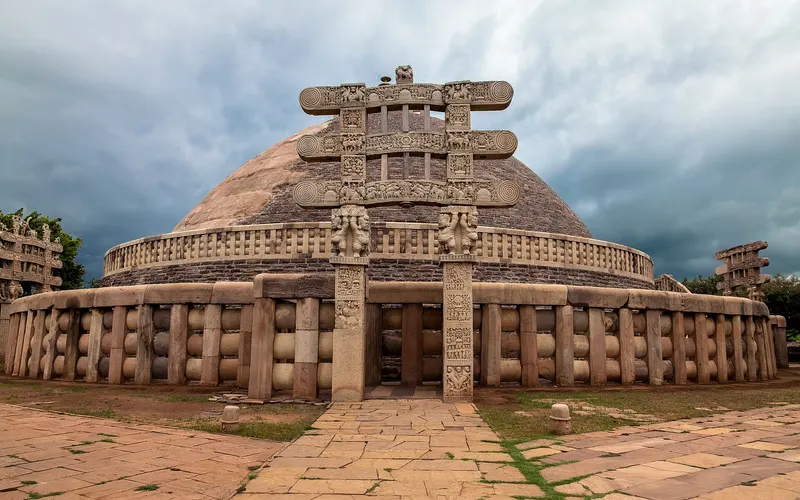
Buddhism & Jainism Quiz: Ancient Indian History Practice
10 exam-style questions on the Buddha and Mahavira, their teachings, councils, sects, texts and sacred places, with explanations.
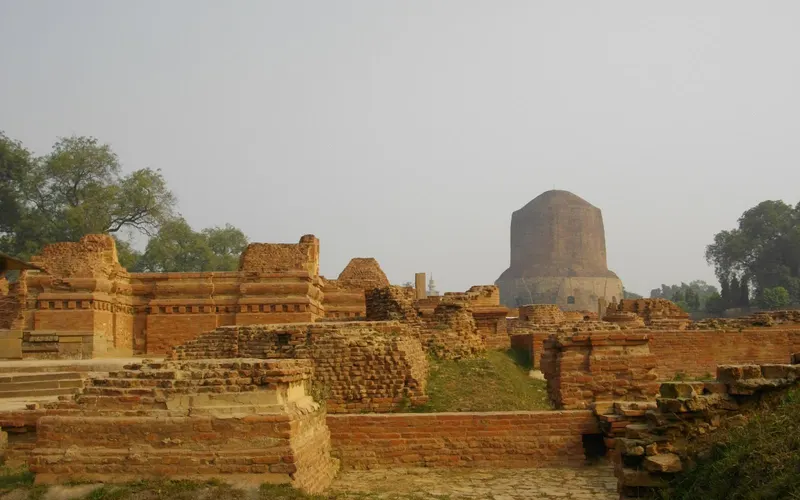
Mauryan & Post-Mauryan India Quiz: Ancient Indian History Practice
10 exam-style questions on the Mauryas, Ashoka's edicts, the Shungas, Satavahanas, Indo-Greeks, Shakas and Kushanas, with explanations.