
Bhakti & Sufi Movements Quiz: Medieval Indian History Practice
10 exam-style questions on the Alvars and Nayanars, Bhakti philosophers and saints, and the Sufi silsilas of India, with explanations.
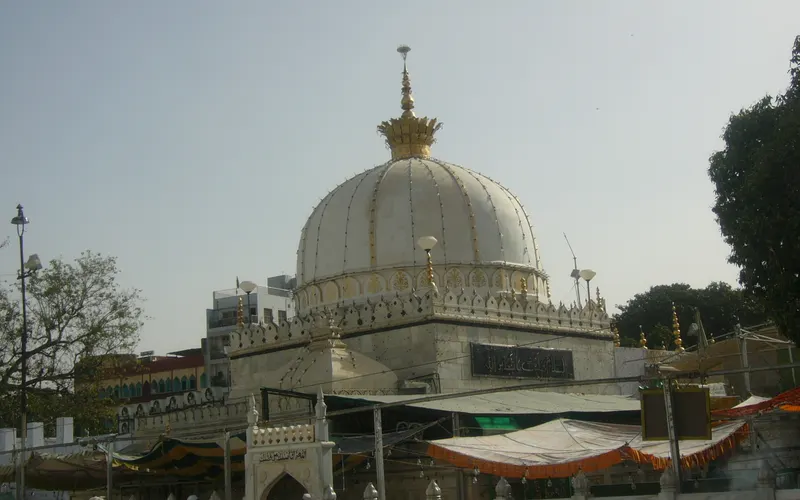
Bhakti & Sufi Movements Quiz: Medieval Indian History Practice
Tip: use keys 1-4 to answer, Enter for next.
Answers to the starter quiz
Spoilers! These are the Starter quiz’s answers. Easy, Medium, Hard and Mixed rounds show their own answers when you finish.
The Nayanars of the Tamil region were devotees of:
- Vishnu
- Shiva
- Murugan
- Shakti
Answer: Shiva. The 63 Nayanars were Shaiva saints; their hymns are collected in the Tevaram. The Alvars were devotees of Vishnu.
The philosophy of Vishishtadvaita (qualified non-dualism) was propounded by:
- Shankaracharya
- Madhvacharya
- Ramanuja
- Nimbarka
Answer: Ramanuja. Ramanuja taught that the soul is distinct from God yet part of Him, and that devotion is the path to salvation.
Basavanna is associated with which movement?
- Virashaiva (Lingayat) movement
- Varkari sampradaya
- Gaudiya Vaishnavism
- Ekasarana dharma
Answer: Virashaiva (Lingayat) movement. Basavanna, a minister in 12th-century Karnataka, rejected caste and ritual and preached devotion to Shiva through vachanas in Kannada.
The Varkari tradition of Maharashtra centres on the worship of Vitthala at:
- Nashik
- Dwarka
- Udupi
- Pandharpur
Answer: Pandharpur. Varkaris walk to Pandharpur every year. Jnaneshwar, Namdev, Eknath and Tukaram belong to this tradition.
Sankaradeva propagated the Ekasarana dharma in:
- Bengal
- Odisha
- Assam
- Manipur
Answer: Assam. Sankaradeva taught devotion to Krishna in Assam through namghars (prayer halls) and sattras (monasteries), and created the dance that became Sattriya.
The dargah of Khwaja Moinuddin Chishti is located at:
- Ajmer
- Delhi
- Fatehpur Sikri
- Gulbarga
Answer: Ajmer. Moinuddin Chishti settled at Ajmer in the late 12th century and established the Chishti order in India.
Which Sufi order was established in Multan by Shaikh Bahauddin Zakariya?
- Chishti
- Suhrawardi
- Naqshbandi
- Qadiri
Answer: Suhrawardi. Unlike the Chishtis, the Suhrawardis accepted state grants and maintained ties with the rulers.
The verses of which Sufi saint are included in the Guru Granth Sahib?
- Nizamuddin Auliya
- Salim Chishti
- Gesu Daraz
- Baba Farid
Answer: Baba Farid. Shaikh Fariduddin Ganj-i-Shakar (Baba Farid) of Pakpattan wrote in Punjabi; his verses were included by Guru Arjan.
Tulsidas composed the Ramcharitmanas in which language?
- Braj
- Awadhi
- Maithili
- Bhojpuri
Answer: Awadhi. The Ramcharitmanas is in Awadhi. Surdas, by contrast, wrote the Sursagar in Braj.
Consider the following statements about Kabir: 1. His verses are compiled in the Bijak. 2. He worshipped a formless (nirguna) God. 3. He composed his verses in Sanskrit. Which of the statements given above are correct?
- 1 only
- 2 and 3 only
- 1, 2 and 3
- 1 and 2 only
Answer: 1 and 2 only. Kabir, a weaver of Banaras, wrote in a mixed spoken Hindi, not Sanskrit, and attacked rituals of both Hindus and Muslims.
Play next
All history & culture quizzes →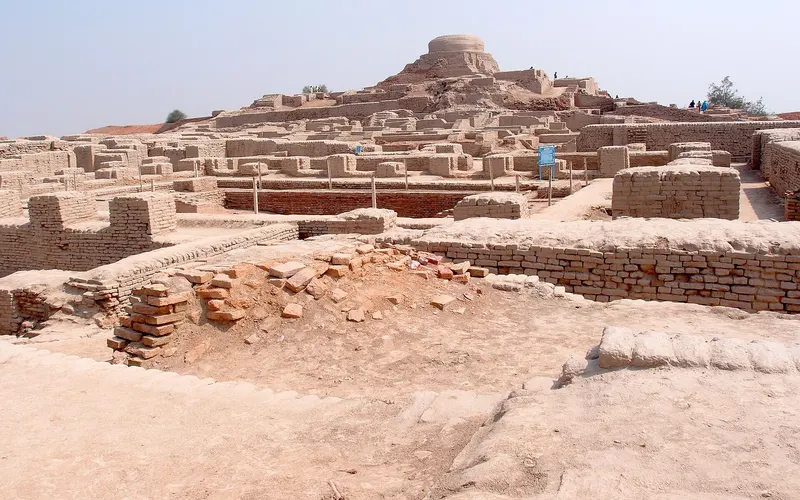
Prehistory & Indus Valley Quiz: Ancient Indian History Practice
10 exam-style questions on the Stone Ages and the Harappan civilisation. Key sites, finds, discoverers and features, with explanations.
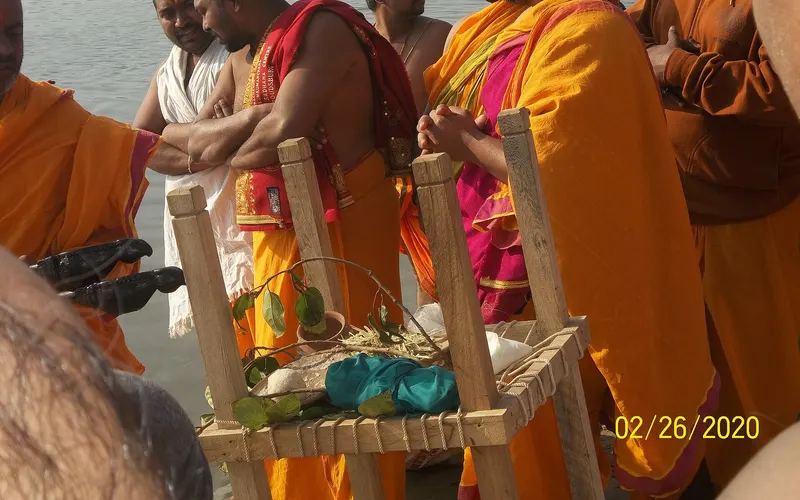
Vedic Age Quiz: Ancient Indian History Practice
10 exam-style questions on the Vedas, Upanishads, Rigvedic and later Vedic society, assemblies, gods and rivers, with explanations.
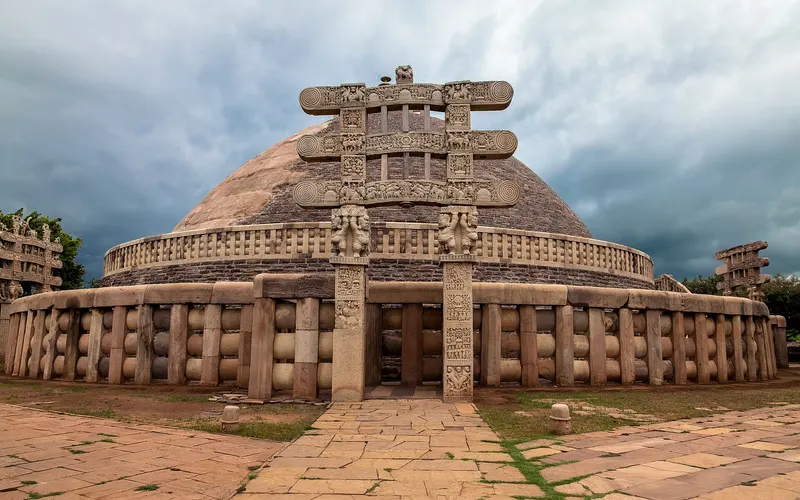
Buddhism & Jainism Quiz: Ancient Indian History Practice
10 exam-style questions on the Buddha and Mahavira, their teachings, councils, sects, texts and sacred places, with explanations.
Mauryan & Post-Mauryan India Quiz: Ancient Indian History Practice
10 exam-style questions on the Mauryas, Ashoka's edicts, the Shungas, Satavahanas, Indo-Greeks, Shakas and Kushanas, with explanations.