
Panchayati Raj & Urban Local Bodies Quiz: Indian Polity Practice
10 exam-style questions on Panchayati Raj and municipalities: committees, 73rd and 74th Amendments, Gram Sabha, reservation, SEC and exemptions.
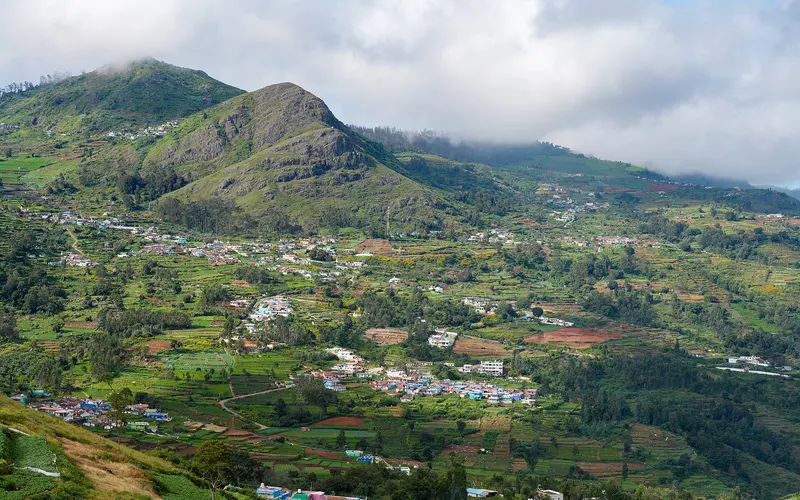
Panchayati Raj & Urban Local Bodies Quiz: Indian Polity Practice
Tip: use keys 1-4 to answer, Enter for next.
Answers to the starter quiz
Spoilers! These are the Starter quiz’s answers. Easy, Medium, Hard and Mixed rounds show their own answers when you finish.
The Balwant Rai Mehta Committee (1957) recommended:
- a two-tier system of rural local government
- a three-tier system of rural local government
- constitutional status for municipalities
- abolition of the Gram Sabha in larger villages
Answer: a three-tier system of rural local government. It proposed gram panchayat, panchayat samiti and zila parishad. The Ashok Mehta Committee (1977) later suggested two tiers.
Which state was the first to introduce Panchayati Raj, inaugurated at Nagaur on 2 October 1959?
- Andhra Pradesh
- Gujarat
- Madhya Pradesh
- Rajasthan
Answer: Rajasthan. Nehru inaugurated it at Nagaur in Rajasthan. Andhra Pradesh adopted the system later the same year.
The 73rd Amendment Act, 1992 added which Part and Schedule to the Constitution?
- Part IXA and the Twelfth Schedule
- Part IX and the Twelfth Schedule
- Part IX and the Eleventh Schedule
- Part IXA and the Eleventh Schedule
Answer: Part IX and the Eleventh Schedule. Panchayats are in Part IX with 29 subjects in the Eleventh Schedule. Municipalities (74th) are in Part IXA with 18 subjects in the Twelfth.
The intermediate (block) level of panchayats need not be constituted in a state whose population does not exceed:
- 20 lakh
- 10 lakh
- 25 lakh
- 50 lakh
Answer: 20 lakh. Article 243B makes the middle tier optional for small states with a population up to 20 lakh.
What is the minimum age to contest panchayat elections under the 73rd Amendment?
- 21 years
- 18 years
- 25 years
- 30 years
Answer: 21 years. Article 243F sets 21 years, lower than the 25 years needed for a Legislative Assembly seat.
Elections to panchayats and municipalities are conducted by:
- the Election Commission of India
- the District Collector
- the State Election Commission
- the State Finance Commission
Answer: the State Election Commission. Articles 243K and 243ZA give this to the State Election Commission, appointed by the Governor and removable only like a High Court judge.
Which of the following is a voluntary provision of the 73rd Amendment, left to the states?
- Reservation of at least one-third of seats for women
- Constitution of a State Finance Commission every five years
- Direct election to all seats at every level
- Reservation of seats for backward classes
Answer: Reservation of seats for backward classes. States may decide on backward class reservation. Women's reservation, the State Finance Commission and direct elections are compulsory.
Which of the following are exempted from Part IX of the Constitution on panchayats?
- The states of Kerala, Goa and Sikkim
- The states of Nagaland, Meghalaya and Mizoram
- All Union Territories
- All states with a population below 20 lakh
Answer: The states of Nagaland, Meghalaya and Mizoram. Article 243M exempts these three states (and certain tribal and hill areas). Small states only get the option of skipping the middle tier.
Under the 74th Amendment, a Nagar Panchayat is constituted for:
- a larger urban area
- a smaller urban area
- an area in transition from a rural area to an urban area
- a military cantonment area
Answer: an area in transition from a rural area to an urban area. Article 243Q: Nagar Panchayat for transitional areas, Municipal Council for smaller urban areas, Municipal Corporation for larger ones.
Ward committees must be constituted in every municipality with a population of:
- one lakh or more
- ten lakh or more
- five lakh or more
- three lakh or more
Answer: three lakh or more. Article 243S sets the three lakh threshold. Ten lakh is the threshold for a metropolitan area and its Metropolitan Planning Committee.
Play next
All polity quizzes →
Fundamental Rights Quiz: Indian Polity Practice
10 exam-style questions on Fundamental Rights (Articles 12–35): writs, amendments, emergency rules and who the rights protect. With an explanation for every answer.
Constitutional Development 1773–1947 Quiz: Indian Polity Practice
10 exam-style questions on British-era constitutional Acts, from the Regulating Act 1773 to the Indian Independence Act 1947, with explanations.
Making of the Constitution & Preamble Quiz: Indian Polity Practice
10 exam-style questions on the Constituent Assembly, the Preamble, borrowed features and Schedules of the Constitution of India, with explanations.
Directive Principles & Fundamental Duties Quiz: Indian Polity Practice
10 exam-style questions on Directive Principles (Articles 36–51) and Fundamental Duties (Article 51A): articles, amendments and key cases.