
Emergency Provisions & Amendment Quiz: Indian Polity Practice
10 exam-style questions on National Emergency, President's Rule, Financial Emergency, Article 368 and landmark amendment cases, with explanations.
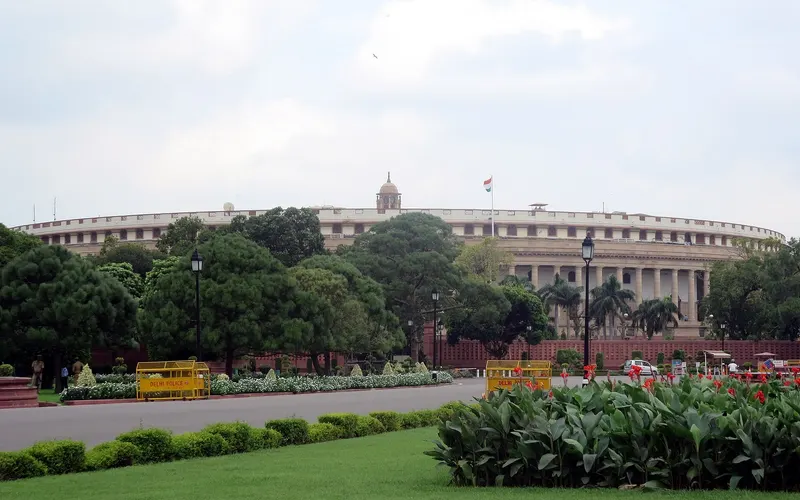
Emergency Provisions & Amendment Quiz: Indian Polity Practice
Tip: use keys 1-4 to answer, Enter for next.
Answers to the starter quiz
Spoilers! These are the Starter quiz’s answers. Easy, Medium, Hard and Mixed rounds show their own answers when you finish.
After the 44th Amendment Act, 1978, a National Emergency under Article 352 can be proclaimed on the grounds of:
- war, external aggression or internal disturbance
- threat to the financial stability of India
- breakdown of constitutional machinery in a state
- war, external aggression or armed rebellion
Answer: war, external aggression or armed rebellion. The 44th Amendment replaced the vague "internal disturbance" with "armed rebellion". Financial threats fall under Article 360 and state breakdown under Article 356.
A proclamation of National Emergency must be approved by both Houses of Parliament within:
- two months
- one month
- six months
- fourteen days
Answer: one month. The 44th Amendment cut the period from two months to one month and required a special majority. Once approved, it lasts six months at a time.
The President can proclaim a National Emergency only on the written recommendation of:
- the Union Cabinet
- the Prime Minister
- the Chief Justice of India
- the National Security Council
Answer: the Union Cabinet. After 1975, the 44th Amendment required a written decision of the Cabinet so that the PM alone could not advise an emergency.
The Lok Sabha can bring a National Emergency to an end by:
- passing a resolution by special majority
- a two-thirds vote in both Houses sitting jointly
- passing a resolution of disapproval by simple majority
- requesting the Supreme Court to revoke it
Answer: passing a resolution of disapproval by simple majority. If the Lok Sabha disapproves by simple majority, the President must revoke the emergency. One-tenth of its members can demand a special sitting for this.
President's Rule in a state under Article 356 can continue for a maximum of:
- one year
- six months
- three years
- five years
Answer: three years. It is extended six months at a time up to three years. Going beyond one year needs a National Emergency and an Election Commission certificate.
In which case did the Supreme Court hold that a proclamation under Article 356 is subject to judicial review and that a government's majority must be tested on the floor of the House?
- S. R. Bommai case, 1994
- Kesavananda Bharati case, 1973
- Minerva Mills case, 1980
- Golak Nath case, 1967
Answer: S. R. Bommai case, 1994. Bommai curbed misuse of Article 356 and also declared federalism and secularism to be basic features.
Which statement about Financial Emergency under Article 360 is correct?
- It was proclaimed during the 1991 balance of payments crisis
- It has never been proclaimed in India
- It must be approved by Parliament within one month
- It lapses automatically after six months
Answer: It has never been proclaimed in India. No Financial Emergency has ever been declared. It needs approval within two months and then continues until revoked.
Which of the following is true of a Constitution Amendment Bill?
- It can be introduced only in the Lok Sabha
- It needs the prior recommendation of the President
- The President can return it for reconsideration
- A joint sitting cannot be held if the two Houses disagree on it
Answer: A joint sitting cannot be held if the two Houses disagree on it. Each House must pass it separately by special majority, with no joint sitting. It can start in either House without the President's recommendation, and assent is obligatory.
Which of the following amendments requires ratification by at least half of the state legislatures?
- Changing the manner of election of the President
- Altering the boundaries of an existing state
- Amending a Fundamental Right
- Changing the salaries of Members of Parliament
Answer: Changing the manner of election of the President. Election of the President is a federal provision. Boundaries and MPs' salaries change by simple majority, and Fundamental Rights by special majority without ratification.
Which case held that Parliament cannot amend Fundamental Rights, a position later reversed?
- Shankari Prasad case, 1951
- Golak Nath case, 1967
- Kesavananda Bharati case, 1973
- Indira Gandhi v Raj Narain, 1975
Answer: Golak Nath case, 1967. Golak Nath treated an amendment as "law" under Article 13. The 24th Amendment and the Kesavananda Bharati judgment reversed it, subject to the basic structure.
Play next
All polity quizzes →
Fundamental Rights Quiz: Indian Polity Practice
10 exam-style questions on Fundamental Rights (Articles 12–35): writs, amendments, emergency rules and who the rights protect. With an explanation for every answer.
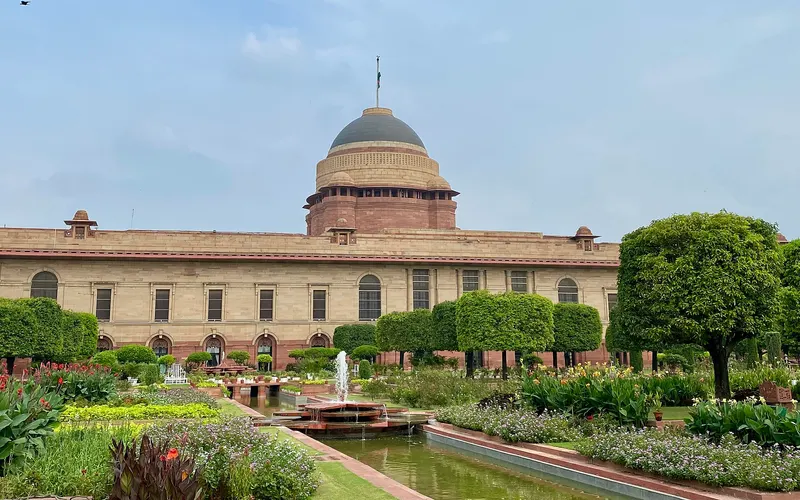
Constitutional Development 1773–1947 Quiz: Indian Polity Practice
10 exam-style questions on British-era constitutional Acts, from the Regulating Act 1773 to the Indian Independence Act 1947, with explanations.
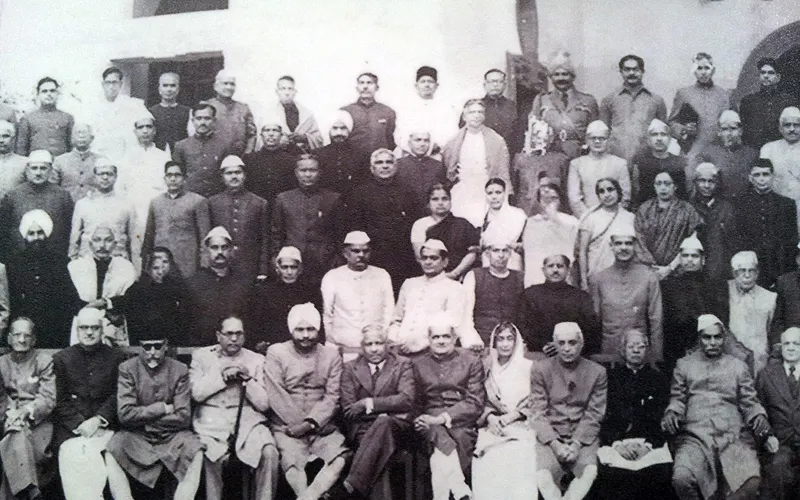
Making of the Constitution & Preamble Quiz: Indian Polity Practice
10 exam-style questions on the Constituent Assembly, the Preamble, borrowed features and Schedules of the Constitution of India, with explanations.
Directive Principles & Fundamental Duties Quiz: Indian Polity Practice
10 exam-style questions on Directive Principles (Articles 36–51) and Fundamental Duties (Article 51A): articles, amendments and key cases.